Nestlé Takes Action: 24-Hour Effort to Prevent Formula Shortages Following Recall
Nestlé SA is ramping up production of infant formula to avert a shortage following a contamination crisis that led the Swiss foodmaker, along with competitors Danone SA and Groupe Lactalis, to recall hundreds of batches of their products.
To address the urgent need, five Nestlé factories located in France, Spain, Germany, Switzerland, and the Netherlands are now operating around the clock. This initiative aims to boost the supply of infant formula, particularly for babies under one year old. A recent filing revealed that Nestlé sought permission from Swiss authorities to conduct night and holiday work at its Konolfingen plant on January 6, just a day after the global recall commenced.
In response to the increased demand, German manufacturer HiPP and Swiss firm Holle—both unaffected by the recall—have also ramped up their production efforts.
The infant formula crisis has now extended into its third month, with products from at least five companies recalled across more than 60 countries. The situation escalated when Nestlé detected bacteria capable of producing cereulide, a toxin that can induce sudden nausea and vomiting, at one of its factories. This discovery triggered the largest recall in the industry’s history.
While only a few countries have definitively linked illnesses in infants to the contaminated formula, publicly traded formula producers have faced significant backlash from investors whenever investigations are announced.
Probes
Recent reports indicate that French authorities are investigating whether a third infant death in the country is connected to Nestlé’s formula. This news caused shares of both Nestlé and Danone to decline once again on Wednesday. However, Danone’s stock rebounded on Thursday after Chinese authorities reported no poisoning cases linked to formula in their country, a crucial market for the company, according to Barclays.
On Friday, Nestlé’s shares dipped slightly in early trading in Zurich, while Danone’s remained relatively stable. China’s market regulator has also mandated that formula manufacturers test for cereulide, a move that could help restore investor confidence, especially given the critical role of Cabio Biotech Wuhan Co., which supplies ARA oil to both Danone and Nestlé. It has been confirmed that Cabio is the source of the cereulide contamination.
In contrast to the U.S. situation in 2022, where a temporary shutdown of an Abbott Laboratories factory led to empty shelves and panic among parents, the production boost in Europe, along with a more robust supply chain, is expected to prevent similar disruptions. However, even minor supply issues can have severe consequences, as many parents are hesitant to switch brands, especially when it comes to a product with no viable alternatives.
Infants under one year old rely solely on breast milk or formula for their nutritional needs. Pediatricians caution that cow’s milk, plant-based drinks, or homemade alternatives can pose serious health risks, making formula shortages particularly alarming for mothers unable to breastfeed.
Dominant Companies
According to Bloomberg Intelligence analysts Duncan Fox and Diana Gomes, “Global giants, or large local companies, dominate the infant milk market in every region.” They note that Nestlé, Danone, and Reckitt Benckiser Group’s Mead Johnson account for 35% of the global market. This concentration may complicate brand-switching for parents, particularly if a company is slow to recall potentially hazardous products, especially when babies are thriving on their current brand.
Despite the challenges, some producers are increasing their output. Although Holle does not disclose specific production figures, spokesperson Karin Henke stated that the company is responding to the current market situation by maximizing production within the limits of available raw materials.
Other companies, including Danone and Groupe Lactalis, as well as British firm Nannycare and Dutch company FrieslandCampina, have reported no signs of shortages and are maintaining their current production levels. German producer DMK and Swiss manufacturer Hochdorf, which was affected by the cereulide contamination recalls, are also keeping their production steady.
UK brand Kendamil and Arla Foods, the Danish-Swedish dairy cooperative, have not yet responded to inquiries regarding their production status.
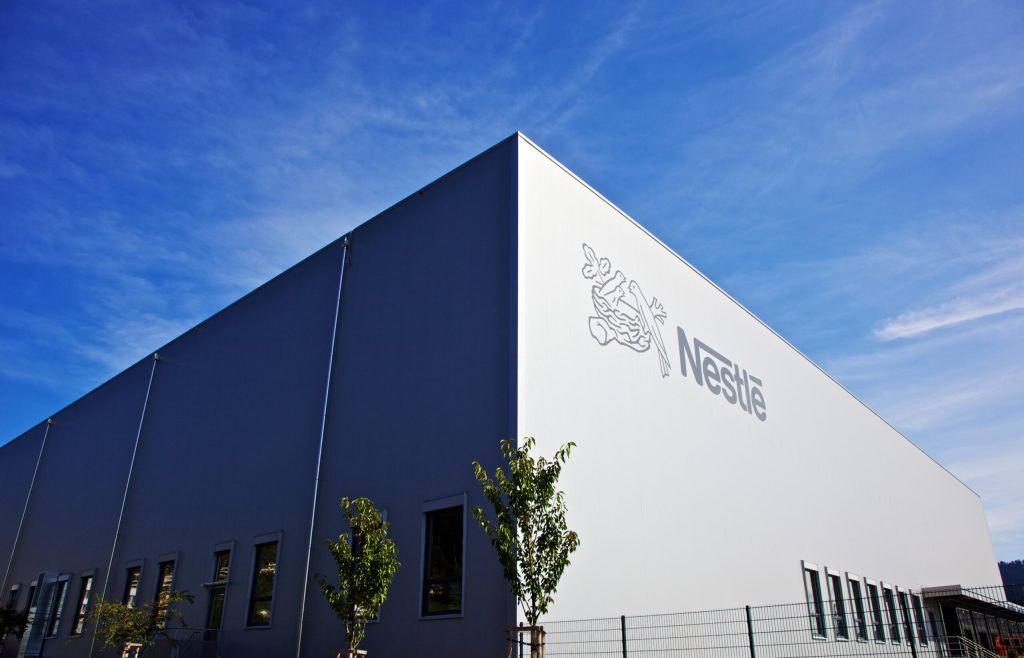
Photograph: Nestle SA’s new production unit for probiotic infant formulas in Konolfingen, Switzerland, on Thursday, Sept. 1, 2011. Photo credit: Gianluca Colla/Bloomberg
Related:
Copyright 2026 Bloomberg.
The most important insurance news, in your inbox every business day.
Get the insurance industry’s trusted newsletter
Nestlé SA is ramping up production of infant formula to avert a shortage following a contamination crisis that led the Swiss foodmaker, along with competitors Danone SA and Groupe Lactalis, to recall hundreds of batches of their products.
To address the urgent need, five Nestlé factories located in France, Spain, Germany, Switzerland, and the Netherlands are now operating around the clock. This initiative aims to boost the supply of infant formula, particularly for babies under one year old. A recent filing revealed that Nestlé sought permission from Swiss authorities to conduct night and holiday work at its Konolfingen plant on January 6, just a day after the global recall commenced.
In response to the increased demand, German manufacturer HiPP and Swiss firm Holle—both unaffected by the recall—have also ramped up their production efforts.
The infant formula crisis has now extended into its third month, with products from at least five companies recalled across more than 60 countries. The situation escalated when Nestlé detected bacteria capable of producing cereulide, a toxin that can induce sudden nausea and vomiting, at one of its factories. This discovery triggered the largest recall in the industry’s history.
While only a few countries have definitively linked illnesses in infants to the contaminated formula, publicly traded formula producers have faced significant backlash from investors whenever investigations are announced.
Probes
Recent reports indicate that French authorities are investigating whether a third infant death in the country is connected to Nestlé’s formula. This news caused shares of both Nestlé and Danone to decline once again on Wednesday. However, Danone’s stock rebounded on Thursday after Chinese authorities reported no poisoning cases linked to formula in their country, a crucial market for the company, according to Barclays.
On Friday, Nestlé’s shares dipped slightly in early trading in Zurich, while Danone’s remained relatively stable. China’s market regulator has also mandated that formula manufacturers test for cereulide, a move that could help restore investor confidence, especially given the critical role of Cabio Biotech Wuhan Co., which supplies ARA oil to both Danone and Nestlé. It has been confirmed that Cabio is the source of the cereulide contamination.
In contrast to the U.S. situation in 2022, where a temporary shutdown of an Abbott Laboratories factory led to empty shelves and panic among parents, the production boost in Europe, along with a more robust supply chain, is expected to prevent similar disruptions. However, even minor supply issues can have severe consequences, as many parents are hesitant to switch brands, especially when it comes to a product with no viable alternatives.
Infants under one year old rely solely on breast milk or formula for their nutritional needs. Pediatricians caution that cow’s milk, plant-based drinks, or homemade alternatives can pose serious health risks, making formula shortages particularly alarming for mothers unable to breastfeed.
Dominant Companies
According to Bloomberg Intelligence analysts Duncan Fox and Diana Gomes, “Global giants, or large local companies, dominate the infant milk market in every region.” They note that Nestlé, Danone, and Reckitt Benckiser Group’s Mead Johnson account for 35% of the global market. This concentration may complicate brand-switching for parents, particularly if a company is slow to recall potentially hazardous products, especially when babies are thriving on their current brand.
Despite the challenges, some producers are increasing their output. Although Holle does not disclose specific production figures, spokesperson Karin Henke stated that the company is responding to the current market situation by maximizing production within the limits of available raw materials.
Other companies, including Danone and Groupe Lactalis, as well as British firm Nannycare and Dutch company FrieslandCampina, have reported no signs of shortages and are maintaining their current production levels. German producer DMK and Swiss manufacturer Hochdorf, which was affected by the cereulide contamination recalls, are also keeping their production steady.
UK brand Kendamil and Arla Foods, the Danish-Swedish dairy cooperative, have not yet responded to inquiries regarding their production status.
Photograph: Nestle SA’s new production unit for probiotic infant formulas in Konolfingen, Switzerland, on Thursday, Sept. 1, 2011. Photo credit: Gianluca Colla/Bloomberg
Related:
Copyright 2026 Bloomberg.
The most important insurance news, in your inbox every business day.
Get the insurance industry’s trusted newsletter