New Hampshire Defies Judge’s Ruling to Intensify Efforts Against Emissions Testing

On Wednesday, just over a week after a U.S. District Court judge ordered New Hampshire to take all necessary steps to continue its vehicle inspection program, the New Hampshire Executive Council voted to let the state’s emissions testing contract expire.
Republished from New Hampshire Bulletin
During an emergency meeting, the council voted 3-2 against a 60-day extension of the state’s contract with Gordon-Darby, the Kentucky-based contractor that has supplied electronic equipment for the emissions portion of New Hampshire state inspections since 2004.
Gordon-Darby is also the plaintiff in a Clean Air Act lawsuit against the state regarding the program’s discontinuation. This lawsuit led to last week’s order from District Court Judge Landya McCafferty, mandating that New Hampshire take steps to continue inspections until further notice.
While the future of New Hampshire’s testing and inspection program remains uncertain, enforcement of state inspections will be suspended until April 26, according to a news release from the Department of Justice.
“At this time, the Department of Justice and the Department of Safety are assessing the practical and legal ramifications of the Executive Council’s decision,” stated Department of Justice spokesperson Michael Garrity in the release.
State, Federal Policies in Conflict
During the meeting, the Executive Council, along with Attorney General John Formella, Department of Safety Commissioner Robert Quinn, and Department of Environmental Services Commissioner Robert Scott, highlighted the tension between the federal judge’s orders and the Legislature’s directive. This directive, passed in June with last year’s budget bill, aimed to end the inspection program by January 31.
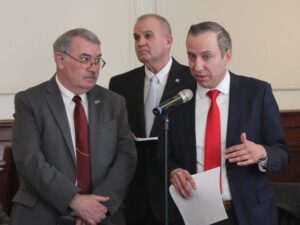
“We have a program that is not authorized under New Hampshire law, but which the state has been ordered to continue by federal court order, given the requirements of the Clean Air Act,” explained Formella.
Noncompliance with the federal pollution control law could result in a federal penalty of $55,000 per day, along with the potential loss of federal highway funding. Both Formella and Quinn recommended that the state approve the contract extension to comply with the judge’s orders and the Clean Air Act.
“We really don’t think the (inspection) program can run without Gordon-Darby,” Quinn noted. “The practical reality is that you can’t swap out the vendors overnight.”
However, Executive Councilor John Stephen of District 4 argued that extending the contract would contradict the Legislature’s will, which moved in last year’s House Bill 2 to end inspections by January 31.
“We currently have no state law on the books for this program, and you’re asking us for a contract for a program that doesn’t, by law, exist,” he stated. “I have a problem with that.”
Stephen, along with Executive Councilors Joseph Kenney of District 1 and David Wheeler of District 5, voted against the contract extension, while Councilors Karen Liot Hill of District 2 and Janet Stevens of District 3 voted in favor.
More Uncertainty for Drivers
The preliminary injunction issued on January 27 created confusion for drivers and New Hampshire’s more than 1,800 inspection stations, many of whom were prepared to forgo annual inspections or wind down their services.
On January 30, the New Hampshire Department of Justice issued guidance stating that the inspection program would continue. Gordon-Darby has continued its role, providing equipment for use since then, although its previous contract was set to expire on January 31, Formella noted on Wednesday.
However, the Executive Council’s rejection of the contract extension may bring an end to that arrangement. When reached by email on Wednesday afternoon, Gordon-Darby declined to comment on their next steps and whether their equipment would remain in use.
Kenney attributed the rushed timeline for ending inspections to the Legislature, which he claimed created mass confusion among the public. The EPA review of New Hampshire’s proposal to change air pollution control protocol may take 12 to 18 months, according to NHDES, with the proposal filed in December.
“We put the cart in front of the horse, and what we’ve done is create mass confusion within the public,” Kenney remarked. “The New Hampshire Legislature created this, and they snuck it into the last hour.”
New legislation is attempting to address the confusion surrounding vehicle inspections, including an amendment to House Bill 1560, co-sponsored by several House Republican representatives, including Majority Leader Jason Osborne of Auburn. This amendment proposes lowering the fine for inspection sticker noncompliance to $1 and prohibiting law enforcement from stopping a vehicle lacking a sticker.
At a February 3 hearing, Rep. Henry Giasson, a Republican from Goffstown, introduced the amendment as a stopgap measure to prevent inspection enforcement while the state awaits EPA approval or a favorable ruling in the Gordon-Darby lawsuit.
Without the contract extension, the state is likely to issue a request for proposals from vendors to find a possible alternative to Gordon-Darby, Formella indicated ahead of the vote on Wednesday. The state would argue that this request constitutes a step toward extending the emissions testing program, as required by the injunction.
However, by discontinuing the emissions testing program in the meantime, the state risks violating the Clean Air Act until the testing program is resumed or the EPA approves New Hampshire’s request to change its protocol.
Topics
Legislation
On Wednesday, just over a week after a U.S. District Court judge ordered New Hampshire to take all necessary steps to continue its vehicle inspection program, the New Hampshire Executive Council voted to let the state’s emissions testing contract expire.
Republished from New Hampshire Bulletin
During an emergency meeting, the council voted 3-2 against a 60-day extension of the state’s contract with Gordon-Darby, the Kentucky-based contractor that has supplied electronic equipment for the emissions portion of New Hampshire state inspections since 2004.
Gordon-Darby is also the plaintiff in a Clean Air Act lawsuit against the state regarding the program’s discontinuation. This lawsuit led to last week’s order from District Court Judge Landya McCafferty, mandating that New Hampshire take steps to continue inspections until further notice.
While the future of New Hampshire’s testing and inspection program remains uncertain, enforcement of state inspections will be suspended until April 26, according to a news release from the Department of Justice.
“At this time, the Department of Justice and the Department of Safety are assessing the practical and legal ramifications of the Executive Council’s decision,” stated Department of Justice spokesperson Michael Garrity in the release.
State, Federal Policies in Conflict
During the meeting, the Executive Council, along with Attorney General John Formella, Department of Safety Commissioner Robert Quinn, and Department of Environmental Services Commissioner Robert Scott, highlighted the tension between the federal judge’s orders and the Legislature’s directive. This directive, passed in June with last year’s budget bill, aimed to end the inspection program by January 31.
“We have a program that is not authorized under New Hampshire law, but which the state has been ordered to continue by federal court order, given the requirements of the Clean Air Act,” explained Formella.
Noncompliance with the federal pollution control law could result in a federal penalty of $55,000 per day, along with the potential loss of federal highway funding. Both Formella and Quinn recommended that the state approve the contract extension to comply with the judge’s orders and the Clean Air Act.
“We really don’t think the (inspection) program can run without Gordon-Darby,” Quinn noted. “The practical reality is that you can’t swap out the vendors overnight.”
However, Executive Councilor John Stephen of District 4 argued that extending the contract would contradict the Legislature’s will, which moved in last year’s House Bill 2 to end inspections by January 31.
“We currently have no state law on the books for this program, and you’re asking us for a contract for a program that doesn’t, by law, exist,” he stated. “I have a problem with that.”
Stephen, along with Executive Councilors Joseph Kenney of District 1 and David Wheeler of District 5, voted against the contract extension, while Councilors Karen Liot Hill of District 2 and Janet Stevens of District 3 voted in favor.
More Uncertainty for Drivers
The preliminary injunction issued on January 27 created confusion for drivers and New Hampshire’s more than 1,800 inspection stations, many of whom were prepared to forgo annual inspections or wind down their services.
On January 30, the New Hampshire Department of Justice issued guidance stating that the inspection program would continue. Gordon-Darby has continued its role, providing equipment for use since then, although its previous contract was set to expire on January 31, Formella noted on Wednesday.
However, the Executive Council’s rejection of the contract extension may bring an end to that arrangement. When reached by email on Wednesday afternoon, Gordon-Darby declined to comment on their next steps and whether their equipment would remain in use.
Kenney attributed the rushed timeline for ending inspections to the Legislature, which he claimed created mass confusion among the public. The EPA review of New Hampshire’s proposal to change air pollution control protocol may take 12 to 18 months, according to NHDES, with the proposal filed in December.
“We put the cart in front of the horse, and what we’ve done is create mass confusion within the public,” Kenney remarked. “The New Hampshire Legislature created this, and they snuck it into the last hour.”
New legislation is attempting to address the confusion surrounding vehicle inspections, including an amendment to House Bill 1560, co-sponsored by several House Republican representatives, including Majority Leader Jason Osborne of Auburn. This amendment proposes lowering the fine for inspection sticker noncompliance to $1 and prohibiting law enforcement from stopping a vehicle lacking a sticker.
At a February 3 hearing, Rep. Henry Giasson, a Republican from Goffstown, introduced the amendment as a stopgap measure to prevent inspection enforcement while the state awaits EPA approval or a favorable ruling in the Gordon-Darby lawsuit.
Without the contract extension, the state is likely to issue a request for proposals from vendors to find a possible alternative to Gordon-Darby, Formella indicated ahead of the vote on Wednesday. The state would argue that this request constitutes a step toward extending the emissions testing program, as required by the injunction.
However, by discontinuing the emissions testing program in the meantime, the state risks violating the Clean Air Act until the testing program is resumed or the EPA approves New Hampshire’s request to change its protocol.
Topics
Legislation