November CPI: Elevated Inflation Persists as Fed Considers Rate Cut Hold
The Lonski Group President John Lonski joins Varney & Co. to discuss inflation and the latest jobs data, and to weigh in on President Donald Trump’s claim that the stock market’s strength stems from tariffs.
Inflation remained elevated in November, significantly surpassing the Federal Reserve’s target rate as policymakers consider potential interest rate cuts for the upcoming year.
The Bureau of Labor Statistics reported on Thursday that the consumer price index (CPI)—a comprehensive measure of the costs of everyday goods such as gasoline, groceries, and rent—rose by 0.2% in November compared to September, marking a 2.7% increase year-over-year.
These figures fell short of economists’ expectations, who had predicted a 0.3% monthly rise and a 3.1% annual increase. Core prices, which exclude volatile categories like food and energy, increased by 0.3% from the previous month and 2.6% from a year ago. While the monthly figure aligned with forecasts, the annual rate was lower than anticipated.
POWELL ACKNOWLEDGES LABOR MARKET SLOWDOWN BUT REJECTS FEARS OF STEEP DECLINE
The release of the November CPI inflation report was postponed due to the 43-day government shutdown, which concluded last month and affected data collection, delaying the report from its original release date of December 10.
High inflation has imposed significant financial burdens on U.S. households, forcing them to spend more on essential items like food and rent. This situation is particularly challenging for lower-income Americans, who allocate a larger portion of their limited incomes to necessities and have less ability to save.
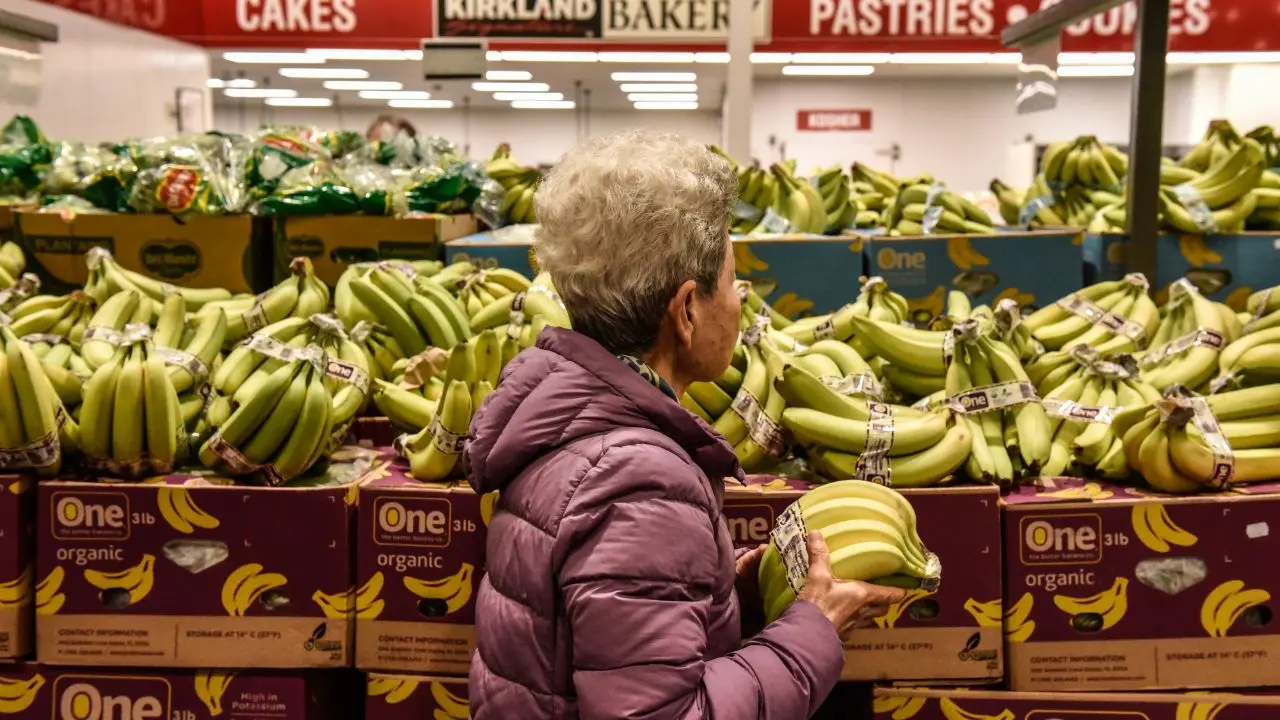
Food prices rose by 2.6% in November compared to the previous year, although monthly data for the last two months was unavailable due to the shutdown. The food-at-home index increased by 1.9% year-over-year, while the food-away-from-home index saw a rise of 3.7%.
Prices for meats, poultry, and fish surged by 6.8% from a year ago, while egg prices fell by 13.2% as supply shortages from an avian flu outbreak eased. The fruits and vegetables index showed a modest increase of just 0.1% over the past year.
POWELL SAYS RATE CUTS WON’T MAKE ‘MUCH OF A DIFFERENCE’ FOR STRUGGLING HOUSING SECTOR
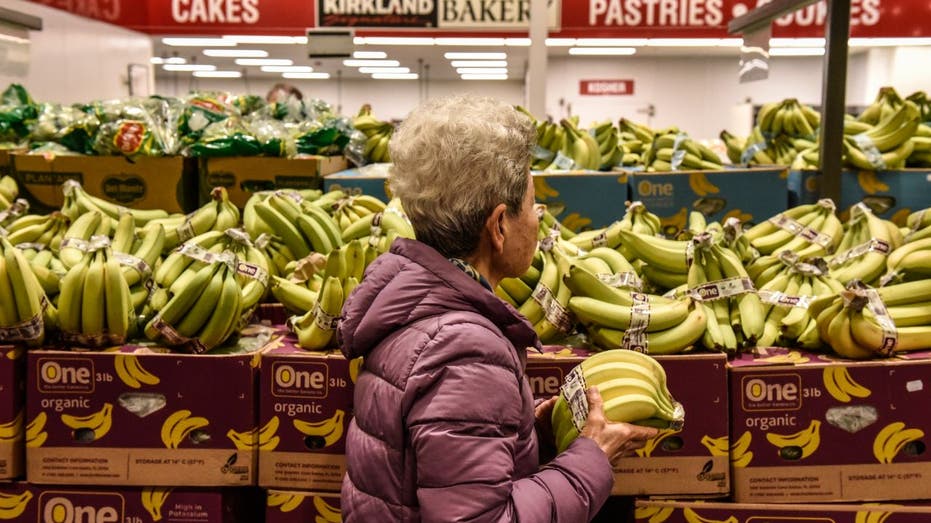
Food prices were up 2.6% in November from a year ago. (Stephanie Keith/Bloomberg via Getty Images)
Energy prices increased by 4.2% year-over-year, with a 1.1% rise in the last two months. Gas prices saw a modest increase of 0.9% compared to last year, while fuel oil costs surged by 11.3%. Conversely, propane, kerosene, and firewood prices dropped by 5.9%. Electricity costs rose by 6.9% in November compared to the previous year, and utility gas service prices increased by 9.1%.
Transportation services experienced a 1.7% increase from a year ago. Motor vehicle maintenance and repair costs rose by 6.9% over the past 12 months, while data on auto insurance costs was unavailable for that period. Airline fares, however, decreased by 5.4% compared to last year.
Housing prices increased by 3% over the last year, with a 0.2% rise in the past two months. Tenants’ and household insurance costs rose by 7% year-over-year.
The inflation data follows the Federal Reserve‘s decision to cut interest rates last week for the third consecutive time after its final policy meeting of the year.
Policymakers expressed concerns about signs of weakness in the labor market, opting to lower rates despite inflation remaining significantly above the Fed’s 2% target. Earlier in the year, inflation had been trending toward 2%, but the impact of tariff costs contributed to pushing CPI inflation to 3%.
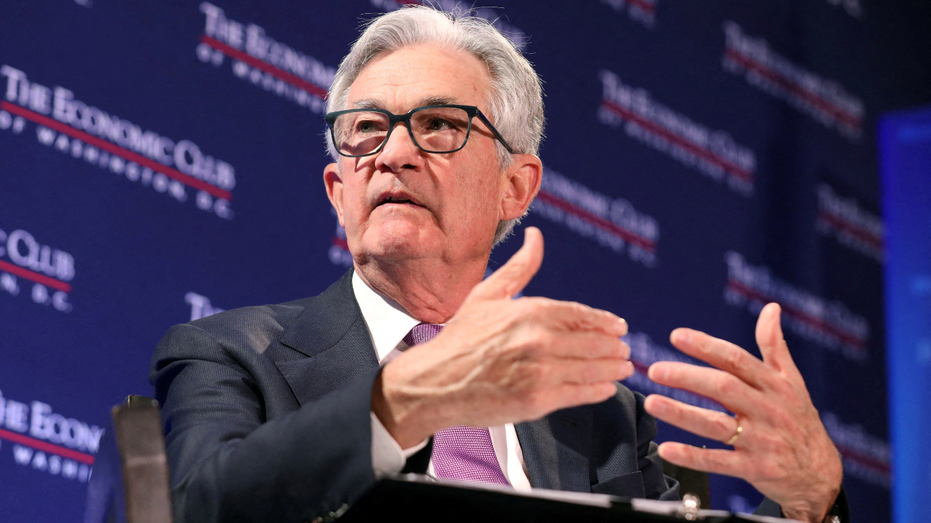
Federal Reserve Chair Jerome Powell signaled the central bank is prepared to wait and see how the economy develops before making further rate cut moves. (Amanda Andrade-Rhoades/Reuters)
US ADDED 64K JOBS IN NOVEMBER AFTER LOSING 105K IN OCTOBER, DELAYED JOBS REPORT SHOWS
Fed Chair Jerome Powell stated that the recent cut brought rates closer to neutral, allowing the central bank to adopt a wait-and-see approach regarding future rate adjustments.
“Today’s low inflation reading won’t move the needle for the Fed given how noisy the data is,” remarked Kay Haigh, global co-head of fixed income and liquidity solutions at Goldman Sachs Asset Management. “The cancellation of the October report makes month-on-month comparisons impossible, while the truncated information-gathering process due to the shutdown could have introduced systematic biases in the data.”
“The Fed will instead focus on the December CPI released in mid-January, just two weeks before its next meeting, as a more accurate bellwether for inflation,” Haigh added.
“The Fed said it was in ‘wait-and-see’ mode, and today it got to see inflation moving in the right direction,” noted Ellen Zentner, chief economic strategist for Morgan Stanley Wealth Management. “Inflation may still be above target, but today’s data made the opening for additional rate cuts just a little wider.”
GET FOX BUSINESS ON THE GO BY CLICKING HERE
The November CPI inflation report had minimal impact on market expectations regarding a rate cut at the Fed’s next meeting on January 27-28. The likelihood of the Fed maintaining rates at the current target of 3.5% to 3.75% was 73.4%, a slight decrease from 75.6% a week prior, according to the CME FedWatch tool.
The Lonski Group President John Lonski joins Varney & Co. to discuss inflation and the latest jobs data, and to weigh in on President Donald Trump’s claim that the stock market’s strength stems from tariffs.
Inflation remained elevated in November, significantly surpassing the Federal Reserve’s target rate as policymakers consider potential interest rate cuts for the upcoming year.
The Bureau of Labor Statistics reported on Thursday that the consumer price index (CPI)—a comprehensive measure of the costs of everyday goods such as gasoline, groceries, and rent—rose by 0.2% in November compared to September, marking a 2.7% increase year-over-year.
These figures fell short of economists’ expectations, who had predicted a 0.3% monthly rise and a 3.1% annual increase. Core prices, which exclude volatile categories like food and energy, increased by 0.3% from the previous month and 2.6% from a year ago. While the monthly figure aligned with forecasts, the annual rate was lower than anticipated.
POWELL ACKNOWLEDGES LABOR MARKET SLOWDOWN BUT REJECTS FEARS OF STEEP DECLINE
The release of the November CPI inflation report was postponed due to the 43-day government shutdown, which concluded last month and affected data collection, delaying the report from its original release date of December 10.
High inflation has imposed significant financial burdens on U.S. households, forcing them to spend more on essential items like food and rent. This situation is particularly challenging for lower-income Americans, who allocate a larger portion of their limited incomes to necessities and have less ability to save.
Food prices rose by 2.6% in November compared to the previous year, although monthly data for the last two months was unavailable due to the shutdown. The food-at-home index increased by 1.9% year-over-year, while the food-away-from-home index saw a rise of 3.7%.
Prices for meats, poultry, and fish surged by 6.8% from a year ago, while egg prices fell by 13.2% as supply shortages from an avian flu outbreak eased. The fruits and vegetables index showed a modest increase of just 0.1% over the past year.
POWELL SAYS RATE CUTS WON’T MAKE ‘MUCH OF A DIFFERENCE’ FOR STRUGGLING HOUSING SECTOR
Food prices were up 2.6% in November from a year ago. (Stephanie Keith/Bloomberg via Getty Images)
Energy prices increased by 4.2% year-over-year, with a 1.1% rise in the last two months. Gas prices saw a modest increase of 0.9% compared to last year, while fuel oil costs surged by 11.3%. Conversely, propane, kerosene, and firewood prices dropped by 5.9%. Electricity costs rose by 6.9% in November compared to the previous year, and utility gas service prices increased by 9.1%.
Transportation services experienced a 1.7% increase from a year ago. Motor vehicle maintenance and repair costs rose by 6.9% over the past 12 months, while data on auto insurance costs was unavailable for that period. Airline fares, however, decreased by 5.4% compared to last year.
Housing prices increased by 3% over the last year, with a 0.2% rise in the past two months. Tenants’ and household insurance costs rose by 7% year-over-year.
The inflation data follows the Federal Reserve‘s decision to cut interest rates last week for the third consecutive time after its final policy meeting of the year.
Policymakers expressed concerns about signs of weakness in the labor market, opting to lower rates despite inflation remaining significantly above the Fed’s 2% target. Earlier in the year, inflation had been trending toward 2%, but the impact of tariff costs contributed to pushing CPI inflation to 3%.
Federal Reserve Chair Jerome Powell signaled the central bank is prepared to wait and see how the economy develops before making further rate cut moves. (Amanda Andrade-Rhoades/Reuters)
US ADDED 64K JOBS IN NOVEMBER AFTER LOSING 105K IN OCTOBER, DELAYED JOBS REPORT SHOWS
Fed Chair Jerome Powell stated that the recent cut brought rates closer to neutral, allowing the central bank to adopt a wait-and-see approach regarding future rate adjustments.
“Today’s low inflation reading won’t move the needle for the Fed given how noisy the data is,” remarked Kay Haigh, global co-head of fixed income and liquidity solutions at Goldman Sachs Asset Management. “The cancellation of the October report makes month-on-month comparisons impossible, while the truncated information-gathering process due to the shutdown could have introduced systematic biases in the data.”
“The Fed will instead focus on the December CPI released in mid-January, just two weeks before its next meeting, as a more accurate bellwether for inflation,” Haigh added.
“The Fed said it was in ‘wait-and-see’ mode, and today it got to see inflation moving in the right direction,” noted Ellen Zentner, chief economic strategist for Morgan Stanley Wealth Management. “Inflation may still be above target, but today’s data made the opening for additional rate cuts just a little wider.”
GET FOX BUSINESS ON THE GO BY CLICKING HERE
The November CPI inflation report had minimal impact on market expectations regarding a rate cut at the Fed’s next meeting on January 27-28. The likelihood of the Fed maintaining rates at the current target of 3.5% to 3.75% was 73.4%, a slight decrease from 75.6% a week prior, according to the CME FedWatch tool.