NTSB Investigates Control of Jet in Crash That Claimed Biffle and Six Lives
Federal investigators are currently probing the tragic incident involving a business jet that was carrying retired NASCAR driver Greg Biffle and six other individuals. The aircraft attempted to return to a North Carolina airport shortly after takeoff but crashed into light poles and a tree line, resulting in the loss of all lives on board.
The Cessna C550 burst into flames upon impact on Thursday morning, approximately a third of a mile (550 meters) from the airport’s runway. Investigators are still trying to determine who was piloting the aircraft, as Biffle was one of three individuals on board with a pilot’s license.
Having departed from Statesville Regional Airport, located about 45 miles (72 kilometers) north of Charlotte, the jet crashed just 10 minutes into its flight while attempting to return to the airport. Authorities have confirmed that the conditions were drizzly and cloudy at the time of the incident.
Flight records reveal that the plane was registered to a company owned by Biffle. The National Transportation Safety Board (NTSB) began its examination of the wreckage on Friday to ascertain the cause of the crash and the reasons behind the plane’s return to the airport.
Investigators have recovered the cockpit voice recorder, which could provide crucial insights into the events leading up to the crash. NTSB member Michael Graham stated that there were no known emergency calls made from the jet.
On board were three pilots: Biffle, who was rated to fly helicopters and single- and multi-engine planes; Dennis Dutton, who was licensed to fly this model of jet; and Dutton’s son, Jack, who held a private pilot’s license for single-engine planes. Tragically, Biffle’s wife, Cristina, and their children, Ryder, 5, and Emma, 14, also perished in the crash.
Cristina Biffle’s mother revealed to People magazine that her daughter sent a text message saying, “We’re in trouble,” just before communication ceased.
While Dutton was qualified to pilot the aircraft, he was required to have a co-pilot. Although Biffle was rated for multi-engine planes, he was not qualified to fly this specific jet or serve as a second officer. Jack Dutton, despite having a pilot’s license, was only rated for single-engine planes.
Aviation safety expert John Cox raised concerns about the crew’s qualifications, noting, “There is nobody else that has a second-in-command type rating in the airplane.”
During the brief flight, the plane’s speed and altitude varied significantly, suggesting that the crew may have encountered an issue requiring an urgent return. Former NTSB and FAA crash investigator Jeff Guzzetti noted that the aircraft climbed rapidly from 1,800 feet (550 meters) to 4,000 feet (1,220 meters) before descending again, ultimately crashing just a couple of hundred feet above ground.
“One thing is certain: They were low. They were too low to make a safe landing on that runway,” Guzzetti emphasized.
It remains unclear why the pilots did not issue an emergency call. Their primary focus would have been on flying the aircraft and identifying a landing spot, potentially leaving little time for communication. Cox suggested that the issue may not have been perceived as an emergency, especially given the absence of a control tower or firefighting resources at the airport.
Biffle, 55, was a celebrated figure in NASCAR, having won over 50 races across various circuits, including 19 at the Cup Series level. He also claimed the Trucks Series championship in 2000 and the Xfinity Series title in 2002.
In 2024, Biffle was recognized for his humanitarian efforts following Hurricane Helene, even using his personal helicopter to deliver aid to flooded areas in western North Carolina.
A memorial of flowers has emerged near Biffle’s marble star in his hometown of Mooresville, honoring his legacy as a member of the North Carolina Auto Racing Hall of Fame.
Steve Miller, who met Biffle at a celebration following his Hall of Fame induction, shared a poignant memory. He recalled Biffle offering to take him on a helicopter flight, a promise that sadly never came to fruition.
Cessna Citations, like the one involved in this incident, are generally regarded as reliable and easy to fly. During flight, one pilot is typically at the controls while the other monitors the aircraft. Approximately 1,000 of these 550 series jets have been manufactured, boasting a commendable safety record. Guzzetti noted that past accidents have often been attributed to poor pilot decisions.
The Statesville airport will remain closed at least through Saturday as the NTSB continues its investigation, officials confirmed.
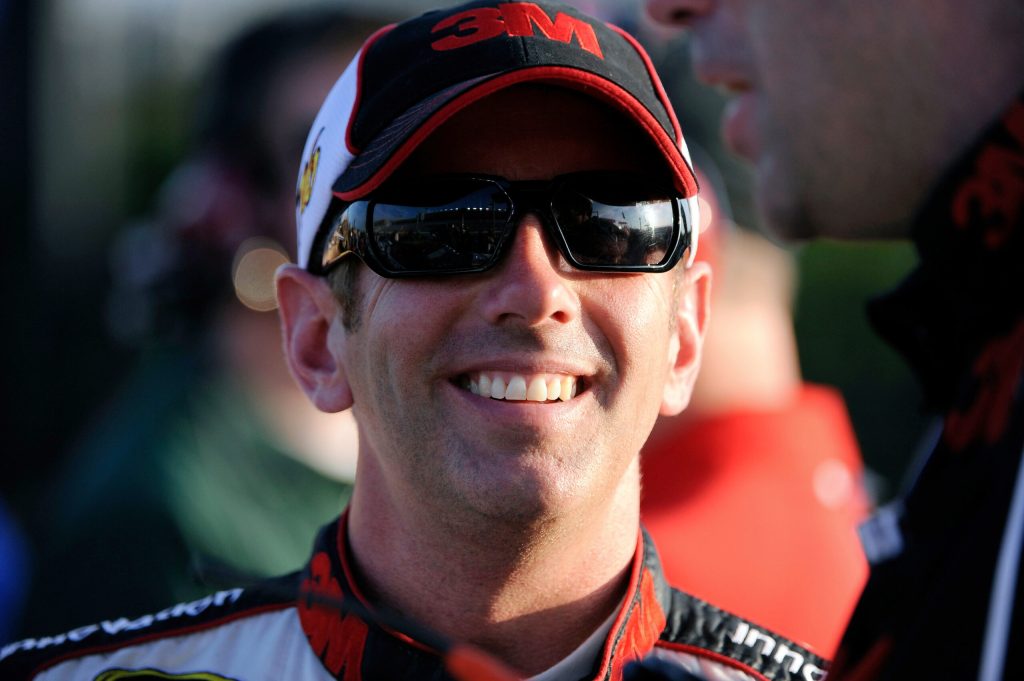
Photo: Greg Biffle in 2012 at Atlanta Motor Speedway. (AP Photo/David Tulis, File)
___
Funk reported from Omaha, Nebraska. Associated Press writers Allen G. Breed; Jenna Fryer in Charlotte, North Carolina; and Jeffrey Collins in Columbia, South Carolina, contributed to this story.
Copyright 2025 Associated Press. All rights reserved. This material may not be published, broadcast, rewritten, or redistributed.
Federal investigators are currently probing the tragic incident involving a business jet that was carrying retired NASCAR driver Greg Biffle and six other individuals. The aircraft attempted to return to a North Carolina airport shortly after takeoff but crashed into light poles and a tree line, resulting in the loss of all lives on board.
The Cessna C550 burst into flames upon impact on Thursday morning, approximately a third of a mile (550 meters) from the airport’s runway. Investigators are still trying to determine who was piloting the aircraft, as Biffle was one of three individuals on board with a pilot’s license.
Having departed from Statesville Regional Airport, located about 45 miles (72 kilometers) north of Charlotte, the jet crashed just 10 minutes into its flight while attempting to return to the airport. Authorities have confirmed that the conditions were drizzly and cloudy at the time of the incident.
Flight records reveal that the plane was registered to a company owned by Biffle. The National Transportation Safety Board (NTSB) began its examination of the wreckage on Friday to ascertain the cause of the crash and the reasons behind the plane’s return to the airport.
Investigators have recovered the cockpit voice recorder, which could provide crucial insights into the events leading up to the crash. NTSB member Michael Graham stated that there were no known emergency calls made from the jet.
On board were three pilots: Biffle, who was rated to fly helicopters and single- and multi-engine planes; Dennis Dutton, who was licensed to fly this model of jet; and Dutton’s son, Jack, who held a private pilot’s license for single-engine planes. Tragically, Biffle’s wife, Cristina, and their children, Ryder, 5, and Emma, 14, also perished in the crash.
Cristina Biffle’s mother revealed to People magazine that her daughter sent a text message saying, “We’re in trouble,” just before communication ceased.
While Dutton was qualified to pilot the aircraft, he was required to have a co-pilot. Although Biffle was rated for multi-engine planes, he was not qualified to fly this specific jet or serve as a second officer. Jack Dutton, despite having a pilot’s license, was only rated for single-engine planes.
Aviation safety expert John Cox raised concerns about the crew’s qualifications, noting, “There is nobody else that has a second-in-command type rating in the airplane.”
During the brief flight, the plane’s speed and altitude varied significantly, suggesting that the crew may have encountered an issue requiring an urgent return. Former NTSB and FAA crash investigator Jeff Guzzetti noted that the aircraft climbed rapidly from 1,800 feet (550 meters) to 4,000 feet (1,220 meters) before descending again, ultimately crashing just a couple of hundred feet above ground.
“One thing is certain: They were low. They were too low to make a safe landing on that runway,” Guzzetti emphasized.
It remains unclear why the pilots did not issue an emergency call. Their primary focus would have been on flying the aircraft and identifying a landing spot, potentially leaving little time for communication. Cox suggested that the issue may not have been perceived as an emergency, especially given the absence of a control tower or firefighting resources at the airport.
Biffle, 55, was a celebrated figure in NASCAR, having won over 50 races across various circuits, including 19 at the Cup Series level. He also claimed the Trucks Series championship in 2000 and the Xfinity Series title in 2002.
In 2024, Biffle was recognized for his humanitarian efforts following Hurricane Helene, even using his personal helicopter to deliver aid to flooded areas in western North Carolina.
A memorial of flowers has emerged near Biffle’s marble star in his hometown of Mooresville, honoring his legacy as a member of the North Carolina Auto Racing Hall of Fame.
Steve Miller, who met Biffle at a celebration following his Hall of Fame induction, shared a poignant memory. He recalled Biffle offering to take him on a helicopter flight, a promise that sadly never came to fruition.
Cessna Citations, like the one involved in this incident, are generally regarded as reliable and easy to fly. During flight, one pilot is typically at the controls while the other monitors the aircraft. Approximately 1,000 of these 550 series jets have been manufactured, boasting a commendable safety record. Guzzetti noted that past accidents have often been attributed to poor pilot decisions.
The Statesville airport will remain closed at least through Saturday as the NTSB continues its investigation, officials confirmed.
Photo: Greg Biffle in 2012 at Atlanta Motor Speedway. (AP Photo/David Tulis, File)
___
Funk reported from Omaha, Nebraska. Associated Press writers Allen G. Breed; Jenna Fryer in Charlotte, North Carolina; and Jeffrey Collins in Columbia, South Carolina, contributed to this story.
Copyright 2025 Associated Press. All rights reserved. This material may not be published, broadcast, rewritten, or redistributed.