Pacific Life Aims to Dismiss Kyle Busch’s $8.5 Million Lawsuit Regarding Insurance Policies
Pacific Life Insurance Company recently filed a motion in a federal court, seeking to dismiss the $8.5 million lawsuit brought forth by NASCAR champion Kyle Busch and his wife. The couple alleges that the insurance policies sold to them were based on false and negligent representations, particularly regarding their potential as tax-free income for retirement.
The case is being heard in the Western District of North Carolina, the same court that recently addressed the antitrust suit against NASCAR led by Michael Jordan. The Buschs purchased five Indexed Universal Life (IUL) policies between 2018 and 2022, which were intended to provide over $90 million in insurance protection for Busch, a two-time NASCAR champion.
The IUL policies were designed to offer immediate death benefit protection while also allowing for cash value accumulation over the long term. However, Pacific Life claims that Busch did not fully fund the policies, allowed some to lapse, and surrendered others. Busch asserts that he has lost $10.4 million and filed suit in October, alleging that Pacific Life failed to disclose the true risks associated with these policies.
In its motion to dismiss, Pacific Life argues that both Buschs signed multiple documents confirming their understanding of the policies. This includes a document stating that they would pay planned premiums and maintain the policies for 30 years, extending through age 70 and beyond. Pacific Life contends, “Instead of keeping the policies long enough to capitalize on their growth potential, Plaintiffs failed to timely pay planned premiums, failed to monitor allocation of their policy values between indexed and fixed accounts, and surrendered the policies or allowed them to lapse.”
An IUL combines life insurance with a cash value component, where the cash value growth is linked to a stock market index, purportedly with protections against market downturns. When Busch initially filed the lawsuit, he claimed he was informed that by paying $1 million for five years, he could withdraw $800,000 annually starting at age 52. However, upon receiving a sixth premium notice, he began to question the situation and discovered that most of his investment had vanished.
Pacific Life countered that the Buschs were aware of the policies’ details, arguing that Busch’s claims of breach of fiduciary duty and negligent misrepresentation are barred by the three-year statute of limitations. They stated, “A plaintiff cannot avoid the statute of limitations by remaining ‘willfully blind.’”
Furthermore, Pacific Life asserts that the Buschs’ allegations of misrepresentation are unfounded, citing “express, repeated disclosures” they signed. Each of the five policies included a cover letter prominently stating, “READ YOUR POLICY CAREFULLY,” and offered a 20-day cancellation period during which premiums would be refunded.
Additionally, the Buschs have named agent Rodney A. Smith in their lawsuit, accusing him of directing them toward an unsustainable, high-risk product and charging an upfront 35% commission that they were unaware of.
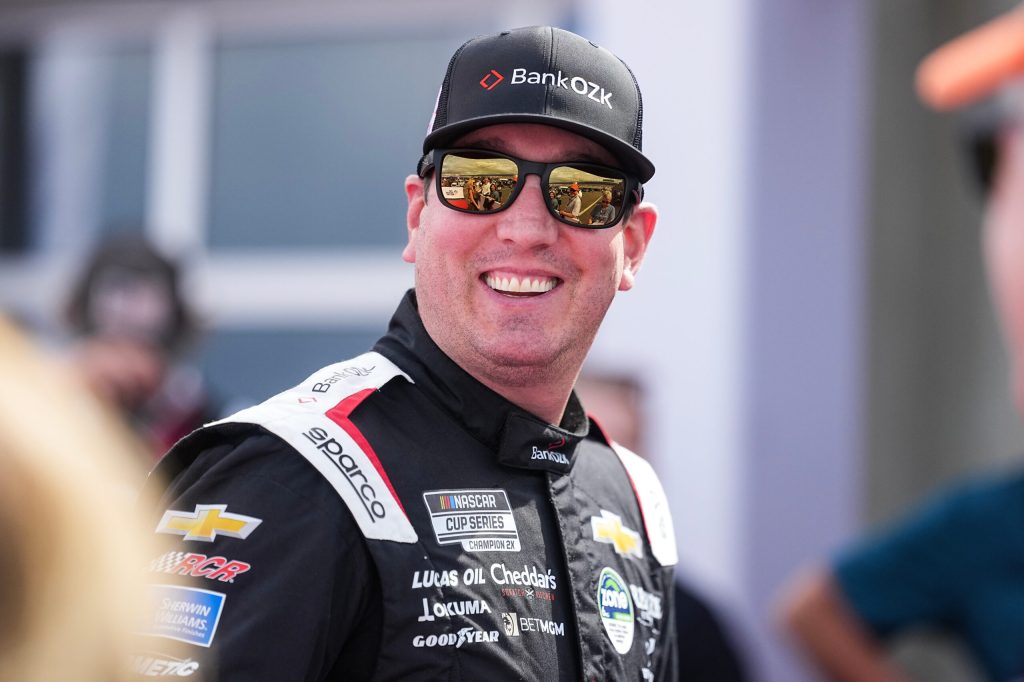
Photo: Busch in October at Charlotte Motor Speedway (AP Photo/Matt Kelley, File)
Copyright 2026 Associated Press. All rights reserved. This material may not be published, broadcast, rewritten, or redistributed.
Topics
Lawsuits
Interested in Lawsuits?
Get automatic alerts for this topic.
Pacific Life Insurance Company recently filed a motion in a federal court, seeking to dismiss the $8.5 million lawsuit brought forth by NASCAR champion Kyle Busch and his wife. The couple alleges that the insurance policies sold to them were based on false and negligent representations, particularly regarding their potential as tax-free income for retirement.
The case is being heard in the Western District of North Carolina, the same court that recently addressed the antitrust suit against NASCAR led by Michael Jordan. The Buschs purchased five Indexed Universal Life (IUL) policies between 2018 and 2022, which were intended to provide over $90 million in insurance protection for Busch, a two-time NASCAR champion.
The IUL policies were designed to offer immediate death benefit protection while also allowing for cash value accumulation over the long term. However, Pacific Life claims that Busch did not fully fund the policies, allowed some to lapse, and surrendered others. Busch asserts that he has lost $10.4 million and filed suit in October, alleging that Pacific Life failed to disclose the true risks associated with these policies.
In its motion to dismiss, Pacific Life argues that both Buschs signed multiple documents confirming their understanding of the policies. This includes a document stating that they would pay planned premiums and maintain the policies for 30 years, extending through age 70 and beyond. Pacific Life contends, “Instead of keeping the policies long enough to capitalize on their growth potential, Plaintiffs failed to timely pay planned premiums, failed to monitor allocation of their policy values between indexed and fixed accounts, and surrendered the policies or allowed them to lapse.”
An IUL combines life insurance with a cash value component, where the cash value growth is linked to a stock market index, purportedly with protections against market downturns. When Busch initially filed the lawsuit, he claimed he was informed that by paying $1 million for five years, he could withdraw $800,000 annually starting at age 52. However, upon receiving a sixth premium notice, he began to question the situation and discovered that most of his investment had vanished.
Pacific Life countered that the Buschs were aware of the policies’ details, arguing that Busch’s claims of breach of fiduciary duty and negligent misrepresentation are barred by the three-year statute of limitations. They stated, “A plaintiff cannot avoid the statute of limitations by remaining ‘willfully blind.’”
Furthermore, Pacific Life asserts that the Buschs’ allegations of misrepresentation are unfounded, citing “express, repeated disclosures” they signed. Each of the five policies included a cover letter prominently stating, “READ YOUR POLICY CAREFULLY,” and offered a 20-day cancellation period during which premiums would be refunded.
Additionally, the Buschs have named agent Rodney A. Smith in their lawsuit, accusing him of directing them toward an unsustainable, high-risk product and charging an upfront 35% commission that they were unaware of.
Photo: Busch in October at Charlotte Motor Speedway (AP Photo/Matt Kelley, File)
Copyright 2026 Associated Press. All rights reserved. This material may not be published, broadcast, rewritten, or redistributed.
Topics
Lawsuits
Interested in Lawsuits?
Get automatic alerts for this topic.