Palantir CEO Alex Karp Cautions World Economic Forum on Risks of Large-Scale Immigration

White House Office of Science and Technology Policy Director Michael Kratsios discusses the Trump administration’s push on AI, data center expansion and innovation on ‘Mornings with Maria.’
Palantir CEO Alex Karp recently emphasized the role of artificial intelligence in enhancing civil liberties, while cautioning that Europe risks falling behind the U.S. and China in technological adoption. During a discussion with Blackrock CEO Larry Fink at the World Economic Forum in Davos, Switzerland, Karp highlighted the challenges faced by hospitals, which he noted are grappling with an “intake problem” and a shortage of medical professionals.
Karp explained, “They are working in a low-margin environment, but every single one has a different way of processing their patients, according to what their specialty is and the kind of patients they don’t do well with. How do you manage that? The intake flow into your enterprise can be processed 10 to 15 times faster than before, which ultimately saves lives.”
He further asserted, “Despite what people may want to believe, it also bolsters civil liberties. You can now ask simple questions—Was someone processed based on economic considerations, or were they processed based on their background? These are things that are impossible to see without the right data.” Karp believes that AI can significantly enhance transparency in these processes.
SERVICENOW PARTNERS WITH OPENAI IN THREE-YEAR PUSH TO TRANSFORM ENTERPRISE AI
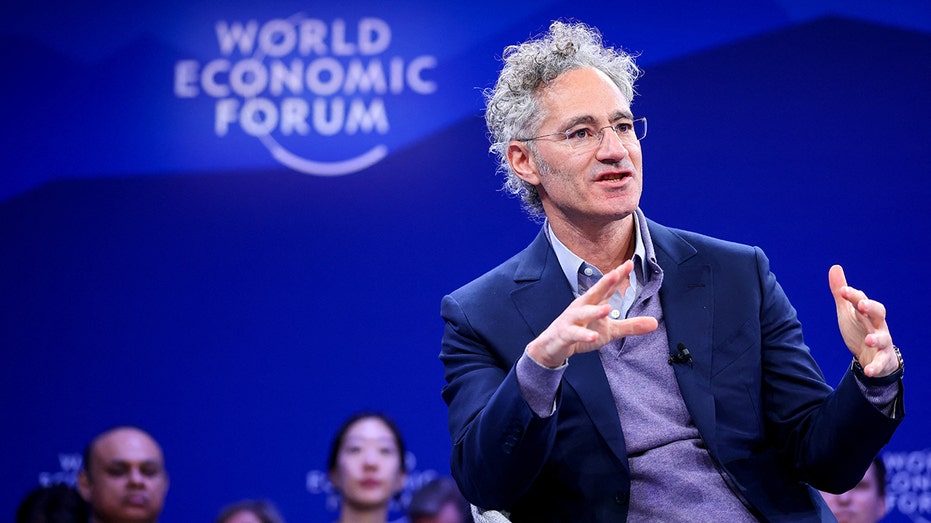
Palantir Technologies CEO Alex Karp attends the 56th annual World Economic Forum (WEF) meeting in Davos, Switzerland, on Tuesday, Jan. 20, 2026. (Denis Balibouse/Reuters / Reuters)
Karp also addressed concerns about AI’s impact on job markets. When asked by Fink if AI would create a greater imbalance in global growth, he stated, “America and China understand how to make this work, albeit in different ways. Both approaches are scalable and likely to accelerate beyond what most people believe is possible.” He added that the long-term impact of AI on society is underestimated.
He expressed concern over Europe’s slow tech adoption, calling it a “serious and very structural problem.” Karp lamented the lack of political leaders acknowledging this issue, stating, “I haven’t seen any political leader just stand up and say we have a serious and structural problem that we are going to fix.”
AI RAISES AVERAGE WAGES BY 21% AND SUBSTANTIALLY REDUCES WAGE INEQUALITY, RESEARCHERS FIND
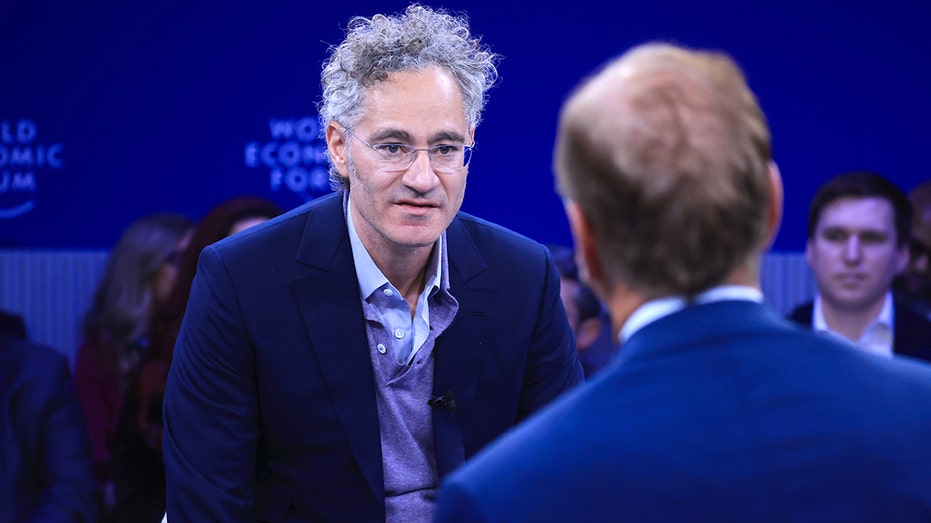
Alex Karp, chief executive officer of Palantir Technologies Inc., during the World Economic Forum (WEF) in Davos, Switzerland, on Tuesday, Jan. 20, 2026. (Krisztian Bocsi/Bloomberg via Getty Images / Getty Images)
On the topic of job creation versus destruction, Karp remarked, “One unfortunate narrative in the West is that AI will destroy jobs. However, vocational technicians, for instance, are becoming increasingly valuable. The jobs they perform are evolving rapidly, making them irreplaceable.” He believes that these trends will create ample opportunities for skilled workers.
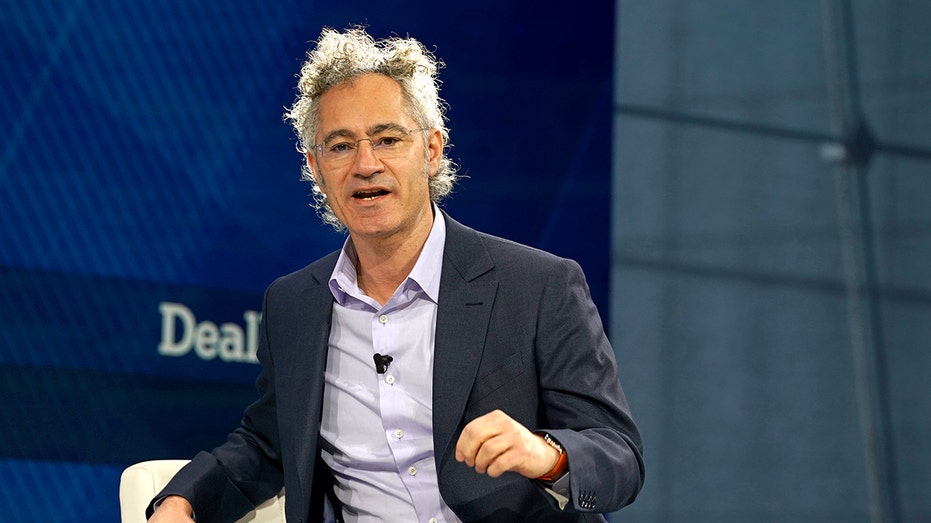
Alex Karp speaks onstage during The New York Times DealBook Summit 2025 on Dec. 3, 2025, in New York City. (David Dee Delgado/Getty Images for The New York Times / Getty Images)
CLICK HERE TO READ MORE ON FOX BUSINESS
Karp concluded by stating, “There will be more than enough jobs for citizens, especially those with vocational training. These trends challenge the rationale for large-scale immigration unless individuals possess specialized skills.”
White House Office of Science and Technology Policy Director Michael Kratsios discusses the Trump administration’s push on AI, data center expansion and innovation on ‘Mornings with Maria.’
Palantir CEO Alex Karp recently emphasized the role of artificial intelligence in enhancing civil liberties, while cautioning that Europe risks falling behind the U.S. and China in technological adoption. During a discussion with Blackrock CEO Larry Fink at the World Economic Forum in Davos, Switzerland, Karp highlighted the challenges faced by hospitals, which he noted are grappling with an “intake problem” and a shortage of medical professionals.
Karp explained, “They are working in a low-margin environment, but every single one has a different way of processing their patients, according to what their specialty is and the kind of patients they don’t do well with. How do you manage that? The intake flow into your enterprise can be processed 10 to 15 times faster than before, which ultimately saves lives.”
He further asserted, “Despite what people may want to believe, it also bolsters civil liberties. You can now ask simple questions—Was someone processed based on economic considerations, or were they processed based on their background? These are things that are impossible to see without the right data.” Karp believes that AI can significantly enhance transparency in these processes.
SERVICENOW PARTNERS WITH OPENAI IN THREE-YEAR PUSH TO TRANSFORM ENTERPRISE AI
Palantir Technologies CEO Alex Karp attends the 56th annual World Economic Forum (WEF) meeting in Davos, Switzerland, on Tuesday, Jan. 20, 2026. (Denis Balibouse/Reuters / Reuters)
Karp also addressed concerns about AI’s impact on job markets. When asked by Fink if AI would create a greater imbalance in global growth, he stated, “America and China understand how to make this work, albeit in different ways. Both approaches are scalable and likely to accelerate beyond what most people believe is possible.” He added that the long-term impact of AI on society is underestimated.
He expressed concern over Europe’s slow tech adoption, calling it a “serious and very structural problem.” Karp lamented the lack of political leaders acknowledging this issue, stating, “I haven’t seen any political leader just stand up and say we have a serious and structural problem that we are going to fix.”
AI RAISES AVERAGE WAGES BY 21% AND SUBSTANTIALLY REDUCES WAGE INEQUALITY, RESEARCHERS FIND
Alex Karp, chief executive officer of Palantir Technologies Inc., during the World Economic Forum (WEF) in Davos, Switzerland, on Tuesday, Jan. 20, 2026. (Krisztian Bocsi/Bloomberg via Getty Images / Getty Images)
On the topic of job creation versus destruction, Karp remarked, “One unfortunate narrative in the West is that AI will destroy jobs. However, vocational technicians, for instance, are becoming increasingly valuable. The jobs they perform are evolving rapidly, making them irreplaceable.” He believes that these trends will create ample opportunities for skilled workers.
Alex Karp speaks onstage during The New York Times DealBook Summit 2025 on Dec. 3, 2025, in New York City. (David Dee Delgado/Getty Images for The New York Times / Getty Images)
CLICK HERE TO READ MORE ON FOX BUSINESS
Karp concluded by stating, “There will be more than enough jobs for citizens, especially those with vocational training. These trends challenge the rationale for large-scale immigration unless individuals possess specialized skills.”