Portugal Unveils €2.5 Billion Relief Package Amid Escalating Flood Crisis
Portugal’s government has taken decisive action by approving a set of emergency laws aimed at expediting reconstruction efforts following devastating flooding. This initiative is part of a substantial €2.5 billion ($2.9 billion) support package, marking one of the largest disaster-relief efforts ever mobilized by the country.
The cabinet has agreed to extend the calamity declaration until February 15. This decision comes in response to the extensive damage caused by Storm Kristin and the ongoing threat of severe flooding as Storm Leonardo traverses the nation, with Storm Marta also approaching. The calamity status enables authorities to bypass standard procedures, thereby accelerating both spending and emergency response efforts. (Editor’s note: This Bloomberg article was published on February 6).
In light of the crisis, three localities have postponed voting related to the upcoming presidential runoff scheduled for Sunday.
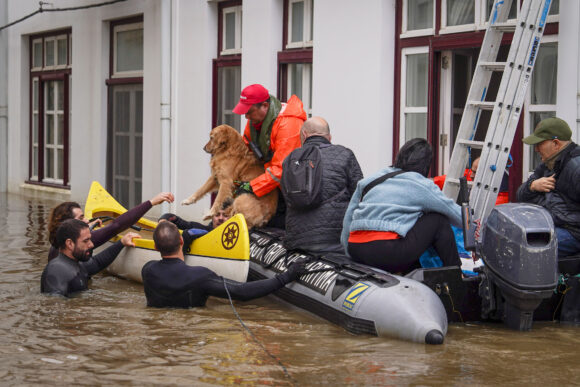
Several of Portugal’s major rivers have reached alarming levels. The Douro River, which flows through Porto in the north, has overflowed in numerous areas, inundating riverside towns. Meanwhile, the Tejo River has risen to its highest level since 1997, and the Sado River is at levels not seen since 1989. Tragically, at least 11 people have lost their lives since last week, and nearly 1 million individuals have been left without power.
The recent flooding has exacerbated damage from last summer’s wildfires, which stripped vegetation from extensive areas in central and northern Portugal. This loss of vegetation has led to increased runoff during heavy rainfall. Critics have previously accused Prime Minister Luís Montenegro’s government of a slow response to these disasters. The combination of back-to-back calamities has intensified pressure on the nation’s infrastructure and public services, highlighting the escalating economic costs associated with extreme weather events.
As the government grapples with these challenges, it faces the additional burden of limited fiscal space. Portugal is projecting a modest budget surplus for this year, leaving little room to accommodate significant emergency expenditures. Montenegro has emphasized the necessity of swift intervention to avert long-term economic repercussions, even as the government strives to maintain fiscal credibility.
The legal framework supporting this extensive €2.5 billion relief initiative encompasses direct assistance for households, expanded credit guarantees for businesses, and expedited public investment.
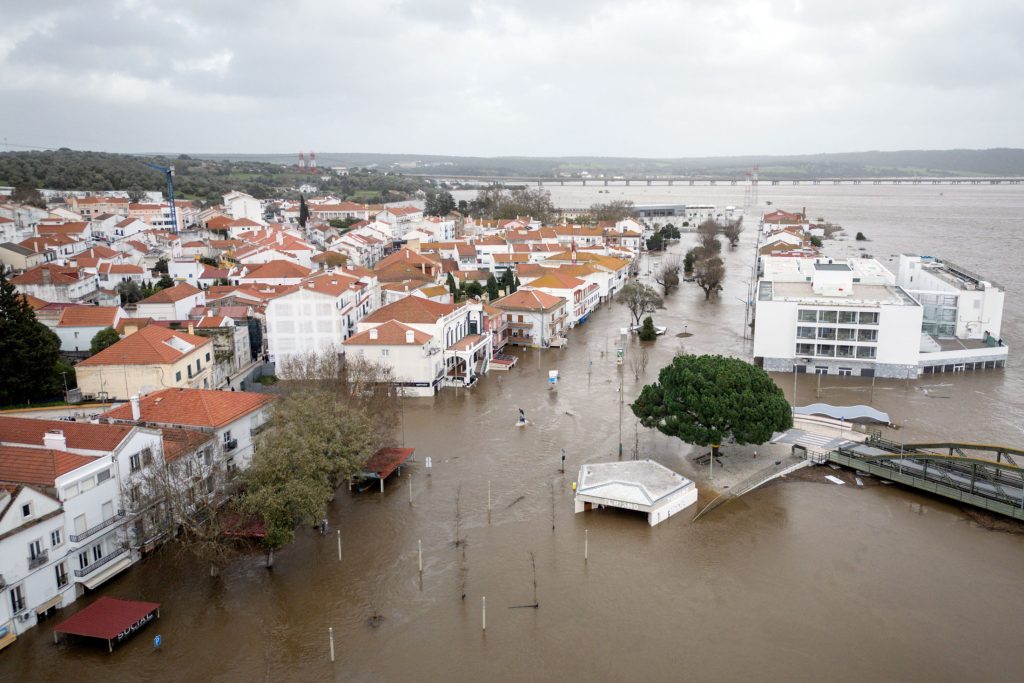
Top photograph: Flooding in Alcacer do Sal, Portugal, on February 5, 2025; photo credit: Adri Salido/Getty Images
Copyright 2026 Bloomberg.
Topics
Flood
Interested in Flood?
Get automatic alerts for this topic.
Portugal’s government has taken decisive action by approving a set of emergency laws aimed at expediting reconstruction efforts following devastating flooding. This initiative is part of a substantial €2.5 billion ($2.9 billion) support package, marking one of the largest disaster-relief efforts ever mobilized by the country.
The cabinet has agreed to extend the calamity declaration until February 15. This decision comes in response to the extensive damage caused by Storm Kristin and the ongoing threat of severe flooding as Storm Leonardo traverses the nation, with Storm Marta also approaching. The calamity status enables authorities to bypass standard procedures, thereby accelerating both spending and emergency response efforts. (Editor’s note: This Bloomberg article was published on February 6).
In light of the crisis, three localities have postponed voting related to the upcoming presidential runoff scheduled for Sunday.
Several of Portugal’s major rivers have reached alarming levels. The Douro River, which flows through Porto in the north, has overflowed in numerous areas, inundating riverside towns. Meanwhile, the Tejo River has risen to its highest level since 1997, and the Sado River is at levels not seen since 1989. Tragically, at least 11 people have lost their lives since last week, and nearly 1 million individuals have been left without power.
The recent flooding has exacerbated damage from last summer’s wildfires, which stripped vegetation from extensive areas in central and northern Portugal. This loss of vegetation has led to increased runoff during heavy rainfall. Critics have previously accused Prime Minister Luís Montenegro’s government of a slow response to these disasters. The combination of back-to-back calamities has intensified pressure on the nation’s infrastructure and public services, highlighting the escalating economic costs associated with extreme weather events.
As the government grapples with these challenges, it faces the additional burden of limited fiscal space. Portugal is projecting a modest budget surplus for this year, leaving little room to accommodate significant emergency expenditures. Montenegro has emphasized the necessity of swift intervention to avert long-term economic repercussions, even as the government strives to maintain fiscal credibility.
The legal framework supporting this extensive €2.5 billion relief initiative encompasses direct assistance for households, expanded credit guarantees for businesses, and expedited public investment.
Top photograph: Flooding in Alcacer do Sal, Portugal, on February 5, 2025; photo credit: Adri Salido/Getty Images
Copyright 2026 Bloomberg.
Topics
Flood
Interested in Flood?
Get automatic alerts for this topic.