Recent Research Hints At How CBD Could Prevent COVID Replication

A new study from Oregon State University has garnered attention for its promising findings regarding hemp compounds and their potential role in combating COVID-19. The research, led by Richard van Breemen of the Global Hemp Innovation Center, collaborated with scientists from Oregon Health & Science University. Their investigation revealed that two cannabinoid acids, CBDA and CBGA, effectively bind to the SARS-CoV-2 spike protein, blocking a crucial step necessary for the virus to infect human cells.
CBDA and CBGA are precursors to CBD and CBG, both of which are abundant in hemp and its extracts. This discovery suggests that these compounds could be utilized not only to prevent infection from the SARS-CoV-2 virus but also to treat it effectively.
While cannabidiol (CBD) is widely recognized for its therapeutic benefits, it has not been proven to prevent the SARS-CoV-2 virus from entering cells. Instead, CBD is known to inhibit the virus’s ability to replicate during the early stages of infection.
The surge in popularity of hemp-derived CBD products has led to increased consumer demand and interest. However, the lack of regulation in this market leaves many consumers uncertain about the quality and composition of the products they are purchasing. Some items may not contain the advertised amounts of CBD, and the concentrations can vary significantly.
To ensure you are getting high-quality products, it is advisable to seek recommendations from trusted sources. Some studies indicate that combining CBD with equal amounts of THC may reduce the efficacy of CBD, making it essential to consider the formulation of the products you choose.
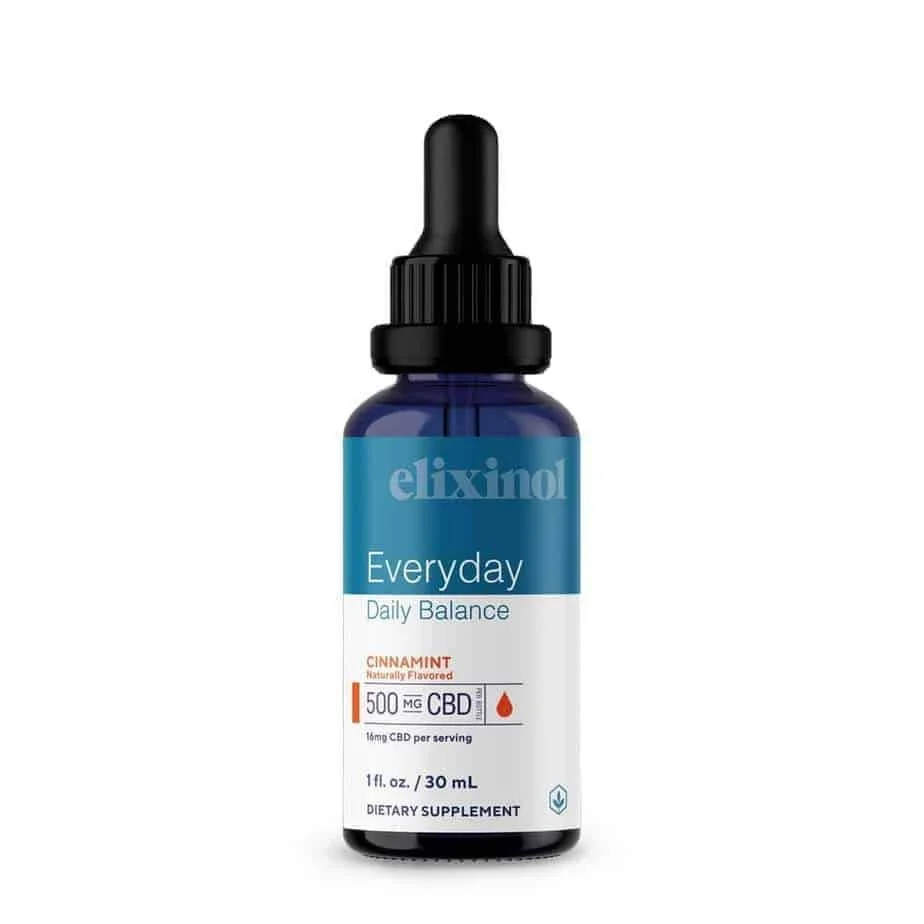
Hemp-derived products come in various forms, designed to enhance well-being and provide relief. Options include soft gels for nighttime use, everyday tinctures, elderberry-infused gummies, and topical creams for cooling relief.
Frequently Asked Questions
THC, or tetrahydrocannabinol, is a naturally occurring chemical found in the hemp plant, known for its psychotropic effects or “high.” Some full-spectrum CBD products may contain trace amounts of THC, but these levels are typically low enough not to cause any noticeable effects. Alternatively, consumers can opt for THC-free products.
Cannabidiol (CBD) is a chemical compound found in the cannabis Sativa plant, which includes both hemp and marijuana. There are over 80 different chemicals in cannabis, with delta-9-tetrahydrocannabinol (THC) being the most well-known. CBD is derived from hemp and has been used in prescription forms to treat epilepsy. Recent studies suggest it may also be beneficial for anxiety, pain, Parkinson’s disease, Crohn’s disease, and other common health issues.
Yes, the 2018 legislation legalized the sale and cultivation of hemp and hemp products. However, not all CBD products are legal, and since CBD is not an approved pharmaceutical, companies cannot legally include it in foods or dietary supplements.
A new study from Oregon State University has garnered attention for its promising findings regarding hemp compounds and their potential role in combating COVID-19. The research, led by Richard van Breemen of the Global Hemp Innovation Center, collaborated with scientists from Oregon Health & Science University. Their investigation revealed that two cannabinoid acids, CBDA and CBGA, effectively bind to the SARS-CoV-2 spike protein, blocking a crucial step necessary for the virus to infect human cells.
CBDA and CBGA are precursors to CBD and CBG, both of which are abundant in hemp and its extracts. This discovery suggests that these compounds could be utilized not only to prevent infection from the SARS-CoV-2 virus but also to treat it effectively.
While cannabidiol (CBD) is widely recognized for its therapeutic benefits, it has not been proven to prevent the SARS-CoV-2 virus from entering cells. Instead, CBD is known to inhibit the virus’s ability to replicate during the early stages of infection.
The surge in popularity of hemp-derived CBD products has led to increased consumer demand and interest. However, the lack of regulation in this market leaves many consumers uncertain about the quality and composition of the products they are purchasing. Some items may not contain the advertised amounts of CBD, and the concentrations can vary significantly.
To ensure you are getting high-quality products, it is advisable to seek recommendations from trusted sources. Some studies indicate that combining CBD with equal amounts of THC may reduce the efficacy of CBD, making it essential to consider the formulation of the products you choose.
Hemp-derived products come in various forms, designed to enhance well-being and provide relief. Options include soft gels for nighttime use, everyday tinctures, elderberry-infused gummies, and topical creams for cooling relief.
Frequently Asked Questions
THC, or tetrahydrocannabinol, is a naturally occurring chemical found in the hemp plant, known for its psychotropic effects or “high.” Some full-spectrum CBD products may contain trace amounts of THC, but these levels are typically low enough not to cause any noticeable effects. Alternatively, consumers can opt for THC-free products.
Cannabidiol (CBD) is a chemical compound found in the cannabis Sativa plant, which includes both hemp and marijuana. There are over 80 different chemicals in cannabis, with delta-9-tetrahydrocannabinol (THC) being the most well-known. CBD is derived from hemp and has been used in prescription forms to treat epilepsy. Recent studies suggest it may also be beneficial for anxiety, pain, Parkinson’s disease, Crohn’s disease, and other common health issues.
Yes, the 2018 legislation legalized the sale and cultivation of hemp and hemp products. However, not all CBD products are legal, and since CBD is not an approved pharmaceutical, companies cannot legally include it in foods or dietary supplements.