Revolutionary Exoskeleton System Claims to Cut Back and Strain Injuries by Nearly 66%
An innovative exoskeleton system, initially developed by researchers at Vanderbilt University, has shown remarkable potential in reducing workplace injuries. Over several months of rigorous study, this technology has decreased strain, sprain, and lifting injuries by an impressive 62%. This breakthrough could significantly alleviate some of the most common workers’ compensation claims.
HeroWear, a Nashville-based company, conducted trials over a period ranging from eight to 23 months. The results were compelling: workers at distribution centers who donned the Apex 2 exosuit experienced a substantial reduction in injury rates. Specifically, the incidence of strain and sprain injuries plummeted from approximately 10.2% per 100 workers annually to just 3.8%.
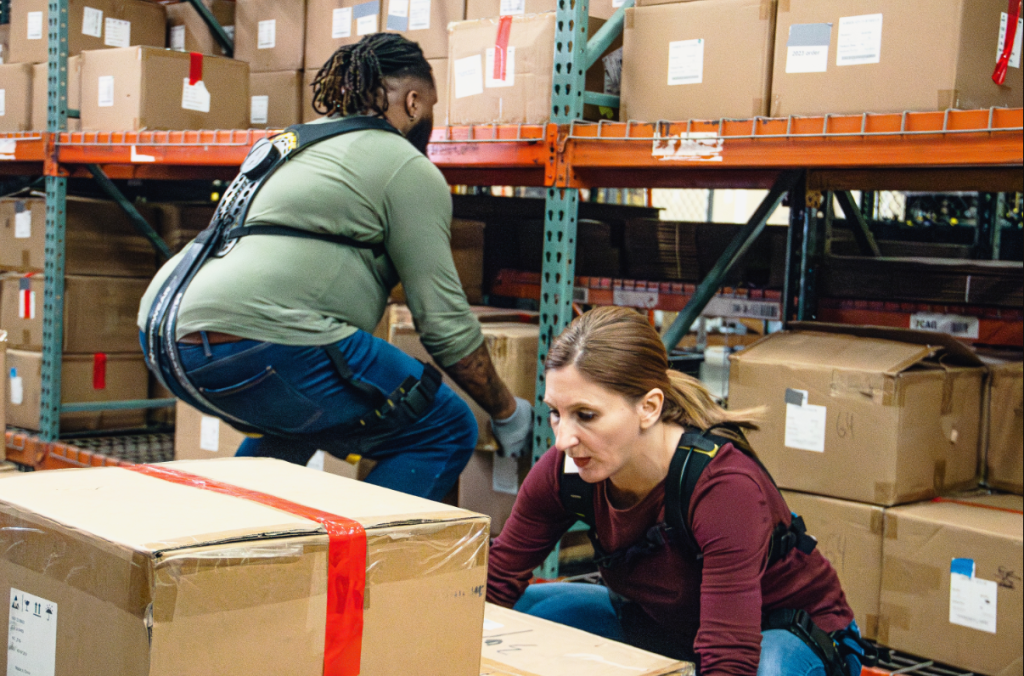
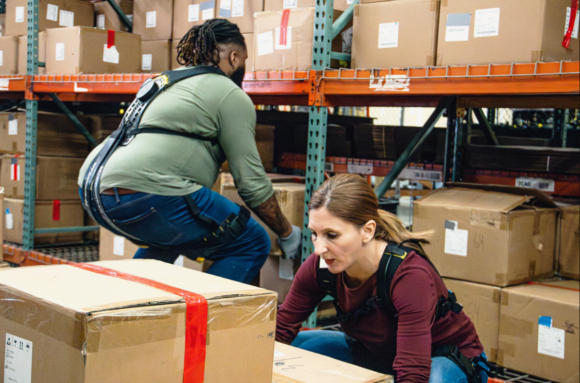
The Apex 2 exosuit functions like an additional set of back muscles, effectively limiting strain, fatigue, and discomfort during physically demanding tasks. According to a recent statement from HeroWear, one of the most significant advantages of this exoskeleton is that it does not transfer injuries to other body parts, addressing a long-standing concern associated with exoskeleton systems.
This innovative suit underwent extensive testing at five different distribution centers, which included sectors such as food and beverage, retail, manufacturing, and warehousing. The cumulative work hours logged during these trials exceeded 311,000, equivalent to the workload of 155 full-time employees over the span of a year, as noted by the company.
Back injuries, along with strains and sprains, are among the most frequently reported workers’ compensation claims in the United States. According to data from Work Health Solutions and the National Safety Council, these types of injuries account for approximately 23% to 30% of all claims filed.
Photo: HeroWear
Was this article valuable?
Here are more articles you may enjoy.
The most important insurance news, in your inbox every business day.
Get the insurance industry’s trusted newsletter
An innovative exoskeleton system, initially developed by researchers at Vanderbilt University, has shown remarkable potential in reducing workplace injuries. Over several months of rigorous study, this technology has decreased strain, sprain, and lifting injuries by an impressive 62%. This breakthrough could significantly alleviate some of the most common workers’ compensation claims.
HeroWear, a Nashville-based company, conducted trials over a period ranging from eight to 23 months. The results were compelling: workers at distribution centers who donned the Apex 2 exosuit experienced a substantial reduction in injury rates. Specifically, the incidence of strain and sprain injuries plummeted from approximately 10.2% per 100 workers annually to just 3.8%.
The Apex 2 exosuit functions like an additional set of back muscles, effectively limiting strain, fatigue, and discomfort during physically demanding tasks. According to a recent statement from HeroWear, one of the most significant advantages of this exoskeleton is that it does not transfer injuries to other body parts, addressing a long-standing concern associated with exoskeleton systems.
This innovative suit underwent extensive testing at five different distribution centers, which included sectors such as food and beverage, retail, manufacturing, and warehousing. The cumulative work hours logged during these trials exceeded 311,000, equivalent to the workload of 155 full-time employees over the span of a year, as noted by the company.
Back injuries, along with strains and sprains, are among the most frequently reported workers’ compensation claims in the United States. According to data from Work Health Solutions and the National Safety Council, these types of injuries account for approximately 23% to 30% of all claims filed.
Photo: HeroWear
Was this article valuable?
Here are more articles you may enjoy.
The most important insurance news, in your inbox every business day.
Get the insurance industry’s trusted newsletter