Rising Costs of Solar Panels and Heat Pumps Expected in 2026
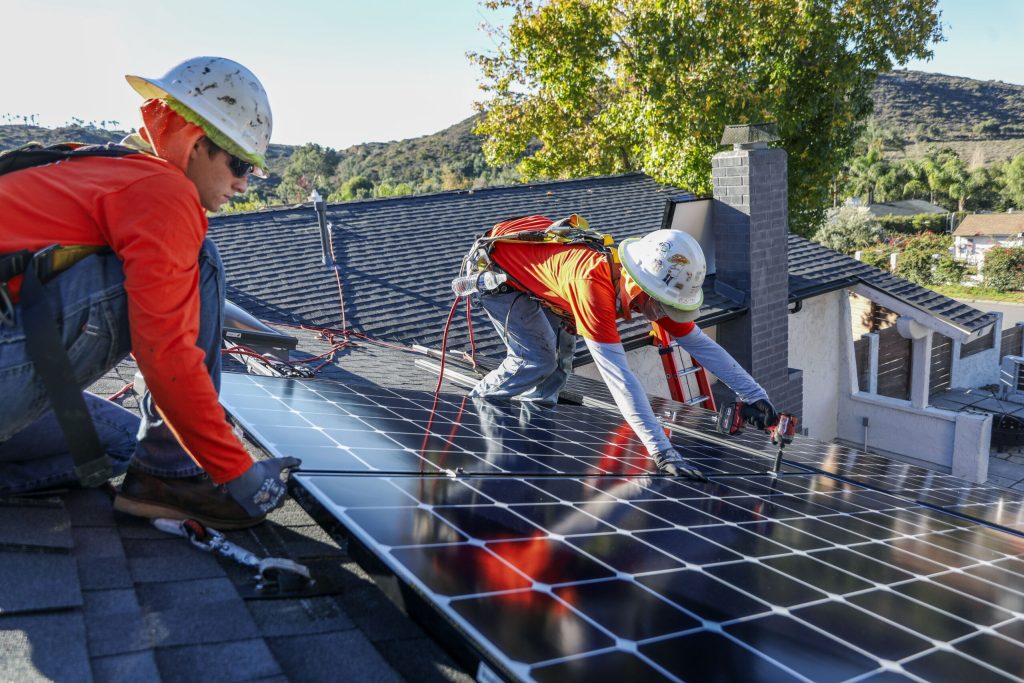
The elimination of US tax credits for residential heat pumps, solar panels, and batteries will make electrifying your home more expensive in 2026. Additionally, tariffs and made-in-America mandates could further increase costs.
While the exact price increases remain uncertain, new financing models may help keep some solar and battery costs manageable. Emily Walker, director of insights at online solar marketplace EnergySage, provides insights into the evolving landscape.
The Tax Credit Repeal’s Impact on Prices
The expiration of the 30% federal tax credit for solar and battery installations at the end of 2025 doesn’t directly raise equipment prices. However, for homeowners with a tax liability, it eliminates the opportunity to reduce or eliminate their tax bill. Typically, a solar and battery system generates tax credits worth around $10,000.
You Can Still Save by Leasing
Tax credits will still apply to leased solar systems until the end of 2027. In this case, the installer receives the incentive and passes on the savings to homeowners through lower monthly payments or other cost reductions.
A New Model of Solar Ownership Is Emerging
Walker notes that installers are transitioning to a new model that allows residents to ultimately own their solar and battery arrays while still benefiting from leasing savings. This model, known as lease-to-own or prepaid lease, requires homeowners to pay for the system upfront. The installer then passes on the tax credit benefits as a discount. According to the tax code, the solar company must retain ownership for a specified number of years before transferring title to the homeowner.
Shawn Heckerman, president of Southern California installer SolarShoppers, predicts that prepaid leases will comprise nearly all of his business in 2026. He anticipates an initial dip in demand, followed by a recovery later in the year. “I expect us to have a better year in 2026 than the last one, even with the tax credit expiring,” he stated. This optimism stems from rising electricity rates and increasing temperatures that compel residents to use their air conditioners more frequently. “When we get into the summer, customer calls spike when they get their first high utility bill,” Heckerman added.
Walker also foresees homeowners continuing to add solar panels as they install electric vehicle chargers and replace fossil fuel appliances with induction stoves and heat pumps. While the absence of federal incentives may extend the time it takes for energy savings to equal the system’s cost, going solar can still be financially appealing in the long run. “When you’re talking about something that’s producing electricity for 25 years, it’s really just a blip,” she remarked.
New Rules Could Raise the Cost of Solar Panels and Batteries
To qualify for the tax credit, leased systems must adhere to new domestic manufacturing requirements that took effect on January 1, 2026. However, the federal government has yet to provide final guidance on the percentage of components from China and other countries that are prohibited under the Trump tax bill enacted in July.
Tariffs Will Also Add Costs
The US imports a significant portion of its solar panels from China, Vietnam, and other countries subject to tariffs. Nearly all batteries for residential energy storage are manufactured in China. Analysts predict that tariffs and manufacturing mandates will likely increase prices. However, Walker believes this will motivate the industry to focus on reducing “soft costs” like permitting and paperwork, which currently lead to higher solar energy prices for US residents compared to those in Australia and Europe.
How Heat Pumps Are Affected
Homeowners have also lost the $2,000 federal tax credit for heat pumps, which can heat and cool homes and provide hot water. However, Francis Dietz, a spokesperson for industry group AHRI, pointed out that most heat pumps did not qualify for the incentive, as it was limited to the most efficient and expensive models.
“You can still get your basic or basic-plus heat pump and don’t have to worry about the tax credit going away, so it won’t make a big difference for the average consumer,” he explained. In 2024, the US imported 382,000 heat pumps, primarily from China and Mexico, out of a total of 4.1 million devices shipped, according to AHRI and the United Nations. Prices may rise modestly as domestically assembled heat pumps incorporate Chinese components subject to tariffs.
Copyright 2026 Bloomberg.
The most important insurance news, in your inbox every business day.
Get the insurance industry’s trusted newsletter
The elimination of US tax credits for residential heat pumps, solar panels, and batteries will make electrifying your home more expensive in 2026. Additionally, tariffs and made-in-America mandates could further increase costs.
While the exact price increases remain uncertain, new financing models may help keep some solar and battery costs manageable. Emily Walker, director of insights at online solar marketplace EnergySage, provides insights into the evolving landscape.
The Tax Credit Repeal’s Impact on Prices
The expiration of the 30% federal tax credit for solar and battery installations at the end of 2025 doesn’t directly raise equipment prices. However, for homeowners with a tax liability, it eliminates the opportunity to reduce or eliminate their tax bill. Typically, a solar and battery system generates tax credits worth around $10,000.
You Can Still Save by Leasing
Tax credits will still apply to leased solar systems until the end of 2027. In this case, the installer receives the incentive and passes on the savings to homeowners through lower monthly payments or other cost reductions.
A New Model of Solar Ownership Is Emerging
Walker notes that installers are transitioning to a new model that allows residents to ultimately own their solar and battery arrays while still benefiting from leasing savings. This model, known as lease-to-own or prepaid lease, requires homeowners to pay for the system upfront. The installer then passes on the tax credit benefits as a discount. According to the tax code, the solar company must retain ownership for a specified number of years before transferring title to the homeowner.
Shawn Heckerman, president of Southern California installer SolarShoppers, predicts that prepaid leases will comprise nearly all of his business in 2026. He anticipates an initial dip in demand, followed by a recovery later in the year. “I expect us to have a better year in 2026 than the last one, even with the tax credit expiring,” he stated. This optimism stems from rising electricity rates and increasing temperatures that compel residents to use their air conditioners more frequently. “When we get into the summer, customer calls spike when they get their first high utility bill,” Heckerman added.
Walker also foresees homeowners continuing to add solar panels as they install electric vehicle chargers and replace fossil fuel appliances with induction stoves and heat pumps. While the absence of federal incentives may extend the time it takes for energy savings to equal the system’s cost, going solar can still be financially appealing in the long run. “When you’re talking about something that’s producing electricity for 25 years, it’s really just a blip,” she remarked.
New Rules Could Raise the Cost of Solar Panels and Batteries
To qualify for the tax credit, leased systems must adhere to new domestic manufacturing requirements that took effect on January 1, 2026. However, the federal government has yet to provide final guidance on the percentage of components from China and other countries that are prohibited under the Trump tax bill enacted in July.
Tariffs Will Also Add Costs
The US imports a significant portion of its solar panels from China, Vietnam, and other countries subject to tariffs. Nearly all batteries for residential energy storage are manufactured in China. Analysts predict that tariffs and manufacturing mandates will likely increase prices. However, Walker believes this will motivate the industry to focus on reducing “soft costs” like permitting and paperwork, which currently lead to higher solar energy prices for US residents compared to those in Australia and Europe.
How Heat Pumps Are Affected
Homeowners have also lost the $2,000 federal tax credit for heat pumps, which can heat and cool homes and provide hot water. However, Francis Dietz, a spokesperson for industry group AHRI, pointed out that most heat pumps did not qualify for the incentive, as it was limited to the most efficient and expensive models.
“You can still get your basic or basic-plus heat pump and don’t have to worry about the tax credit going away, so it won’t make a big difference for the average consumer,” he explained. In 2024, the US imported 382,000 heat pumps, primarily from China and Mexico, out of a total of 4.1 million devices shipped, according to AHRI and the United Nations. Prices may rise modestly as domestically assembled heat pumps incorporate Chinese components subject to tariffs.
Copyright 2026 Bloomberg.
The most important insurance news, in your inbox every business day.
Get the insurance industry’s trusted newsletter