Russia’s Kremlin Confirms WhatsApp Messaging App Block for Users

The Lanier Law Firm attorney Mark Lanier joins ‘Varney & Co.’ to discuss explosive documents he claims show Meta prioritized profit over child safety ahead of Mark Zuckerberg’s expected testimony.
In a significant move, Russia has officially blocked the U.S.-based messaging app WhatsApp, as announced by the Kremlin on Thursday. The government claims that the Meta-owned company failed to comply with local laws, marking a notable escalation in the ongoing tensions between Russia and foreign tech platforms.
This decision follows six months of mounting pressure on WhatsApp and comes in the wake of the bans on Meta-owned Facebook and Instagram in Russia, which were enacted in 2022 after Moscow’s invasion of Ukraine.
Kremlin spokesperson Dmitry Peskov stated, “Due to Meta’s unwillingness to comply with Russian law, such a decision was indeed taken and implemented.” This reflects the Russian government’s increasing intolerance towards foreign digital services that do not adhere to its regulations.
RUSSIAN FORCES LOSE KEY BATTLEFIELD ADVANTAGE AFTER STARLINK TERMINALS ABRUPTLY SHUT DOWN

Russia blocked the U.S.-based messaging app WhatsApp, citing the company’s failure to comply with local laws. (REUTERS/Thomas White/File Photo / Reuters)
Peskov further encouraged Russians to utilize MAX, the country’s state-owned messaging app. He described MAX as “an accessible alternative, a developing messenger, a national messenger, and it is available on the market for citizens as an alternative.”
WhatsApp, which has been the most popular messaging app in Russia, responded by stating that the Russian government “attempted to fully block” the app “in an effort to drive people to a state-owned surveillance app.” The company emphasized, “Trying to isolate over 100 million users from private and secure communication is a backwards step and can only lead to less safety for people in Russia.” WhatsApp reassured users that they are doing everything possible to keep them connected.
ELON MUSK SLAMS ANTHROPIC AI MODELS AS ‘MISANTHROPIC AND EVIL’ IN SCATHING SOCIAL MEDIA POST

The Kremlin announced it blocked WhatsApp as Moscow continues its crackdown on foreign tech platforms. (Matt Cardy/Getty Images / Getty Images)
Critics have raised concerns that MAX functions as a surveillance tool, a claim that Russian authorities have denied. The government has been advocating for a communications infrastructure that mandates foreign-owned tech companies to comply with local laws or face bans.
Other platforms, including Snapchat and YouTube, have also faced restrictions or bans from Russian authorities. Notably, Meta was previously designated as an extremist organization in Russia.
Roskomnadzor, Russia’s communications regulator, began imposing restrictions on WhatsApp and other messaging services last August, making it increasingly difficult to complete phone calls through these platforms. In December, Roskomnadzor accused WhatsApp of violating Russian law, claiming it was a platform used “to organize and carry out terrorist acts on the territory of the country, to recruit their perpetrators and to commit fraud and other crimes.”
CLICK HERE TO GET FOX BUSINESS ON THE GO
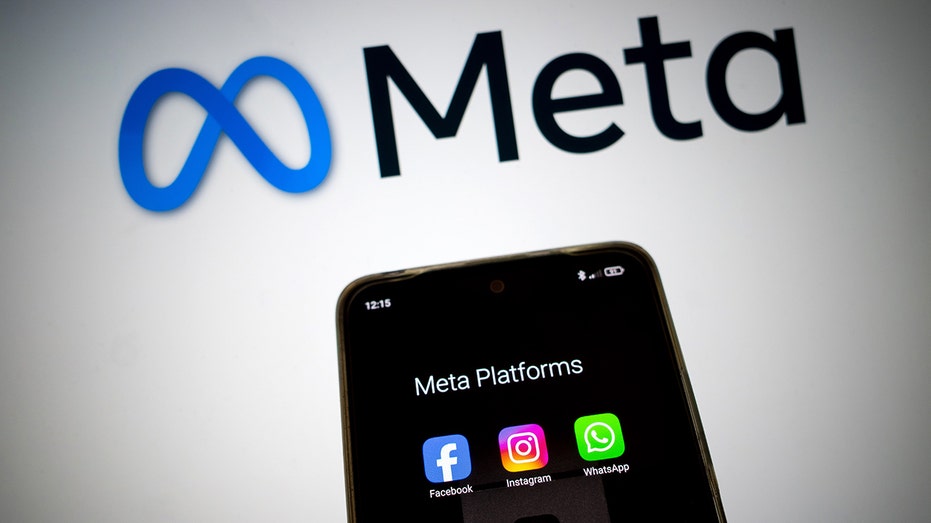
Russia banned Meta-owned WhatsApp, urging citizens to use a state-run messaging alternative. (Photo by Nikolas Kokovlis/NurPhoto via Getty Images / Getty Images)
WhatsApp has also faced fines in Russian courts for not deleting banned content, further complicating its relationship with the Russian government.
Reuters contributed to this report.
The Lanier Law Firm attorney Mark Lanier joins ‘Varney & Co.’ to discuss explosive documents he claims show Meta prioritized profit over child safety ahead of Mark Zuckerberg’s expected testimony.
In a significant move, Russia has officially blocked the U.S.-based messaging app WhatsApp, as announced by the Kremlin on Thursday. The government claims that the Meta-owned company failed to comply with local laws, marking a notable escalation in the ongoing tensions between Russia and foreign tech platforms.
This decision follows six months of mounting pressure on WhatsApp and comes in the wake of the bans on Meta-owned Facebook and Instagram in Russia, which were enacted in 2022 after Moscow’s invasion of Ukraine.
Kremlin spokesperson Dmitry Peskov stated, “Due to Meta’s unwillingness to comply with Russian law, such a decision was indeed taken and implemented.” This reflects the Russian government’s increasing intolerance towards foreign digital services that do not adhere to its regulations.
RUSSIAN FORCES LOSE KEY BATTLEFIELD ADVANTAGE AFTER STARLINK TERMINALS ABRUPTLY SHUT DOWN
Russia blocked the U.S.-based messaging app WhatsApp, citing the company’s failure to comply with local laws. (REUTERS/Thomas White/File Photo / Reuters)
Peskov further encouraged Russians to utilize MAX, the country’s state-owned messaging app. He described MAX as “an accessible alternative, a developing messenger, a national messenger, and it is available on the market for citizens as an alternative.”
WhatsApp, which has been the most popular messaging app in Russia, responded by stating that the Russian government “attempted to fully block” the app “in an effort to drive people to a state-owned surveillance app.” The company emphasized, “Trying to isolate over 100 million users from private and secure communication is a backwards step and can only lead to less safety for people in Russia.” WhatsApp reassured users that they are doing everything possible to keep them connected.
ELON MUSK SLAMS ANTHROPIC AI MODELS AS ‘MISANTHROPIC AND EVIL’ IN SCATHING SOCIAL MEDIA POST
The Kremlin announced it blocked WhatsApp as Moscow continues its crackdown on foreign tech platforms. (Matt Cardy/Getty Images / Getty Images)
Critics have raised concerns that MAX functions as a surveillance tool, a claim that Russian authorities have denied. The government has been advocating for a communications infrastructure that mandates foreign-owned tech companies to comply with local laws or face bans.
Other platforms, including Snapchat and YouTube, have also faced restrictions or bans from Russian authorities. Notably, Meta was previously designated as an extremist organization in Russia.
Roskomnadzor, Russia’s communications regulator, began imposing restrictions on WhatsApp and other messaging services last August, making it increasingly difficult to complete phone calls through these platforms. In December, Roskomnadzor accused WhatsApp of violating Russian law, claiming it was a platform used “to organize and carry out terrorist acts on the territory of the country, to recruit their perpetrators and to commit fraud and other crimes.”
CLICK HERE TO GET FOX BUSINESS ON THE GO
Russia banned Meta-owned WhatsApp, urging citizens to use a state-run messaging alternative. (Photo by Nikolas Kokovlis/NurPhoto via Getty Images / Getty Images)
WhatsApp has also faced fines in Russian courts for not deleting banned content, further complicating its relationship with the Russian government.
Reuters contributed to this report.