Sam Altman Critiques Elon Musk’s Space Data Centers as ‘Ridiculous’
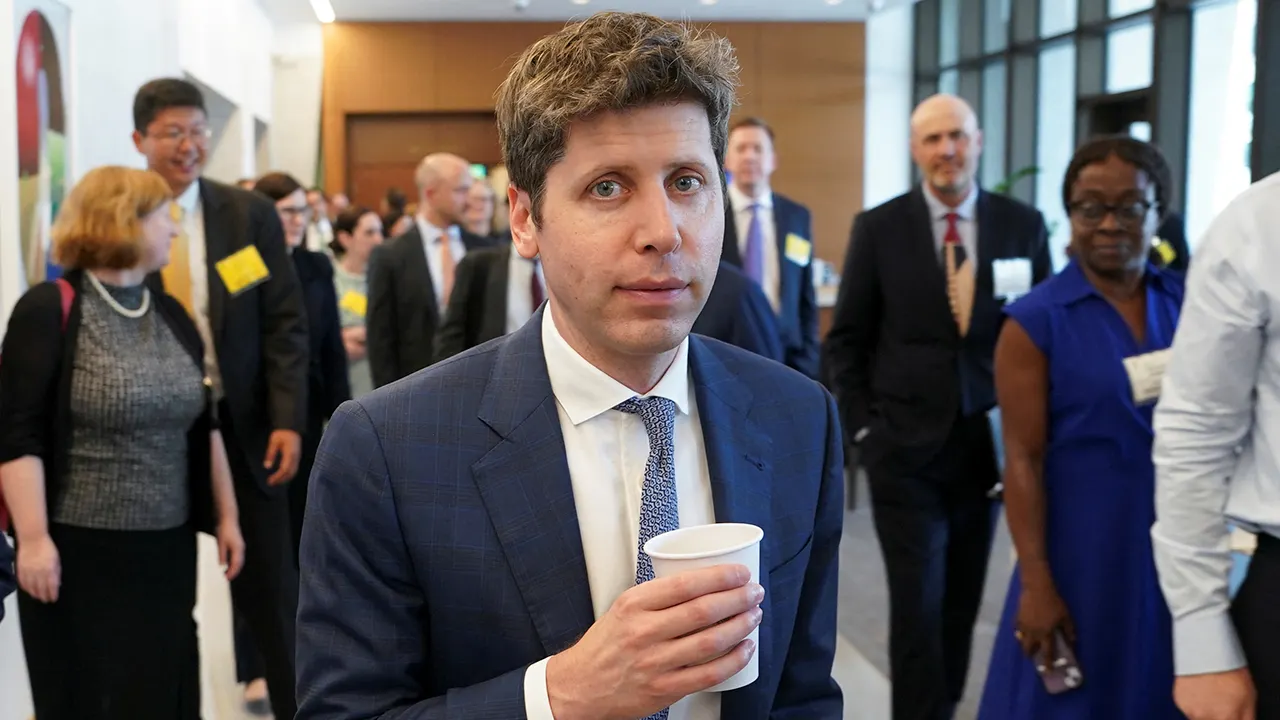
FOX Business correspondent Madison Alworth reports on Lonestar planning A.I. data centers in space, with satellites launching this fall and goals for lunar centers by 2030 on Varney & Co.
OpenAI CEO Sam Altman has expressed skepticism about the feasibility of space-based data centers in the near future, despite SpaceX CEO Elon Musk’s ambitions to deploy them. In an interview with Indian Express, Altman stated, “I honestly think the idea with the current landscape of putting data centers in space is ridiculous. It will make sense someday.”
Altman highlighted several challenges that space-based artificial intelligence (AI) data centers would face, including the high costs of launching satellites and the complexities of maintaining operations in orbit. “We are not there yet. There will come a time. Orbital data centers are not something that’s going to matter at scale this decade,” he added.
DATA CENTERS IN OUTER SPACE EMERGE AS SOLUTION TO AI’S MASSIVE ENERGY REQUIREMENTS
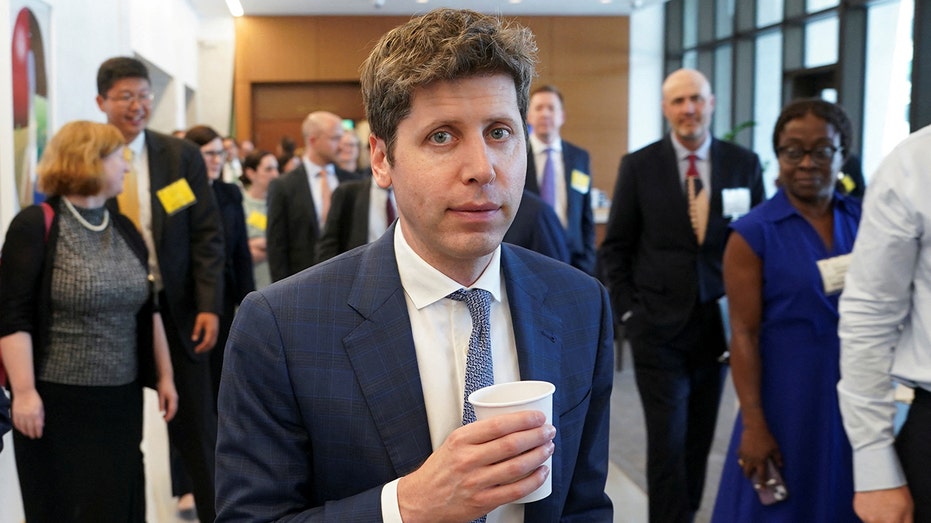
OpenAI CEO Sam Altman said that while space-based data centers may be viable in the future, they aren’t likely to be deployed at scale this decade. (Ken Cedeno/Reuters / Reuters)
SpaceX’s Musk recently stated that the energy demands of AI necessitate relocating data centers to space to alleviate environmental strain. “In the long term, space-based AI is obviously the only way to scale,” Musk asserted. “My estimate is that within 2 to 3 years, the lowest cost way to generate AI compute will be in space.”
SpaceX’s merger with xAI, the AI company founded by Musk, aims to create a company valued at over $1 trillion, facilitating plans to deploy data centers in space. This merger is expected to accelerate their efforts ahead of a planned initial public offering.
SPACEX ACQUIRES XAI IN RECORD-SETTING DEAL VALUED AT OVER $1T
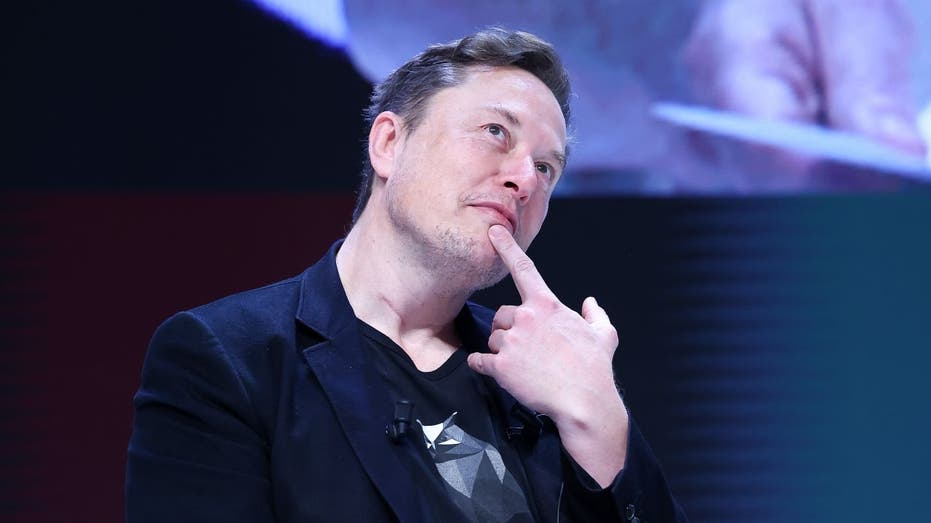
SpaceX CEO Elon Musk sees space-based data centers as a solution to environmental challenges they pose on Earth. (Marc Piasecki/Getty Images / Getty Images)
Recently, SpaceX filed a request with the Federal Communications Commission to launch up to 1 million satellites that would serve as data centers in Earth’s orbit. Musk outlined plans to deploy a million tons of satellites annually, each providing 100 kilowatts of compute power, which would add 100 gigawatts of AI computing capacity each year.
DATA CENTER BOOM POWERING AI REVOLUTION MAY DRAIN US GRIDS – AND WALLETS
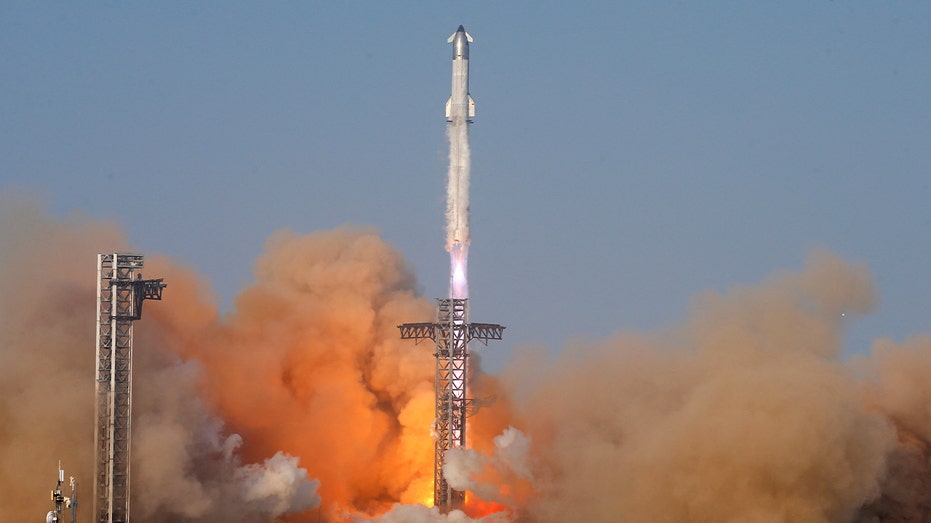
SpaceX is planning a constellation of satellites that can serve as space-based data centers. (Joe Skipper/Reuters)
Other tech giants are also exploring the potential of space-based data centers. Google CEO Sundar Pichai mentioned on “Fox News Sunday” that the company could deploy solar-powered data centers in space as early as next year under Project Suncatcher. Meanwhile, Amazon Web Services CEO Matt Garman noted at the Cisco AI Summit that the current rocket capacity is insufficient to launch a million satellites, indicating that significant challenges remain. “If you think about the cost of getting a payload in space today, it’s massive,” Garman remarked. “It is just not economical.”
FOX Business correspondent Madison Alworth reports on Lonestar planning A.I. data centers in space, with satellites launching this fall and goals for lunar centers by 2030 on Varney & Co.
OpenAI CEO Sam Altman has expressed skepticism about the feasibility of space-based data centers in the near future, despite SpaceX CEO Elon Musk’s ambitions to deploy them. In an interview with Indian Express, Altman stated, “I honestly think the idea with the current landscape of putting data centers in space is ridiculous. It will make sense someday.”
Altman highlighted several challenges that space-based artificial intelligence (AI) data centers would face, including the high costs of launching satellites and the complexities of maintaining operations in orbit. “We are not there yet. There will come a time. Orbital data centers are not something that’s going to matter at scale this decade,” he added.
DATA CENTERS IN OUTER SPACE EMERGE AS SOLUTION TO AI’S MASSIVE ENERGY REQUIREMENTS
OpenAI CEO Sam Altman said that while space-based data centers may be viable in the future, they aren’t likely to be deployed at scale this decade. (Ken Cedeno/Reuters / Reuters)
SpaceX’s Musk recently stated that the energy demands of AI necessitate relocating data centers to space to alleviate environmental strain. “In the long term, space-based AI is obviously the only way to scale,” Musk asserted. “My estimate is that within 2 to 3 years, the lowest cost way to generate AI compute will be in space.”
SpaceX’s merger with xAI, the AI company founded by Musk, aims to create a company valued at over $1 trillion, facilitating plans to deploy data centers in space. This merger is expected to accelerate their efforts ahead of a planned initial public offering.
SPACEX ACQUIRES XAI IN RECORD-SETTING DEAL VALUED AT OVER $1T
SpaceX CEO Elon Musk sees space-based data centers as a solution to environmental challenges they pose on Earth. (Marc Piasecki/Getty Images / Getty Images)
Recently, SpaceX filed a request with the Federal Communications Commission to launch up to 1 million satellites that would serve as data centers in Earth’s orbit. Musk outlined plans to deploy a million tons of satellites annually, each providing 100 kilowatts of compute power, which would add 100 gigawatts of AI computing capacity each year.
DATA CENTER BOOM POWERING AI REVOLUTION MAY DRAIN US GRIDS – AND WALLETS
SpaceX is planning a constellation of satellites that can serve as space-based data centers. (Joe Skipper/Reuters)
Other tech giants are also exploring the potential of space-based data centers. Google CEO Sundar Pichai mentioned on “Fox News Sunday” that the company could deploy solar-powered data centers in space as early as next year under Project Suncatcher. Meanwhile, Amazon Web Services CEO Matt Garman noted at the Cisco AI Summit that the current rocket capacity is insufficient to launch a million satellites, indicating that significant challenges remain. “If you think about the cost of getting a payload in space today, it’s massive,” Garman remarked. “It is just not economical.”