Senate Banking Committee Halts Crypto Bill Meeting Due to Rising Opposition
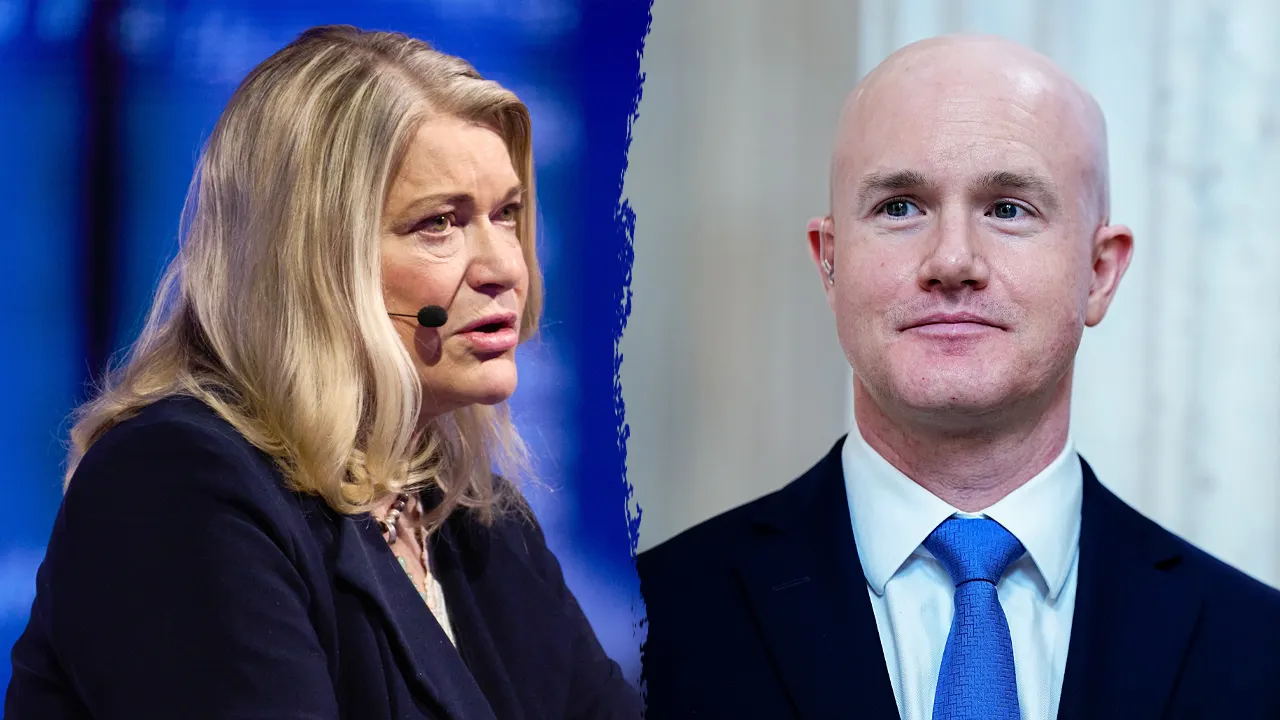
Fox News chief congressional correspondent Chad Pergram has the latest on delays to a crypto bill on Capitol Hill on ‘Special Report.’
It was a mega bill, involving significant megabytes and mega-dollars. However, it was ultimately hindered by a lack of consensus.
The Senate Banking Committee recently canceled a scheduled meeting intended to draft a bill that would establish marketplace rules for cryptocurrency and other digital assets. This meeting was highly anticipated, as lawmakers, aides, and lobbyists have been working on this legislation for years.
US FACING BIG POWER CRUNCH DRIVEN BY EXPLOSIVE AI GROWTH, CEO WARNS
The glitch in the Congressional matrix has stymied the legislation, leaving many advocates frustrated. “It was a blow,” lamented Sen. Cynthia Lummis, R-Wyo., a prominent supporter of cryptocurrency in Congress. “I feel a little bit like Flat Stanley after he got run over by the Mack Truck.”
Despite attempts to navigate the complexities of crypto regulation, everything went awry. One key industry player criticized the legislation, stating, “We’d rather have no bill than a bad bill.” Coinbase CEO Brian Armstrong expressed his concerns on social media, emphasizing the need for a better draft that would not negatively impact the 52 million Americans who use crypto.

Crypto market crashed hard back in October as billions wiped out in massive leveraged trading liquidations. ( Silas Stein/picture alliance via Getty Images / Getty Images)
Armstrong later appeared on Capitol Hill to elaborate on his statement, emphasizing his responsibility to advocate for customers. He noted that the current draft text would be materially worse for them, and he deferred to the Senate on procedural matters moving forward.
There’s a notable conflict between cryptocurrency advocates and certain factions within the banking industry. Banks are concerned that stablecoins, digital assets pegged to fixed holdings like gold or the dollar, could undermine their business. Last year, Congress passed The GENIUS Act, which established regulations for stablecoins, allowing some holders to earn “rewards” based on asset performance.
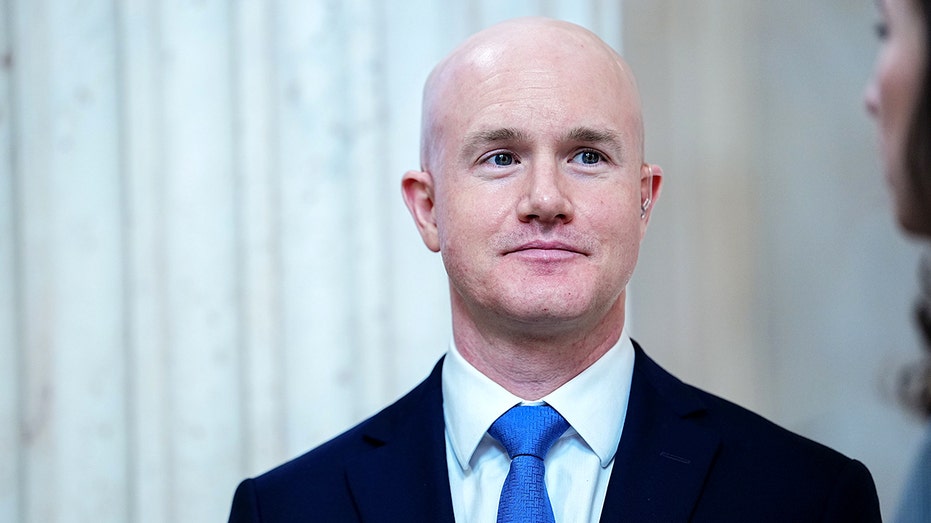
Brian Armstrong, chief executive officer of Coinbase Global Inc., during a television interview on Capitol Hill in Washington, DC, US, on Thursday, Jan. 15, 2026. The Senate Banking Committee delayed its discussion of a digital-asset bill amid debate (Aaron Schwartz/Bloomberg via Getty Images / Getty Images)
These rewards essentially function as “interest,” potentially offering returns higher than traditional bank accounts. Some banking industry representatives have urged lawmakers to reconsider this provision, even though it was recently enacted.
TRUMP SAYS HE WILL SUE JPMORGAN CHASE OVER ‘INCORRECT’ POST-JAN 6 DEBANKING
These demands have frustrated some Banking Committee members. Sen. Bernie Moreno, R-Ohio, suggested that traditional banking rules are outdated. “They have to come to consensus with the innovation community. If they can’t, then they’re going to have to live with the status quo,” he stated.
Interestingly, cryptocurrency played a significant role in Moreno’s election in 2024, where he defeated former Sen. Sherrod Brown, D-Ohio, who had reservations about crypto. Crypto-backed superPACs invested $40 million in the Moreno/Brown race, marking a successful effort by the crypto lobby in electoral politics.
Despite the setbacks, the crypto legislation remains on hold. One source described the situation as “messy.” Sen. Thom Tillis, R-N.C., who is retiring, predicted a successful markup of the crypto legislation “in the first quarter of this year.” Lummis also expressed concern about the timeline, noting that she may leave the Senate without action on her key issue.
“What it does is reset the clock a little bit for me,” said Lummis regarding the committee cancellation. “I have 11 more months to work on this and get it done and get it better.”
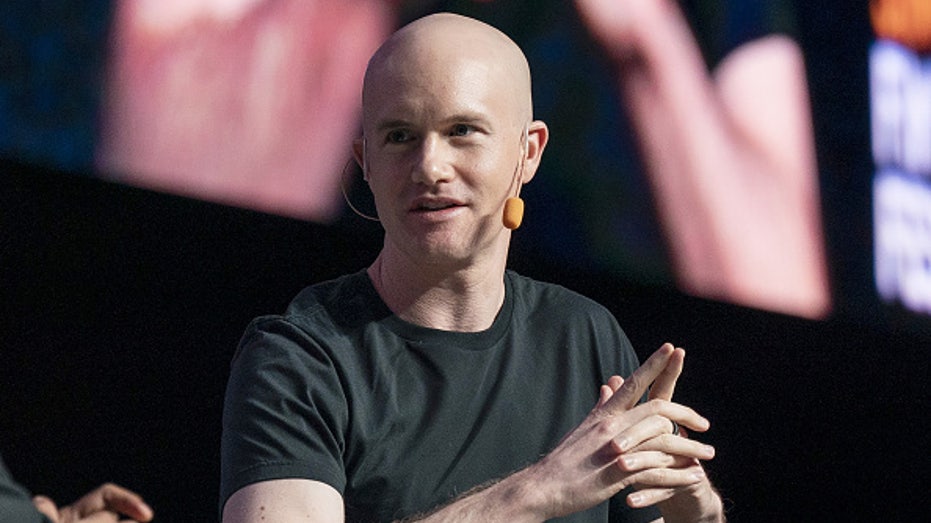
Brian Armstrong, co-founder and chief executive officer of Coinbase Inc., speaks during the Singapore Fintech Festival, in Singapore, on Friday, Nov. 4, 2022. (Bryan van der Beek/Bloomberg via Getty Images / Getty Images)
As January unfolds, the midterm election calendar looms as a potential threat. Interested parties have invested years into this bill, only to face a postponed session for its crafting.
“What does that do? That’s two more years where the U.S. is not leading the way in terms of the crypto market globally,” warned Blockchain Association CEO Peter Smith on FOX Business. “If this doesn’t pass now — and it’s been worked on already for about a year-and-a-half — that will result in a significant delay after the midterms.”
Lawmakers concerned about crypto regulation fear that the U.S. is falling behind. “We want to be the center of the global economy for the next generation. We’re not going to do that if we don’t get this right,” stated Rep. William Timmons, R-S.C.
Timmons emphasized that cryptocurrency could be a “very disruptive technology” that will “change everything in our financial system.” He believes that establishing a solid framework could bring “tens of billions of dollars” back to the U.S., while failing to do so could push crypto-related activities overseas, jeopardizing the U.S. economy and banking system.
WARREN LAUNCHES PROBE INTO MAJOR BANKS OVER TRUMP VENEZUELA OIL SALES
Sen. Tillis echoed these sentiments, stating, “People should care because if we don’t get it right, it could be destabilizing to their traditional community banking system.” He affirmed that the U.S. must adapt to remain the “gold standard” for global banking.
However, not everyone is on board with cryptocurrency. Rep. Brad Sherman, D-Calif., argued that crypto is a haven for crime and tax evasion, suggesting that society would be better off without it. “Clearly, we’d be better off without it. Not every invention is actually helpful,” he stated.
In contrast, House Financial Services Committee Chairman French Hill, R-Ark., defended the technology behind cryptocurrencies, arguing that it makes tracking transactions easier and is less conducive to criminal activity than cash.
CLICK HERE TO DOWNLOAD THE FOX NEWS APP
The New York Stock Exchange has announced plans to launch a platform for trading “tokenized” securities, utilizing blockchain technology. This platform would allow for instantaneous trades, operating 24/7, unlike traditional Wall Street trades that often take until the next business day to finalize.
The reality is that the free market is advancing rapidly, while Congress remains slow to adapt. If lawmakers continue to hesitate, the U.S. risks falling further behind in the evolving landscape of cryptocurrency.
Fox News chief congressional correspondent Chad Pergram has the latest on delays to a crypto bill on Capitol Hill on ‘Special Report.’
It was a mega bill, involving significant megabytes and mega-dollars. However, it was ultimately hindered by a lack of consensus.
The Senate Banking Committee recently canceled a scheduled meeting intended to draft a bill that would establish marketplace rules for cryptocurrency and other digital assets. This meeting was highly anticipated, as lawmakers, aides, and lobbyists have been working on this legislation for years.
US FACING BIG POWER CRUNCH DRIVEN BY EXPLOSIVE AI GROWTH, CEO WARNS
The glitch in the Congressional matrix has stymied the legislation, leaving many advocates frustrated. “It was a blow,” lamented Sen. Cynthia Lummis, R-Wyo., a prominent supporter of cryptocurrency in Congress. “I feel a little bit like Flat Stanley after he got run over by the Mack Truck.”
Despite attempts to navigate the complexities of crypto regulation, everything went awry. One key industry player criticized the legislation, stating, “We’d rather have no bill than a bad bill.” Coinbase CEO Brian Armstrong expressed his concerns on social media, emphasizing the need for a better draft that would not negatively impact the 52 million Americans who use crypto.
Crypto market crashed hard back in October as billions wiped out in massive leveraged trading liquidations. ( Silas Stein/picture alliance via Getty Images / Getty Images)
Armstrong later appeared on Capitol Hill to elaborate on his statement, emphasizing his responsibility to advocate for customers. He noted that the current draft text would be materially worse for them, and he deferred to the Senate on procedural matters moving forward.
There’s a notable conflict between cryptocurrency advocates and certain factions within the banking industry. Banks are concerned that stablecoins, digital assets pegged to fixed holdings like gold or the dollar, could undermine their business. Last year, Congress passed The GENIUS Act, which established regulations for stablecoins, allowing some holders to earn “rewards” based on asset performance.
Brian Armstrong, chief executive officer of Coinbase Global Inc., during a television interview on Capitol Hill in Washington, DC, US, on Thursday, Jan. 15, 2026. The Senate Banking Committee delayed its discussion of a digital-asset bill amid debate (Aaron Schwartz/Bloomberg via Getty Images / Getty Images)
These rewards essentially function as “interest,” potentially offering returns higher than traditional bank accounts. Some banking industry representatives have urged lawmakers to reconsider this provision, even though it was recently enacted.
TRUMP SAYS HE WILL SUE JPMORGAN CHASE OVER ‘INCORRECT’ POST-JAN 6 DEBANKING
These demands have frustrated some Banking Committee members. Sen. Bernie Moreno, R-Ohio, suggested that traditional banking rules are outdated. “They have to come to consensus with the innovation community. If they can’t, then they’re going to have to live with the status quo,” he stated.
Interestingly, cryptocurrency played a significant role in Moreno’s election in 2024, where he defeated former Sen. Sherrod Brown, D-Ohio, who had reservations about crypto. Crypto-backed superPACs invested $40 million in the Moreno/Brown race, marking a successful effort by the crypto lobby in electoral politics.
Despite the setbacks, the crypto legislation remains on hold. One source described the situation as “messy.” Sen. Thom Tillis, R-N.C., who is retiring, predicted a successful markup of the crypto legislation “in the first quarter of this year.” Lummis also expressed concern about the timeline, noting that she may leave the Senate without action on her key issue.
“What it does is reset the clock a little bit for me,” said Lummis regarding the committee cancellation. “I have 11 more months to work on this and get it done and get it better.”
Brian Armstrong, co-founder and chief executive officer of Coinbase Inc., speaks during the Singapore Fintech Festival, in Singapore, on Friday, Nov. 4, 2022. (Bryan van der Beek/Bloomberg via Getty Images / Getty Images)
As January unfolds, the midterm election calendar looms as a potential threat. Interested parties have invested years into this bill, only to face a postponed session for its crafting.
“What does that do? That’s two more years where the U.S. is not leading the way in terms of the crypto market globally,” warned Blockchain Association CEO Peter Smith on FOX Business. “If this doesn’t pass now — and it’s been worked on already for about a year-and-a-half — that will result in a significant delay after the midterms.”
Lawmakers concerned about crypto regulation fear that the U.S. is falling behind. “We want to be the center of the global economy for the next generation. We’re not going to do that if we don’t get this right,” stated Rep. William Timmons, R-S.C.
Timmons emphasized that cryptocurrency could be a “very disruptive technology” that will “change everything in our financial system.” He believes that establishing a solid framework could bring “tens of billions of dollars” back to the U.S., while failing to do so could push crypto-related activities overseas, jeopardizing the U.S. economy and banking system.
WARREN LAUNCHES PROBE INTO MAJOR BANKS OVER TRUMP VENEZUELA OIL SALES
Sen. Tillis echoed these sentiments, stating, “People should care because if we don’t get it right, it could be destabilizing to their traditional community banking system.” He affirmed that the U.S. must adapt to remain the “gold standard” for global banking.
However, not everyone is on board with cryptocurrency. Rep. Brad Sherman, D-Calif., argued that crypto is a haven for crime and tax evasion, suggesting that society would be better off without it. “Clearly, we’d be better off without it. Not every invention is actually helpful,” he stated.
In contrast, House Financial Services Committee Chairman French Hill, R-Ark., defended the technology behind cryptocurrencies, arguing that it makes tracking transactions easier and is less conducive to criminal activity than cash.
CLICK HERE TO DOWNLOAD THE FOX NEWS APP
The New York Stock Exchange has announced plans to launch a platform for trading “tokenized” securities, utilizing blockchain technology. This platform would allow for instantaneous trades, operating 24/7, unlike traditional Wall Street trades that often take until the next business day to finalize.
The reality is that the free market is advancing rapidly, while Congress remains slow to adapt. If lawmakers continue to hesitate, the U.S. risks falling further behind in the evolving landscape of cryptocurrency.