Solving the Home Care Quandary
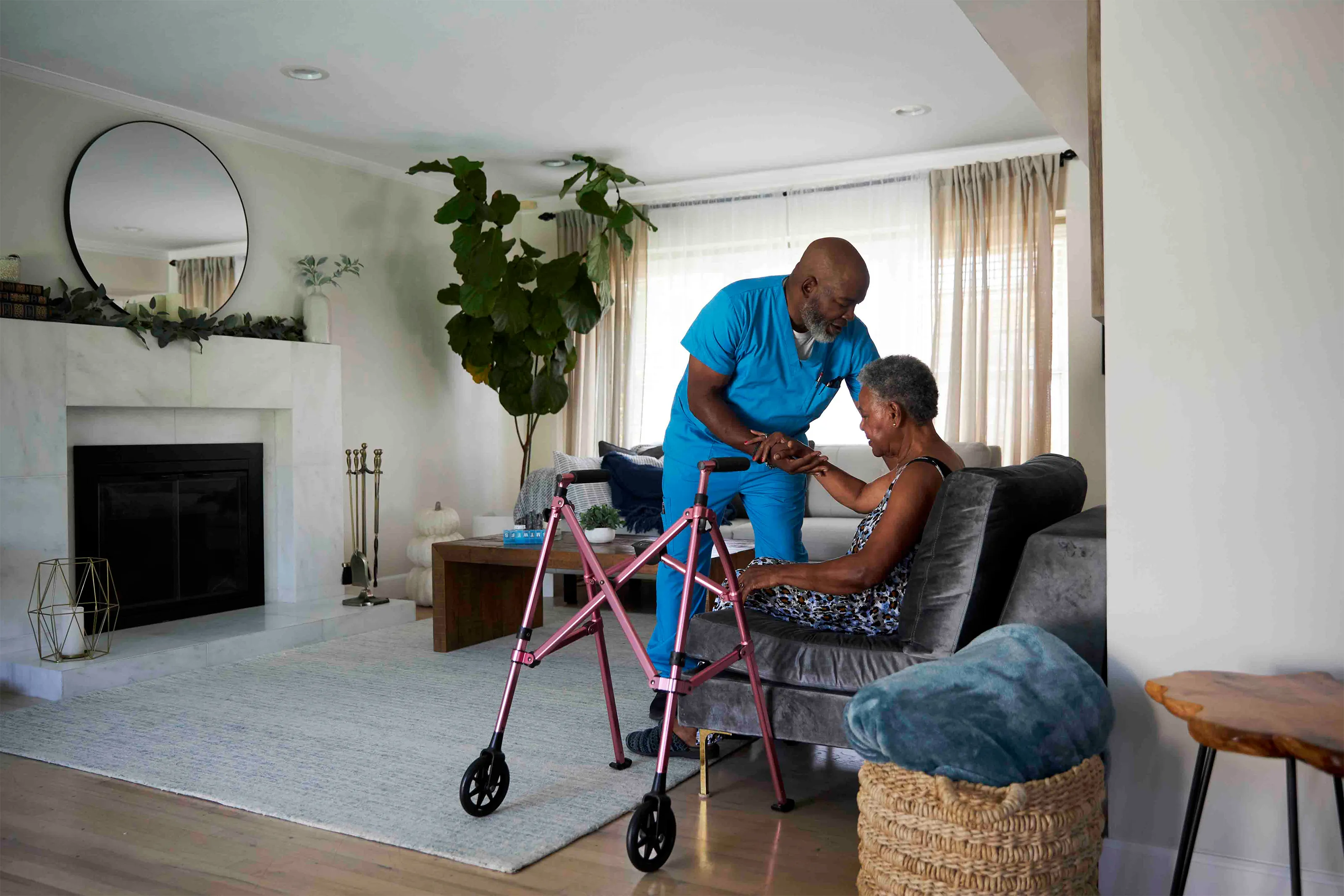
As you prepare to leave the hospital, you may find yourself feeling unready to care for yourself at home. Alternatively, after spending a few weeks in rehabilitation, you might question your ability to manage a complex medication regimen, along with the tasks of shopping and cooking.
Perhaps a recent fall in the shower has prompted your family to suggest arranging assistance for bathing and dressing. While there are facilities that provide such help, many older adults prefer to remain in their own homes. This preference poses a significant challenge.
When older individuals face difficulties with daily activities due to frailty, chronic illnesses, or the loss of a spouse, they often resist the idea of moving. For decades, surveys have consistently shown that most older adults wish to stay in their homes for as long as possible.
This desire necessitates home care, whether from family, friends, paid caregivers, or a combination of these. However, the paid home care sector is currently strained, grappling with a labor shortage that intensifies as the aging population increases demand.
“It’s a crisis,” states Madeline Sterling, a primary care doctor at Weill Cornell Medicine and director of Cornell University’s Initiative on Home Care Work. “It’s not really working for the people involved,” whether they are patients, family members, or home care workers.
“This isn’t just a future concern,” emphasizes Steven Landers, CEO of the National Alliance for Care at Home. “A quick Indeed.com search for home care aides in any town reveals a staggering number of job listings.”
Despite this challenging landscape, some innovative alternatives are emerging to enhance home care jobs and improve patient care. Home care is already one of the nation’s fastest-growing occupations, with 3.2 million home health aides and personal care aides employed in 2024, a significant increase from 1.4 million a decade ago, according to PHI, a research and advocacy organization.
However, the nation will require approximately 740,000 additional home care workers over the next decade, as reported by the Bureau of Labor Statistics. Recruiting these workers will be challenging, especially given the high costs to consumers—averaging $34 per hour for a home health aide in 2024, according to the annual Genworth/CareScout survey.
Unfortunately, aides typically earn less than $17 an hour on average. These jobs remain unstable and low-paying, with about a third of the largely female workforce being immigrants. Many live in low-income households and rely on public assistance.
Unsurprisingly, the turnover rate in this sector approaches 80% annually, as highlighted by a survey from the ICA Group, a nonprofit organization promoting co-ops.
Yet, there are exceptions. One promising innovation is the rise of home care cooperatives owned by the workers themselves. The largest, Cooperative Home Care Associates in the Bronx, began in 1985 and now employs around 1,600 home care aides. The ICA Group currently recognizes 26 such worker-owned home care businesses across the nation.
“These co-ops are achieving remarkable results,” says Geoffrey Gusoff, a family medicine doctor and health services researcher at UCLA. “They experience half the turnover of traditional agencies, retain clients twice as long, and pay their owner-employees $2 more an hour.”
In a qualitative study published in JAMA Network Open, co-op members expressed that their greatest satisfaction came not from compensation but from having more say over working conditions, patient care, and the administration of the co-op itself.
Through initiatives that provide financing, business coaching, and technical assistance, the ICA Group aims to increase the number of co-ops to 50 within five years and 100 by 2040.
Another growing approach involves registries that connect home care workers directly with clients, often bypassing agencies that take a significant portion of the fees. One of the largest registries, Carina, serves clients and workers in Oregon and Washington and operates as a free “digital hiring hall.”
Hourly rates for independent providers found on Carina are typically lower than agency charges, with wages starting at $20, along with benefits like health insurance and paid time off.
Additionally, recent studies suggest that enhanced training for home care workers can yield significant benefits. Sterling notes that home care workers are often the first to identify troubling symptoms in patients with complex conditions.
In a recent clinical trial, home health aides caring for patients with heart failure received a 90-minute virtual training module on symptoms and management. The results showed improved knowledge and confidence among aides, leading to fewer emergency room visits for their patients.
While these small-scale innovations do not directly address the overarching issue of cost, they have the potential to reduce expenses and expand home care options through federal or state programs. Various tests and pilots are currently underway.
“Home care workers possess valuable insights into patients’ conditions,” Sterling emphasizes. “Training them and providing technological tools can help us keep patients at home, utilizing the workforce that is already in place.”
The New Old Age is produced through a partnership with The New York Times.
As you prepare to leave the hospital, you may find yourself feeling unready to care for yourself at home. Alternatively, after spending a few weeks in rehabilitation, you might question your ability to manage a complex medication regimen, along with the tasks of shopping and cooking.
Perhaps a recent fall in the shower has prompted your family to suggest arranging assistance for bathing and dressing. While there are facilities that provide such help, many older adults prefer to remain in their own homes. This preference poses a significant challenge.
When older individuals face difficulties with daily activities due to frailty, chronic illnesses, or the loss of a spouse, they often resist the idea of moving. For decades, surveys have consistently shown that most older adults wish to stay in their homes for as long as possible.
This desire necessitates home care, whether from family, friends, paid caregivers, or a combination of these. However, the paid home care sector is currently strained, grappling with a labor shortage that intensifies as the aging population increases demand.
“It’s a crisis,” states Madeline Sterling, a primary care doctor at Weill Cornell Medicine and director of Cornell University’s Initiative on Home Care Work. “It’s not really working for the people involved,” whether they are patients, family members, or home care workers.
“This isn’t just a future concern,” emphasizes Steven Landers, CEO of the National Alliance for Care at Home. “A quick Indeed.com search for home care aides in any town reveals a staggering number of job listings.”
Despite this challenging landscape, some innovative alternatives are emerging to enhance home care jobs and improve patient care. Home care is already one of the nation’s fastest-growing occupations, with 3.2 million home health aides and personal care aides employed in 2024, a significant increase from 1.4 million a decade ago, according to PHI, a research and advocacy organization.
However, the nation will require approximately 740,000 additional home care workers over the next decade, as reported by the Bureau of Labor Statistics. Recruiting these workers will be challenging, especially given the high costs to consumers—averaging $34 per hour for a home health aide in 2024, according to the annual Genworth/CareScout survey.
Unfortunately, aides typically earn less than $17 an hour on average. These jobs remain unstable and low-paying, with about a third of the largely female workforce being immigrants. Many live in low-income households and rely on public assistance.
Unsurprisingly, the turnover rate in this sector approaches 80% annually, as highlighted by a survey from the ICA Group, a nonprofit organization promoting co-ops.
Yet, there are exceptions. One promising innovation is the rise of home care cooperatives owned by the workers themselves. The largest, Cooperative Home Care Associates in the Bronx, began in 1985 and now employs around 1,600 home care aides. The ICA Group currently recognizes 26 such worker-owned home care businesses across the nation.
“These co-ops are achieving remarkable results,” says Geoffrey Gusoff, a family medicine doctor and health services researcher at UCLA. “They experience half the turnover of traditional agencies, retain clients twice as long, and pay their owner-employees $2 more an hour.”
In a qualitative study published in JAMA Network Open, co-op members expressed that their greatest satisfaction came not from compensation but from having more say over working conditions, patient care, and the administration of the co-op itself.
Through initiatives that provide financing, business coaching, and technical assistance, the ICA Group aims to increase the number of co-ops to 50 within five years and 100 by 2040.
Another growing approach involves registries that connect home care workers directly with clients, often bypassing agencies that take a significant portion of the fees. One of the largest registries, Carina, serves clients and workers in Oregon and Washington and operates as a free “digital hiring hall.”
Hourly rates for independent providers found on Carina are typically lower than agency charges, with wages starting at $20, along with benefits like health insurance and paid time off.
Additionally, recent studies suggest that enhanced training for home care workers can yield significant benefits. Sterling notes that home care workers are often the first to identify troubling symptoms in patients with complex conditions.
In a recent clinical trial, home health aides caring for patients with heart failure received a 90-minute virtual training module on symptoms and management. The results showed improved knowledge and confidence among aides, leading to fewer emergency room visits for their patients.
While these small-scale innovations do not directly address the overarching issue of cost, they have the potential to reduce expenses and expand home care options through federal or state programs. Various tests and pilots are currently underway.
“Home care workers possess valuable insights into patients’ conditions,” Sterling emphasizes. “Training them and providing technological tools can help us keep patients at home, utilizing the workforce that is already in place.”
The New Old Age is produced through a partnership with The New York Times.