South Texas Homebuilders Alert: ICE Arrests Disrupt Industry Dynamics
In mid-November, Mario Guerrero, the executive director of the South Texas Builders Association, was scrolling through a group chat when a shocking video caught his attention. It showed federal agents detaining workers at a construction site in the picturesque Rio Grande Valley.
Guerrero had been following similar incidents for nearly a year, witnessing the impact of Immigration and Customs Enforcement (ICE) raids on the local construction workforce. This particular video felt like the last straw.
The fear instilled by these raids has led many construction workers to stay home, resulting in a significant labor shortage. According to government data obtained through a FOIA request, ICE has arrested over 9,100 individuals in South Texas, accounting for nearly one-fifth of all such arrests in Texas since the Trump administration began.
This labor shortage has caused construction projects to slow down, which economists warn will lead to rising housing costs, even as Texas officials strive to reduce them.
Later that day, Guerrero took to Facebook to address the construction community, local officials, and the public. “I would like to start off this video by saying that I am an American citizen, and it’s crazy that we’re living in times where you actually have to state that,” he began.
While he acknowledged the importance of law enforcement, Guerrero expressed concern over ICE agents operating without arrest warrants, detaining individuals who possess proper work authorization. “It’s what’s happening across the Rio Grande Valley at construction sites,” he stated.
He concluded the video by urging local leaders to attend a meeting later that month to discuss the ongoing challenges facing the construction industry due to ICE raids. “Our people are hurting, our businesses are hurting. There’s no labor,” he emphasized.
Guerrero’s candid remarks resonated with the Rio Grande Valley community, which had long suspected that the construction industry was suffering but had yet to hear an official acknowledgment. Data from the Federal Reserve of Dallas indicates a 5% drop in construction jobs during the third quarter of this year, marking the largest decline in the region.
ICE did not respond to requests for comment from The Texas Tribune.
On the day of the meeting, over 380 individuals filled the Brookhaven Event Center in Pharr, representing various sectors of construction and development. Attendees included concrete suppliers, lumber companies, real estate professionals, and lenders, along with several elected officials.
During the meeting, industry representatives shared the challenges their businesses faced due to workers’ fears of ICE raids. “Business is down significantly,” said Ronnie Cavazos, board president of the South Texas Builders Association. “If we continue on this trajectory, we will see a lot of businesses fail.”
Isaac Smith, co-owner of Matt’s Building Materials, echoed these concerns, noting that his family’s stores were struggling to move lumber. “If job sites are getting raided, at any level, the construction can’t continue,” he explained.
Smith reported a double-digit decline in sales since the ICE operations began, along with an increase in late payments from customers. “That takes an adverse effect on our cash flow,” he added.
During the meeting, Cavazos highlighted the human aspect of the situation, stating, “Let me tell you about immigrants in this country. Nobody believes in the American dream more than them.” He called for immigrants to be celebrated and treated with dignity.
As videos of ICE operations circulate, workers like Jesus, a 42-year-old construction worker, have drastically reduced their job intake due to fear. “We hardly work anymore; we’re afraid to go out into the street,” he shared, estimating his income has dropped by 60% since the raids began.
He lamented, “We wish it would stop, but we don’t control these things. The government does.”
The labor shortage in construction could lead to delays in building homes, exacerbating the housing crisis and driving prices up. Historical data suggests that immigration policy changes have previously impacted housing affordability. For instance, during the Obama administration’s Secure Communities program, deportations led to a labor shortage in construction, resulting in fewer new homes and increased prices.
Since the meeting, Guerrero has gained unexpected attention, including from U.S. Rep. Henry Cuellar, who expressed interest in addressing the issue at the congressional level. Guerrero also met with Governor Greg Abbott, who appeared to recognize him during their brief exchange.
Despite receiving some negative feedback on social media, Guerrero remains undeterred. He has invited more elected officials to future meetings, hoping to raise awareness about the challenges faced by the construction industry.
“People maybe don’t understand the magnitude of what’s happening,” Guerrero said. “But that’s where we have to come together as human beings.”
Reporting in the Rio Grande Valley is supported in part by the Methodist Healthcare Ministries of South Texas, Inc.
Disclosure: Facebook has been a financial supporter of The Texas Tribune, a nonprofit, nonpartisan news organization funded by donations. Financial supporters do not influence the Tribune’s journalism. Find a complete list of them here.
This article first appeared on The Texas Tribune.
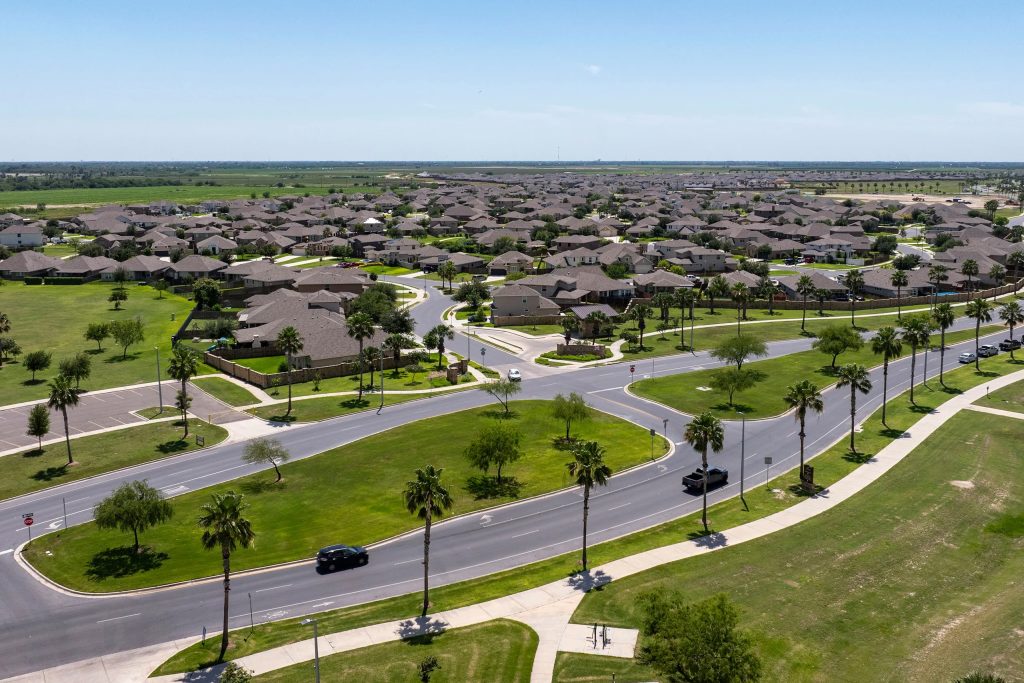
Photo: A group of home builders in the Rio Grande Valley said construction has slowed amid an increase in arrests by immigration officers. Michael Gonzalez for The Texas Tribune
Topics
Texas
In mid-November, Mario Guerrero, the executive director of the South Texas Builders Association, was scrolling through a group chat when a shocking video caught his attention. It showed federal agents detaining workers at a construction site in the picturesque Rio Grande Valley.
Guerrero had been following similar incidents for nearly a year, witnessing the impact of Immigration and Customs Enforcement (ICE) raids on the local construction workforce. This particular video felt like the last straw.
The fear instilled by these raids has led many construction workers to stay home, resulting in a significant labor shortage. According to government data obtained through a FOIA request, ICE has arrested over 9,100 individuals in South Texas, accounting for nearly one-fifth of all such arrests in Texas since the Trump administration began.
This labor shortage has caused construction projects to slow down, which economists warn will lead to rising housing costs, even as Texas officials strive to reduce them.
Later that day, Guerrero took to Facebook to address the construction community, local officials, and the public. “I would like to start off this video by saying that I am an American citizen, and it’s crazy that we’re living in times where you actually have to state that,” he began.
While he acknowledged the importance of law enforcement, Guerrero expressed concern over ICE agents operating without arrest warrants, detaining individuals who possess proper work authorization. “It’s what’s happening across the Rio Grande Valley at construction sites,” he stated.
He concluded the video by urging local leaders to attend a meeting later that month to discuss the ongoing challenges facing the construction industry due to ICE raids. “Our people are hurting, our businesses are hurting. There’s no labor,” he emphasized.
Guerrero’s candid remarks resonated with the Rio Grande Valley community, which had long suspected that the construction industry was suffering but had yet to hear an official acknowledgment. Data from the Federal Reserve of Dallas indicates a 5% drop in construction jobs during the third quarter of this year, marking the largest decline in the region.
ICE did not respond to requests for comment from The Texas Tribune.
On the day of the meeting, over 380 individuals filled the Brookhaven Event Center in Pharr, representing various sectors of construction and development. Attendees included concrete suppliers, lumber companies, real estate professionals, and lenders, along with several elected officials.
During the meeting, industry representatives shared the challenges their businesses faced due to workers’ fears of ICE raids. “Business is down significantly,” said Ronnie Cavazos, board president of the South Texas Builders Association. “If we continue on this trajectory, we will see a lot of businesses fail.”
Isaac Smith, co-owner of Matt’s Building Materials, echoed these concerns, noting that his family’s stores were struggling to move lumber. “If job sites are getting raided, at any level, the construction can’t continue,” he explained.
Smith reported a double-digit decline in sales since the ICE operations began, along with an increase in late payments from customers. “That takes an adverse effect on our cash flow,” he added.
During the meeting, Cavazos highlighted the human aspect of the situation, stating, “Let me tell you about immigrants in this country. Nobody believes in the American dream more than them.” He called for immigrants to be celebrated and treated with dignity.
As videos of ICE operations circulate, workers like Jesus, a 42-year-old construction worker, have drastically reduced their job intake due to fear. “We hardly work anymore; we’re afraid to go out into the street,” he shared, estimating his income has dropped by 60% since the raids began.
He lamented, “We wish it would stop, but we don’t control these things. The government does.”
The labor shortage in construction could lead to delays in building homes, exacerbating the housing crisis and driving prices up. Historical data suggests that immigration policy changes have previously impacted housing affordability. For instance, during the Obama administration’s Secure Communities program, deportations led to a labor shortage in construction, resulting in fewer new homes and increased prices.
Since the meeting, Guerrero has gained unexpected attention, including from U.S. Rep. Henry Cuellar, who expressed interest in addressing the issue at the congressional level. Guerrero also met with Governor Greg Abbott, who appeared to recognize him during their brief exchange.
Despite receiving some negative feedback on social media, Guerrero remains undeterred. He has invited more elected officials to future meetings, hoping to raise awareness about the challenges faced by the construction industry.
“People maybe don’t understand the magnitude of what’s happening,” Guerrero said. “But that’s where we have to come together as human beings.”
Reporting in the Rio Grande Valley is supported in part by the Methodist Healthcare Ministries of South Texas, Inc.
Disclosure: Facebook has been a financial supporter of The Texas Tribune, a nonprofit, nonpartisan news organization funded by donations. Financial supporters do not influence the Tribune’s journalism. Find a complete list of them here.
This article first appeared on The Texas Tribune.
Photo: A group of home builders in the Rio Grande Valley said construction has slowed amid an increase in arrests by immigration officers. Michael Gonzalez for The Texas Tribune
Topics
Texas