Supreme Court Decision May Unlock $160 Billion in Tariff Rebates for Businesses
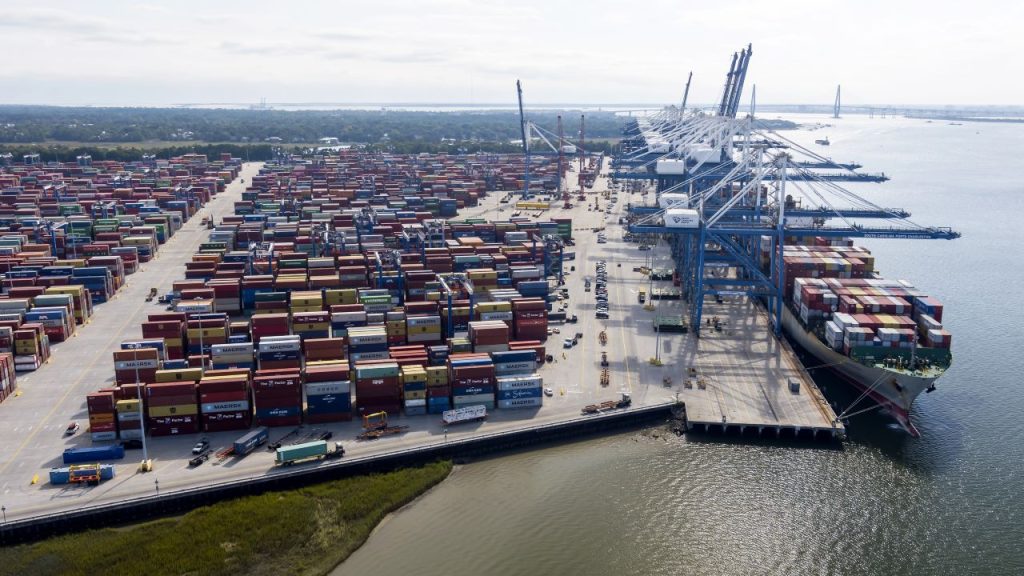
The Big Money Show panel breaks down the Supreme Court’s 6-3 decision striking down President Donald Trump’s sweeping tariffs, what it means for billions in potential refunds, and how the administration’s Plan B could reshape the trade fight.
The Supreme Court on Friday struck down a significant portion of the Trump administration’s tariffs, ruling that they were imposed illegally under an emergency economic powers law.
The Court issued a 6-3 ruling, determining that President Donald Trump’s use of the International Emergency Economic Powers Act (IEEPA) was illegal, as the law “does not authorize the President to impose tariffs.” The cases—Learning Resources Inc. v. Trump and Trump v. V.O.S. Selections—were brought by two small businesses: an educational toy manufacturer and a family-owned wine and spirits importer.
Chief Justice John Roberts authored the majority opinion, which notably did not address the issue of tariff refunds. Justice Brett Kavanaugh, one of the dissenters, remarked that the distribution of tariff refunds was described during oral arguments as “likely to be a ‘mess’.”
“The United States may be required to refund billions of dollars to importers who paid the IEEPA tariffs, even though some importers may have already passed on costs to consumers or others,” Kavanaugh wrote. “Refunds of billions of dollars would have significant consequences for the U.S. Treasury. The Court says nothing today about whether, and if so how, the Government should go about returning the billions of dollars that it has collected from importers.”
SUPREME COURT DEALS BLOW TO TRUMP’S TRADE AGENDA IN LANDMARK TARIFF CASE
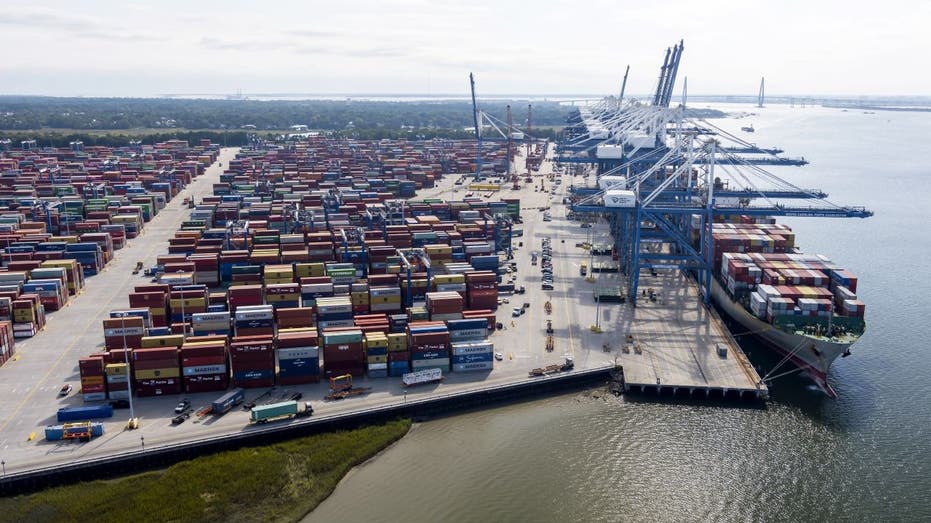
The Supreme Court’s ruling didn’t outline a process for how tariff refunds may proceed. (Sam Wolfe/Bloomberg via Getty Images / Getty Images)
While the Court’s ruling does not explicitly outline a process for refunds, importers who paid IEEPA tariffs will have the opportunity to pursue litigation for those refunds. This could occur through claims made via the U.S. Court of International Trade or through appeals to Customs and Border Protection, which collects tariffs and duties on behalf of the Department of Homeland Security and remits them to the Treasury Department. Importers typically have 180 days after goods are “liquidated” to file a protest and request refunds from CBP, which may influence what importers are eligible to receive.
KEVIN HASSETT SAYS FED ECONOMISTS SHOULD BE ‘DISCIPLINED’ OVER TARIFF STUDY
The nonpartisan Penn-Wharton Budget Model estimates that the reversal of the IEEPA tariffs could generate up to $175 billion in refunds. A similar analysis by the nonpartisan Tax Foundation suggests that over $160 billion of tariffs were illegally collected under IEEPA through February 20 of this year. They stated that, “If the IEEPA tariffs are fully refunded to U.S. importers, it would erase nearly three-fourths of the new revenues from President Trump’s tariffs. The U.S. government should make the process for importers to receive their refunds as simple and transparent as possible.”

President Donald Trump said the issue of tariff refunds will play out in court. (Denis Balibouse/Reuters)
What the Trump administration is saying about tariff refunds
Trump expressed disappointment at a press conference, stating that he is “ashamed of certain members of the Court” for “not having the courage to do what’s right for our country.” He criticized the Supreme Court for not addressing tariff refunds in their decision, suggesting that the matter will be litigated further.
“I guess it has to get litigated for the next two years. So they write this terrible defective decision, totally defective. It’s almost like not written by smart people. And what they do, they don’t even talk about that,” Trump remarked.
BATTLEGROUND STATES SHOULDER BURDEN OF TRUMP’S TARIFFS AS MIDTERM MESSAGING RAMPS UP
Treasury Secretary Scott Bessent mentioned in a January interview that while issuing refunds wouldn’t be a problem, it could take a significant amount of time. “We’re not talking about the money all goes out in a day. Probably over weeks, months, may take over a year, right?” he stated.
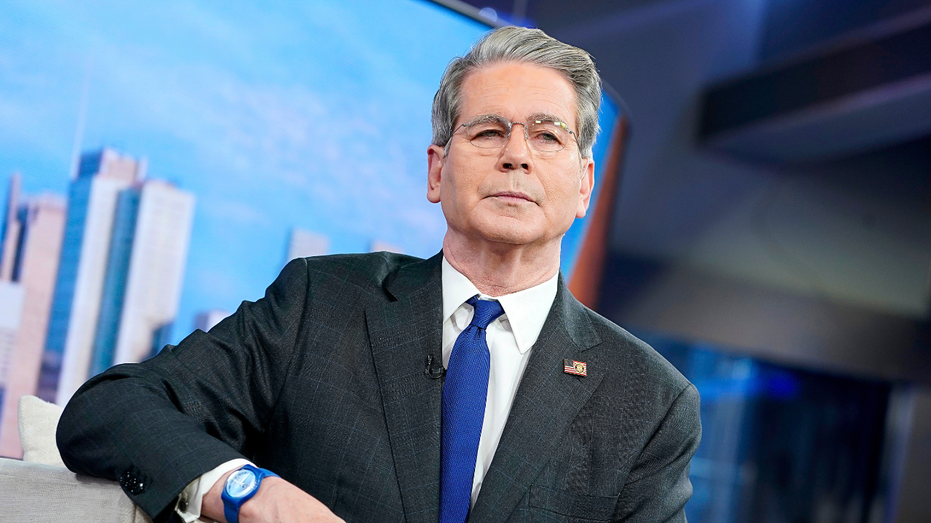
Treasury Secretary Scott Bessent said last month that the Treasury has the funds to issue tariff refunds, but warned the process may be time-consuming. (John Lamparski/Getty Images)
What experts are saying
Tim Brightbill, co-chair of Wiley International Trade Practice Group, stated that the Supreme Court ruling “could lead to the refund of hundreds of billions of dollars in tariff revenue – so the question of whether there will be a refund process and what it will look like is extremely important.” He noted that over 1,000 lawsuits have already been filed at the U.S. Court of International Trade to secure tariff refunds in light of the Supreme Court’s decision against the IEEPA tariffs.
David McGarry, research director at the Taxpayers Protection Alliance, emphasized that while the decision does not clarify how the refunds will be returned, litigation on behalf of many businesses affected by the tariffs is already underway. “The Supreme Court has ruled, and it is now the obligation of the Trump administration to ensure that this process carries on at minimal cost to American businesses—especially small businesses,” he added.
TARIFFS MAY HAVE COST US ECONOMY THOUSANDS OF JOBS MONTHLY, FED ANALYSIS FINDS

Trump’s IEEPA tariffs were ruled illegal, as the underlying law doesn’t authorize the president to impose tariffs. (Chip Somodevilla/Getty Images)
Scott Lincicome, vice president of general economics at the Cato Institute’s Herbert A. Stiefel Center for Trade Policy Studies, stated, “Most immediately, the federal government must refund the tens of billions of dollars in customs duties that it illegally collected from American companies pursuant to an ‘IEEPA tariff authority’ it never actually had.” He added that while the refund process could be straightforward, it is likely to involve more litigation and paperwork, which could be particularly burdensome for smaller importers.
US BUSINESSES SHIFT AWAY FROM CHINA UNDER TRUMP TARIFFS
Nixon Peabody partner Joseph Maher, who served as the principal deputy general counsel of the Department of Homeland Security between 2011 and 2024, noted that further litigation in the Court of International Trade will be necessary to determine the remedies available for tariffs already paid. He advised U.S. importers to remain vigilant in protecting their interests regarding payments made over the past year.
JPMorgan chief economist Michael Feroli indicated that tariff rebates could present an upside risk to the economy, although he acknowledged that the full amount or timing of any such rebates remains uncertain. “While the official data from CBP is a bit stale, we estimate the amount at stake to be around $150-200 billion. If the rebates were passed on to consumers, the boost to activity would be significant,” he explained.
GET FOX BUSINESS ON THE GO BY CLICKING HERE
Heather Long, chief economist at Navy Federal Credit Union, pointed out that “small firms may struggle to get any money back from the U.S. Treasury,” suggesting that it’s “likely the White House will fight against issuing refunds at all.”
The Big Money Show panel breaks down the Supreme Court’s 6-3 decision striking down President Donald Trump’s sweeping tariffs, what it means for billions in potential refunds, and how the administration’s Plan B could reshape the trade fight.
The Supreme Court on Friday struck down a significant portion of the Trump administration’s tariffs, ruling that they were imposed illegally under an emergency economic powers law.
The Court issued a 6-3 ruling, determining that President Donald Trump’s use of the International Emergency Economic Powers Act (IEEPA) was illegal, as the law “does not authorize the President to impose tariffs.” The cases—Learning Resources Inc. v. Trump and Trump v. V.O.S. Selections—were brought by two small businesses: an educational toy manufacturer and a family-owned wine and spirits importer.
Chief Justice John Roberts authored the majority opinion, which notably did not address the issue of tariff refunds. Justice Brett Kavanaugh, one of the dissenters, remarked that the distribution of tariff refunds was described during oral arguments as “likely to be a ‘mess’.”
“The United States may be required to refund billions of dollars to importers who paid the IEEPA tariffs, even though some importers may have already passed on costs to consumers or others,” Kavanaugh wrote. “Refunds of billions of dollars would have significant consequences for the U.S. Treasury. The Court says nothing today about whether, and if so how, the Government should go about returning the billions of dollars that it has collected from importers.”
SUPREME COURT DEALS BLOW TO TRUMP’S TRADE AGENDA IN LANDMARK TARIFF CASE
The Supreme Court’s ruling didn’t outline a process for how tariff refunds may proceed. (Sam Wolfe/Bloomberg via Getty Images / Getty Images)
While the Court’s ruling does not explicitly outline a process for refunds, importers who paid IEEPA tariffs will have the opportunity to pursue litigation for those refunds. This could occur through claims made via the U.S. Court of International Trade or through appeals to Customs and Border Protection, which collects tariffs and duties on behalf of the Department of Homeland Security and remits them to the Treasury Department. Importers typically have 180 days after goods are “liquidated” to file a protest and request refunds from CBP, which may influence what importers are eligible to receive.
KEVIN HASSETT SAYS FED ECONOMISTS SHOULD BE ‘DISCIPLINED’ OVER TARIFF STUDY
The nonpartisan Penn-Wharton Budget Model estimates that the reversal of the IEEPA tariffs could generate up to $175 billion in refunds. A similar analysis by the nonpartisan Tax Foundation suggests that over $160 billion of tariffs were illegally collected under IEEPA through February 20 of this year. They stated that, “If the IEEPA tariffs are fully refunded to U.S. importers, it would erase nearly three-fourths of the new revenues from President Trump’s tariffs. The U.S. government should make the process for importers to receive their refunds as simple and transparent as possible.”
President Donald Trump said the issue of tariff refunds will play out in court. (Denis Balibouse/Reuters)
What the Trump administration is saying about tariff refunds
Trump expressed disappointment at a press conference, stating that he is “ashamed of certain members of the Court” for “not having the courage to do what’s right for our country.” He criticized the Supreme Court for not addressing tariff refunds in their decision, suggesting that the matter will be litigated further.
“I guess it has to get litigated for the next two years. So they write this terrible defective decision, totally defective. It’s almost like not written by smart people. And what they do, they don’t even talk about that,” Trump remarked.
BATTLEGROUND STATES SHOULDER BURDEN OF TRUMP’S TARIFFS AS MIDTERM MESSAGING RAMPS UP
Treasury Secretary Scott Bessent mentioned in a January interview that while issuing refunds wouldn’t be a problem, it could take a significant amount of time. “We’re not talking about the money all goes out in a day. Probably over weeks, months, may take over a year, right?” he stated.
Treasury Secretary Scott Bessent said last month that the Treasury has the funds to issue tariff refunds, but warned the process may be time-consuming. (John Lamparski/Getty Images)
What experts are saying
Tim Brightbill, co-chair of Wiley International Trade Practice Group, stated that the Supreme Court ruling “could lead to the refund of hundreds of billions of dollars in tariff revenue – so the question of whether there will be a refund process and what it will look like is extremely important.” He noted that over 1,000 lawsuits have already been filed at the U.S. Court of International Trade to secure tariff refunds in light of the Supreme Court’s decision against the IEEPA tariffs.
David McGarry, research director at the Taxpayers Protection Alliance, emphasized that while the decision does not clarify how the refunds will be returned, litigation on behalf of many businesses affected by the tariffs is already underway. “The Supreme Court has ruled, and it is now the obligation of the Trump administration to ensure that this process carries on at minimal cost to American businesses—especially small businesses,” he added.
TARIFFS MAY HAVE COST US ECONOMY THOUSANDS OF JOBS MONTHLY, FED ANALYSIS FINDS
Trump’s IEEPA tariffs were ruled illegal, as the underlying law doesn’t authorize the president to impose tariffs. (Chip Somodevilla/Getty Images)
Scott Lincicome, vice president of general economics at the Cato Institute’s Herbert A. Stiefel Center for Trade Policy Studies, stated, “Most immediately, the federal government must refund the tens of billions of dollars in customs duties that it illegally collected from American companies pursuant to an ‘IEEPA tariff authority’ it never actually had.” He added that while the refund process could be straightforward, it is likely to involve more litigation and paperwork, which could be particularly burdensome for smaller importers.
US BUSINESSES SHIFT AWAY FROM CHINA UNDER TRUMP TARIFFS
Nixon Peabody partner Joseph Maher, who served as the principal deputy general counsel of the Department of Homeland Security between 2011 and 2024, noted that further litigation in the Court of International Trade will be necessary to determine the remedies available for tariffs already paid. He advised U.S. importers to remain vigilant in protecting their interests regarding payments made over the past year.
JPMorgan chief economist Michael Feroli indicated that tariff rebates could present an upside risk to the economy, although he acknowledged that the full amount or timing of any such rebates remains uncertain. “While the official data from CBP is a bit stale, we estimate the amount at stake to be around $150-200 billion. If the rebates were passed on to consumers, the boost to activity would be significant,” he explained.
GET FOX BUSINESS ON THE GO BY CLICKING HERE
Heather Long, chief economist at Navy Federal Credit Union, pointed out that “small firms may struggle to get any money back from the U.S. Treasury,” suggesting that it’s “likely the White House will fight against issuing refunds at all.”