Supreme Court Ruling Could Lead to Refunds of Billions in Tariff Revenue
Empower Chief Investment Strategist Marta Norton discusses the SCOTUS decision to strike down President Donald Trump’s tariffs on ‘The Claman Countdown.’
The recent Supreme Court ruling that invalidated the Trump administration’s tariffs, which were enacted under an economic emergency declaration, has significant implications for businesses. This decision could potentially pave the way for billions of dollars in tariff refunds, although the ruling did not provide a clear process for how these refunds will be managed.
The Court determined that President Donald Trump’s tariffs, imposed under the International Economic Emergency Powers Act (IEEPA), were unlawful. The ruling highlighted that the existing law does not grant the president the authority to impose such tariffs.
With the tariffs struck down, the matter returns to lower courts, which may address the refund process. In the meantime, businesses can file “post-summary corrections” with Customs and Border Protection (CBP), the agency responsible for collecting tariffs for the Department of Homeland Security, which then remits these funds to the Treasury Department. The U.S. Court of International Trade (CIT) also has jurisdiction over appeals related to these matters.
Mike Snarr, a partner at BakerHostetler and co-leader of the firm’s International Trade team, stated, “Although today’s Supreme Court opinion did not address the refund issue directly, in most cases, companies should pursue refunds through the U.S. Customs and Border Protection’s administrative processes.”
WILL REFUNDS BE ISSUED AFTER SUPREME COURT RULING ON TRUMP TARIFFS?
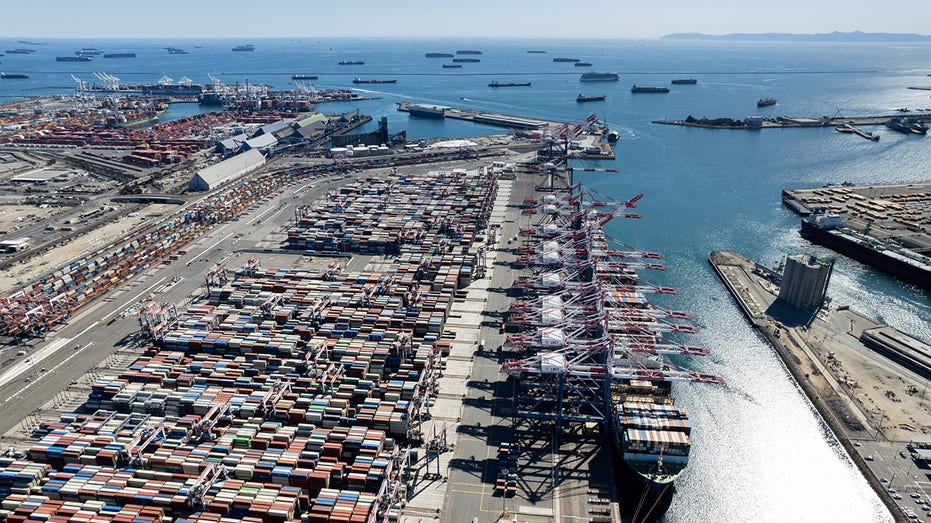
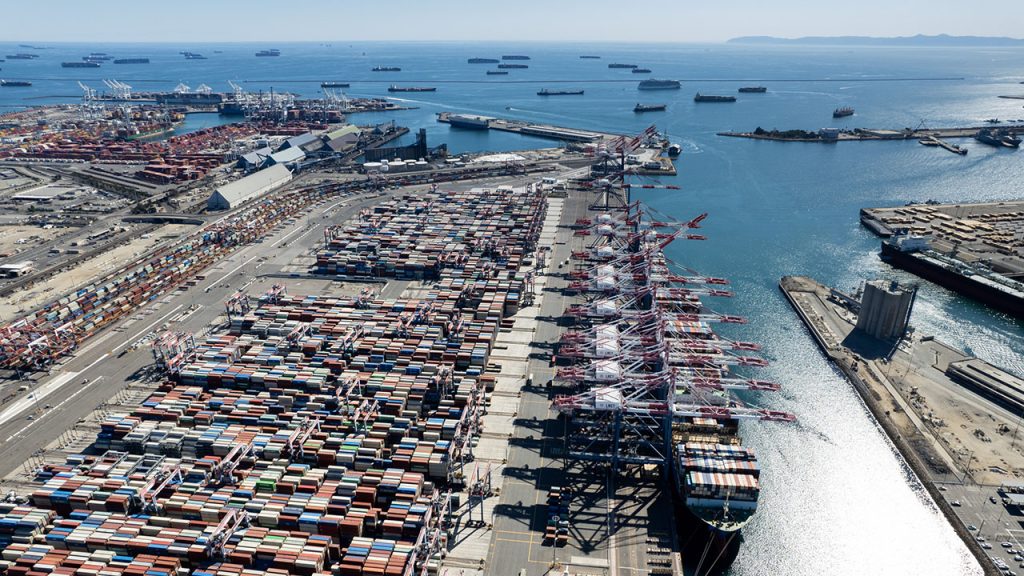
The Supreme Court’s ruling didn’t outline a tariff refund process, though there are existing options for businesses that paid the tariffs. (Qian Weizhong/VCG via Getty Images)
Snarr further explained, “For entries made within the last 10 months, importers may ask customs brokers to correct the customs declarations for refunds of recently paid IEEPA tariffs. For older entries, importers should file protests within the statutory deadlines.” He emphasized that if protests are denied, importers should seek judicial review in the U.S. Court of International Trade to pursue reliquidation, as the CIT has confirmed its authority to liquidate under these circumstances.
The process of submitting and evaluating appeals for tariff refunds may prove challenging for both businesses and the entities handling these claims. The sheer volume of IEEPA tariffs collected since their imposition last year is substantial.
Estimates suggest that the total amount of tariffs collected under IEEPA that could be subject to refunds exceeds $150 billion. The nonpartisan Tax Foundation estimates this figure at around $150 billion, while the Penn-Wharton Budget Model suggests it could be as high as $175 billion. An analysis by JPMorgan indicates a range between $150 billion and $200 billion.
SUPREME COURT DEALS BLOW TO TRUMP’S TRADE AGENDA IN LANDMARK TARIFF CASE

Treasury Secretary Scott Bessent said last month that Treasury has the funds to pay tariff refunds if needed, though it may prove a lengthy process. (Fabrice Coffrini/AFP via Getty Images)
Chris Desmond, a partner in PwC’s Customs and International Trade practice, remarked, “Beyond the legal implications, the real challenge now is operational.” He emphasized that companies must quickly assess which IEEPA tariffs may be refundable and quantify their potential refunds, as the refund process is likely to be congested.
“Customs brokers will be under significant strain, with limited capacity to manage a surge of post-summary corrections and protests from thousands of importers,” Desmond explained. “Even where tariff refunds may be available, many companies will face internal capacity constraints. Customs and trade compliance teams are already stretched managing daily filings, enforcement activity, and ongoing tariff changes.”
Desmond cautioned that companies underestimating the workload associated with detailed entry reviews and coordination with brokers risk delays in their financials and potential compliance issues if they incorrectly request refunds on the wrong tariff lines.
Tim Brightbill, co-chair of Wiley International Trade Practice Group, noted that over 1,000 lawsuits have already been filed at the U.S. Court of International Trade to secure tariff refunds following the Supreme Court’s decision against the IEEPA tariffs.
KEVIN HASSETT SAYS FED ECONOMISTS SHOULD BE ‘DISCIPLINED’ OVER TARIFF STUDY
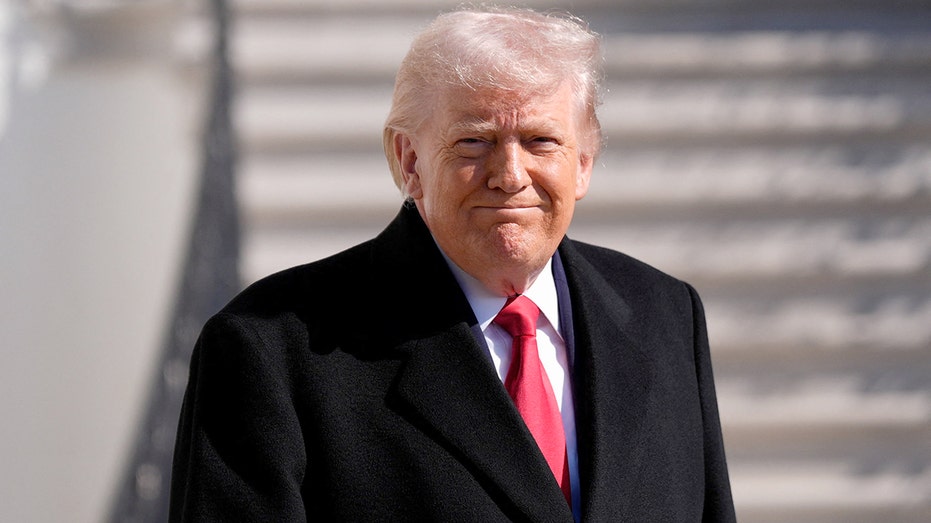
President Donald Trump slammed the Supreme Court and said the issue of refunds may be litigated for years. (Kent Nishimura/Reuters)
In response to the ruling, Trump expressed his disappointment, stating that the Supreme Court’s decision was “deeply disappointing” and criticized the court for not addressing the issue of tariff refunds. He remarked, “I guess it has to get litigated for the next two years. So, they write this terrible defective decision, totally defective. It’s almost like not written by smart people. And what do they do, they don’t even talk about that.”
Treasury Secretary Scott Bessent also weighed in on the potential for tariff refunds, indicating that while the Treasury has the funds to issue refunds if necessary, the process could be lengthy. He noted, “We’re not talking about the money all goes out in a day. Probably over weeks, months, may take over a year, right?”
Empower Chief Investment Strategist Marta Norton discusses the SCOTUS decision to strike down President Donald Trump’s tariffs on ‘The Claman Countdown.’
The recent Supreme Court ruling that invalidated the Trump administration’s tariffs, which were enacted under an economic emergency declaration, has significant implications for businesses. This decision could potentially pave the way for billions of dollars in tariff refunds, although the ruling did not provide a clear process for how these refunds will be managed.
The Court determined that President Donald Trump’s tariffs, imposed under the International Economic Emergency Powers Act (IEEPA), were unlawful. The ruling highlighted that the existing law does not grant the president the authority to impose such tariffs.
With the tariffs struck down, the matter returns to lower courts, which may address the refund process. In the meantime, businesses can file “post-summary corrections” with Customs and Border Protection (CBP), the agency responsible for collecting tariffs for the Department of Homeland Security, which then remits these funds to the Treasury Department. The U.S. Court of International Trade (CIT) also has jurisdiction over appeals related to these matters.
Mike Snarr, a partner at BakerHostetler and co-leader of the firm’s International Trade team, stated, “Although today’s Supreme Court opinion did not address the refund issue directly, in most cases, companies should pursue refunds through the U.S. Customs and Border Protection’s administrative processes.”
WILL REFUNDS BE ISSUED AFTER SUPREME COURT RULING ON TRUMP TARIFFS?
The Supreme Court’s ruling didn’t outline a tariff refund process, though there are existing options for businesses that paid the tariffs. (Qian Weizhong/VCG via Getty Images)
Snarr further explained, “For entries made within the last 10 months, importers may ask customs brokers to correct the customs declarations for refunds of recently paid IEEPA tariffs. For older entries, importers should file protests within the statutory deadlines.” He emphasized that if protests are denied, importers should seek judicial review in the U.S. Court of International Trade to pursue reliquidation, as the CIT has confirmed its authority to liquidate under these circumstances.
The process of submitting and evaluating appeals for tariff refunds may prove challenging for both businesses and the entities handling these claims. The sheer volume of IEEPA tariffs collected since their imposition last year is substantial.
Estimates suggest that the total amount of tariffs collected under IEEPA that could be subject to refunds exceeds $150 billion. The nonpartisan Tax Foundation estimates this figure at around $150 billion, while the Penn-Wharton Budget Model suggests it could be as high as $175 billion. An analysis by JPMorgan indicates a range between $150 billion and $200 billion.
SUPREME COURT DEALS BLOW TO TRUMP’S TRADE AGENDA IN LANDMARK TARIFF CASE
Treasury Secretary Scott Bessent said last month that Treasury has the funds to pay tariff refunds if needed, though it may prove a lengthy process. (Fabrice Coffrini/AFP via Getty Images)
Chris Desmond, a partner in PwC’s Customs and International Trade practice, remarked, “Beyond the legal implications, the real challenge now is operational.” He emphasized that companies must quickly assess which IEEPA tariffs may be refundable and quantify their potential refunds, as the refund process is likely to be congested.
“Customs brokers will be under significant strain, with limited capacity to manage a surge of post-summary corrections and protests from thousands of importers,” Desmond explained. “Even where tariff refunds may be available, many companies will face internal capacity constraints. Customs and trade compliance teams are already stretched managing daily filings, enforcement activity, and ongoing tariff changes.”
Desmond cautioned that companies underestimating the workload associated with detailed entry reviews and coordination with brokers risk delays in their financials and potential compliance issues if they incorrectly request refunds on the wrong tariff lines.
Tim Brightbill, co-chair of Wiley International Trade Practice Group, noted that over 1,000 lawsuits have already been filed at the U.S. Court of International Trade to secure tariff refunds following the Supreme Court’s decision against the IEEPA tariffs.
KEVIN HASSETT SAYS FED ECONOMISTS SHOULD BE ‘DISCIPLINED’ OVER TARIFF STUDY
President Donald Trump slammed the Supreme Court and said the issue of refunds may be litigated for years. (Kent Nishimura/Reuters)
In response to the ruling, Trump expressed his disappointment, stating that the Supreme Court’s decision was “deeply disappointing” and criticized the court for not addressing the issue of tariff refunds. He remarked, “I guess it has to get litigated for the next two years. So, they write this terrible defective decision, totally defective. It’s almost like not written by smart people. And what do they do, they don’t even talk about that.”
Treasury Secretary Scott Bessent also weighed in on the potential for tariff refunds, indicating that while the Treasury has the funds to issue refunds if necessary, the process could be lengthy. He noted, “We’re not talking about the money all goes out in a day. Probably over weeks, months, may take over a year, right?”