Texas Attorney General Files Lawsuit Against Factory Amidst Resident Complaints of Noxious Odors
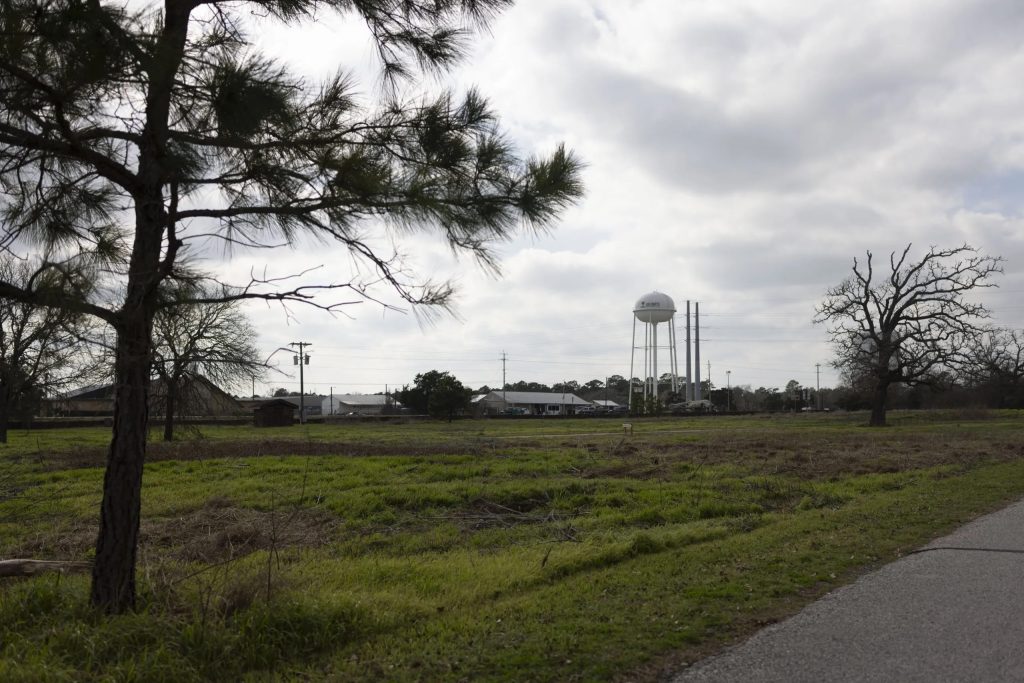

Texas’ top lawyer is taking action against a manufacturing company, claiming that its Bastrop plant emits odors reminiscent of “boiling blood and even death,” significantly impacting the quality of life for residents up to 10 miles away.
Attorney General Ken Paxton has filed a lawsuit this month against Darling Ingredients, Inc., an Irving-based company specializing in converting used cooking oil, food waste, and inedible animal parts into animal feed and fertilizer. Residents have reported that the odors emanating from the facility resemble dog food, cooked grease, and burning feathers.
The attorney general’s office asserts that these unpleasant smells are detrimental to public health. The lawsuit contends that emissions from the rendering plant are interfering with residents’ well-being and their ability to enjoy their properties and surrounding areas.
Jillian Fleming, the company’s global communications director, stated in an email that Darling is “committed to being a good neighbor and protecting the health and safety of our employees and the communities where we operate.” She also highlighted a website where Texans can learn more about the company’s ongoing efforts to address community concerns.
Darling’s Bastrop facility processes poultry byproducts, including raw chicken, blood, and feathers, along with used grease. The state argues that these operations have led to persistent odor issues that violate state air quality regulations.
This lawsuit was initiated at the request of the Texas Commission on Environmental Quality (TCEQ) and aims to enforce the Texas Clean Air Act, which categorizes strong odors as air contaminants when they negatively impact public health and quality of life.
Since October, TCEQ has received hundreds of complaints from local residents. One individual described the smell as “festering dog vomit on fire,” expressing a preference for the scent of burning tires over the odors from the plant.
Regulators suspect that the facility may be releasing excessive levels of hydrogen sulfide, a colorless, highly toxic, and flammable gas notorious for its rotten egg smell. TCEQ has documented several environmental violations and previously mandated Darling to submit plans to mitigate the odors. The lawsuit claims the company has failed to comply.
Additionally, the state alleges that Darling has not adequately maintained its equipment and has failed to keep necessary records.
“Texans should not be forced to endure offensive and harmful odors in their own communities, especially when a company is failing to comply with the standards required by law,” Paxton stated in a press release.
“Darling must not sacrifice the quality of life of Texas citizens for its production goals,” he added. “My office will ensure that violations of Texas law are brought to an end and that the safety and livelihood of surrounding neighborhoods are protected.”
The state is seeking civil penalties that could range from less than $250,000 to over $1 million. It is also demanding that the company rectify the issues by eliminating the odors immediately, adhering to all environmental permits, and installing real-time hydrogen sulfide monitoring.
This article first appeared on The Texas Tribune.
Topics
Lawsuits
Texas
Manufacturing
Interested in Lawsuits?
Get automatic alerts for this topic.
Texas’ top lawyer is taking action against a manufacturing company, claiming that its Bastrop plant emits odors reminiscent of “boiling blood and even death,” significantly impacting the quality of life for residents up to 10 miles away.
Attorney General Ken Paxton has filed a lawsuit this month against Darling Ingredients, Inc., an Irving-based company specializing in converting used cooking oil, food waste, and inedible animal parts into animal feed and fertilizer. Residents have reported that the odors emanating from the facility resemble dog food, cooked grease, and burning feathers.
The attorney general’s office asserts that these unpleasant smells are detrimental to public health. The lawsuit contends that emissions from the rendering plant are interfering with residents’ well-being and their ability to enjoy their properties and surrounding areas.
Jillian Fleming, the company’s global communications director, stated in an email that Darling is “committed to being a good neighbor and protecting the health and safety of our employees and the communities where we operate.” She also highlighted a website where Texans can learn more about the company’s ongoing efforts to address community concerns.
Darling’s Bastrop facility processes poultry byproducts, including raw chicken, blood, and feathers, along with used grease. The state argues that these operations have led to persistent odor issues that violate state air quality regulations.
This lawsuit was initiated at the request of the Texas Commission on Environmental Quality (TCEQ) and aims to enforce the Texas Clean Air Act, which categorizes strong odors as air contaminants when they negatively impact public health and quality of life.
Since October, TCEQ has received hundreds of complaints from local residents. One individual described the smell as “festering dog vomit on fire,” expressing a preference for the scent of burning tires over the odors from the plant.
Regulators suspect that the facility may be releasing excessive levels of hydrogen sulfide, a colorless, highly toxic, and flammable gas notorious for its rotten egg smell. TCEQ has documented several environmental violations and previously mandated Darling to submit plans to mitigate the odors. The lawsuit claims the company has failed to comply.
Additionally, the state alleges that Darling has not adequately maintained its equipment and has failed to keep necessary records.
“Texans should not be forced to endure offensive and harmful odors in their own communities, especially when a company is failing to comply with the standards required by law,” Paxton stated in a press release.
“Darling must not sacrifice the quality of life of Texas citizens for its production goals,” he added. “My office will ensure that violations of Texas law are brought to an end and that the safety and livelihood of surrounding neighborhoods are protected.”
The state is seeking civil penalties that could range from less than $250,000 to over $1 million. It is also demanding that the company rectify the issues by eliminating the odors immediately, adhering to all environmental permits, and installing real-time hydrogen sulfide monitoring.
This article first appeared on The Texas Tribune.
Topics
Lawsuits
Texas
Manufacturing
Interested in Lawsuits?
Get automatic alerts for this topic.