Texas Grid Demonstrates the Role of Batteries in Preventing Winter Blackouts
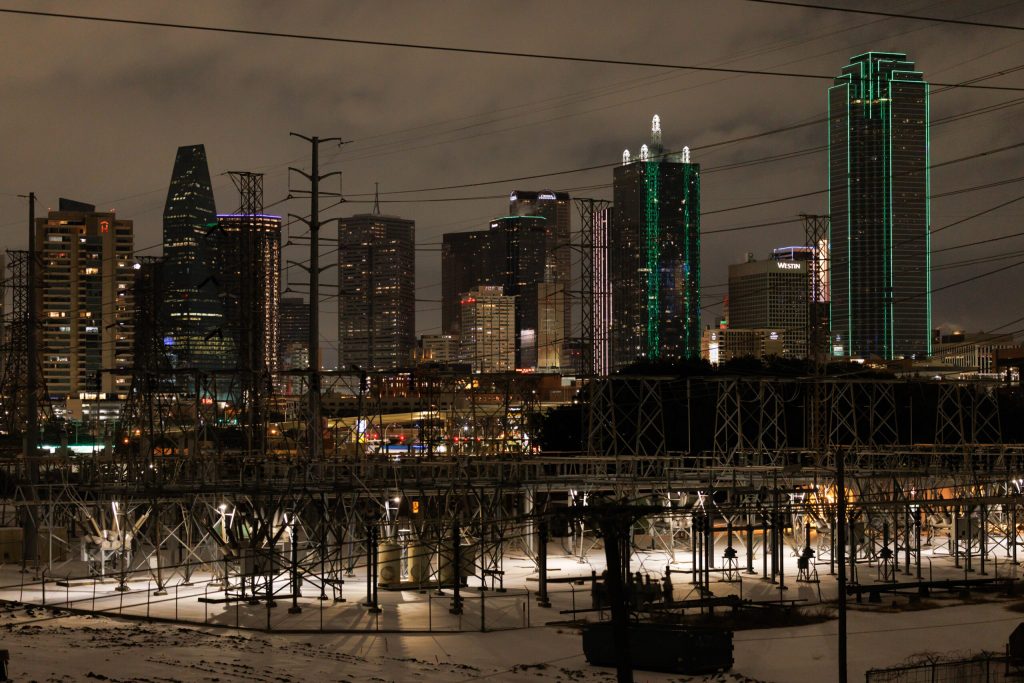
Last month’s expansive winter storm, which swept from Texas to New England, marked a significant test for large battery systems across multiple grids in the U.S. The results were promising.
Texas, in particular, showcased the advantages of energy storage, which played a crucial role in stabilizing the state’s grid during the storm. As of now, Texas boasts nearly 17 gigawatts of installed battery capacity, a remarkable increase from less than 0.5 gigawatts in 2021. This data comes from the Electric Reliability Council of Texas (ERCOT) and Wood Mackenzie. Projections indicate that the state will reach 25 gigawatts by 2029, as highlighted in an annual assessment released last month by the North American Electric Reliability Corporation.
“The batteries were the savior this time,” remarked Barbara Clemenhagen, executive director of the Gulf Coast Power Association and energy consultant. She noted that these storage systems could have potentially mitigated the severe blackouts Texas faced during a prolonged freeze that crippled the grid in early 2021.
As grid operators strive to strengthen aging infrastructures strained by extreme weather and rising power demands from data centers, new factories, and electric vehicles, the Trump administration is focused on preserving old coal-fired plants while promoting the construction of new natural gas and nuclear facilities. Conversely, renewable energy advocates argue that solar farms are both cost-effective and quick to establish.
Batteries are increasingly recognized as vital assets in this landscape. They help address the intermittency of wind and solar energy, providing short bursts of power during peak demand, particularly when gas plants or wind farms are offline due to severe weather. According to battery developer Elevate Renewables, batteries are often paired with solar generation and are increasingly being installed alongside gas plants. Currently, energy storage is more prevalent in Texas than in New England.
However, as battery capacity expands in Texas, so does power demand, driven by the state’s growing population and the influx of data centers and cryptocurrency mining operations. This surge in demand may subject the grid to further challenges from extreme temperatures, and while batteries can typically store energy for about four hours, their capacity may be tested.
ERCOT has implemented new software designed to cap prices by prioritizing more efficient energy supplies. This system enhances the grid’s flexibility and stability, allowing for more effective use of batteries when needed, as noted by spokeswoman Trudi Webster.
During the peak demand hour of 7 to 8 a.m. last month, the risk of blackouts in Texas dropped to just 1%, down from 7% the previous year. On January 26, just before 8 a.m., batteries contributed over 7 gigawatts of power, accounting for approximately 9% of the total grid power at that moment, according to Wood Mackenzie. (For context, one gigawatt is equivalent to the capacity of a traditional nuclear reactor.)
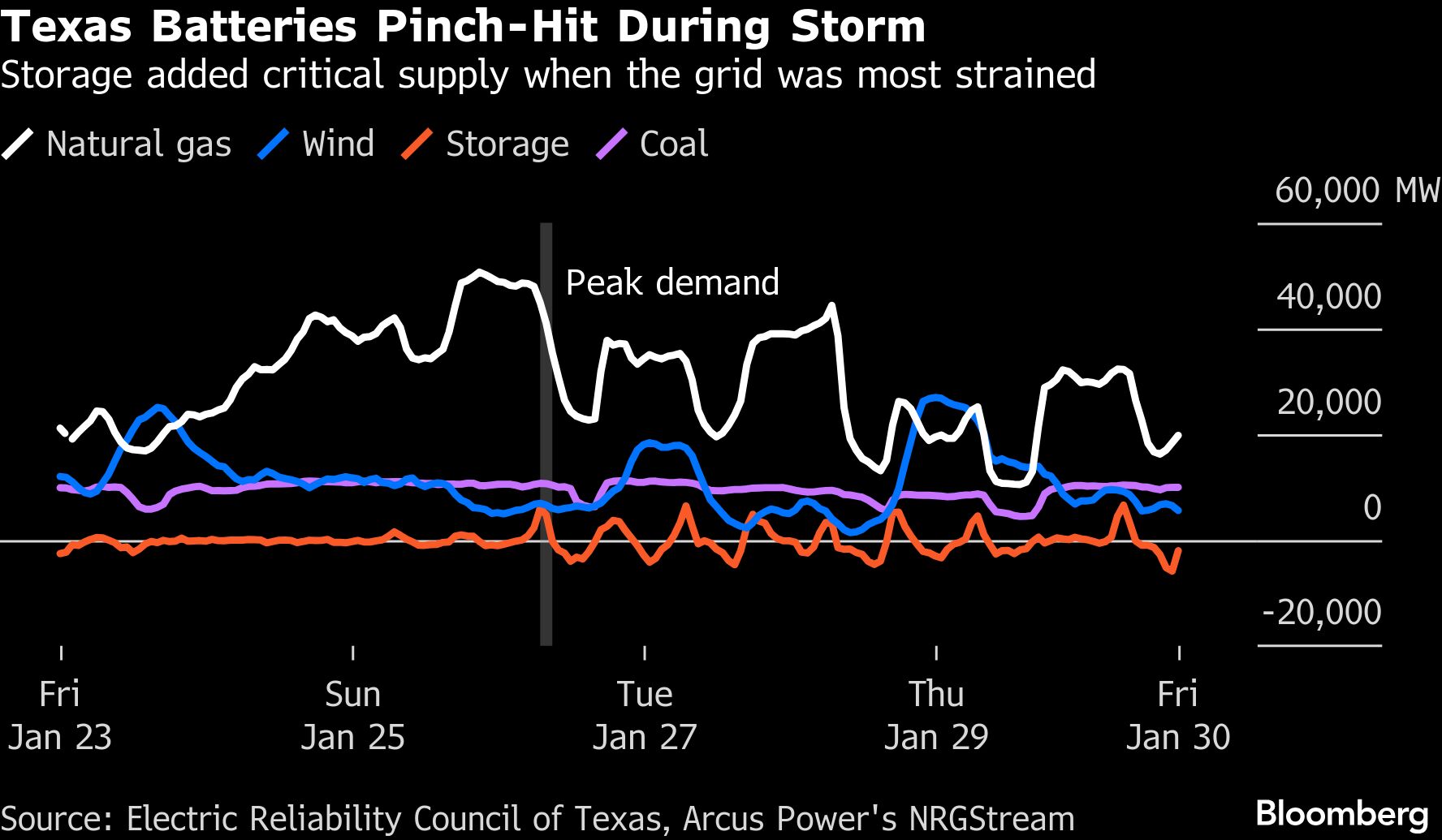
Texas’ electricity market is characterized by volatile prices, which incentivizes developers to integrate batteries into the grid. They can purchase energy at lower prices and sell it when demand and prices peak, according to BloombergNEF analyst Isshu Kikuma.
In contrast, New England has less battery capacity due to its market structure, which does not promote price volatility, making developers less inclined to invest in storage solutions. Additionally, the region faces supply challenges for natural gas, relying on imports of liquefied natural gas to meet winter demand, which led to a spike in natural gas prices during the storm.
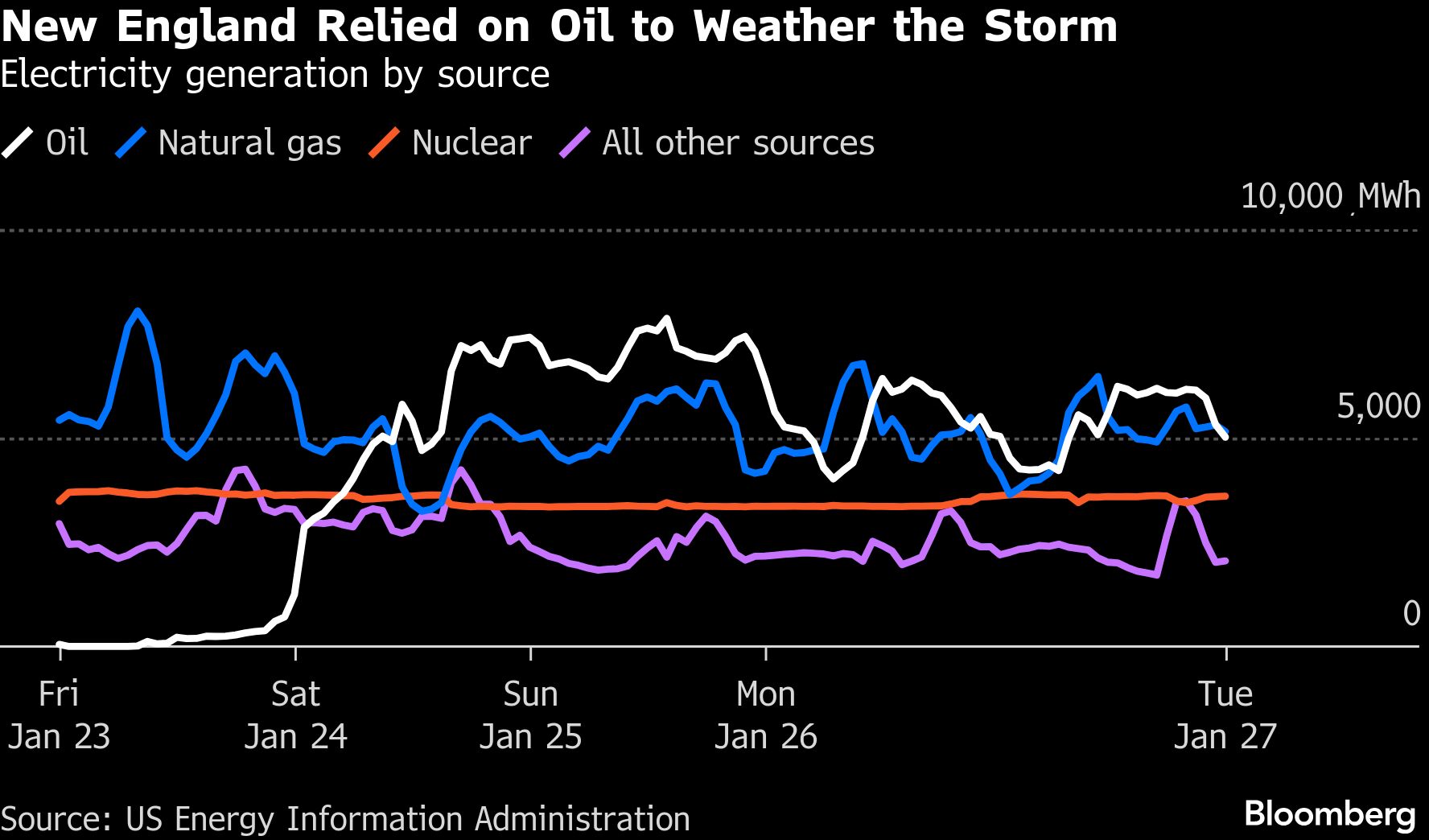
As a result, New England had to depend on oil rather than battery storage. Starting early on January 24, the grid’s oil usage surged from less than 1 gigawatt-hour to nearly 8 gigawatt-hours, surpassing natural gas. Typically, oil plants contribute minimal energy to the grid in New England and are activated only in emergencies, such as storms.
It’s important to note that oil is significantly more polluting than other energy sources. In 2023, petroleum-fired power plants in the U.S. emitted approximately 2.46 pounds of CO₂ per kWh generated, which is higher than both coal and natural gas on a per-kWh basis, according to the U.S. Energy Information Administration.
To effectively navigate future storms, U.S. energy grids will require a diverse array of solutions. While Texas relied heavily on natural gas during last month’s winter storm, solar energy accounted for the majority of power supplied to the grid the following weekend, even amid low temperatures—providing around 50% of total power for much of the day on February 1, according to ERCOT data. Major power consumers, including data centers and bitcoin miners, also curtailed their energy usage to support the grid.
“When considering the needs of the grid, there is no single solution; it requires a comprehensive approach that incorporates various technologies and resources to enhance resiliency and affordability,” stated Joshua Rogol, CEO of Elevate Renewables, a portfolio company of infrastructure investor ArcLight Capital Partners.
Copyright 2026 Bloomberg.
Topics
Texas
The most important insurance news, in your inbox every business day.
Get the insurance industry’s trusted newsletter
Last month’s expansive winter storm, which swept from Texas to New England, marked a significant test for large battery systems across multiple grids in the U.S. The results were promising.
Texas, in particular, showcased the advantages of energy storage, which played a crucial role in stabilizing the state’s grid during the storm. As of now, Texas boasts nearly 17 gigawatts of installed battery capacity, a remarkable increase from less than 0.5 gigawatts in 2021. This data comes from the Electric Reliability Council of Texas (ERCOT) and Wood Mackenzie. Projections indicate that the state will reach 25 gigawatts by 2029, as highlighted in an annual assessment released last month by the North American Electric Reliability Corporation.
“The batteries were the savior this time,” remarked Barbara Clemenhagen, executive director of the Gulf Coast Power Association and energy consultant. She noted that these storage systems could have potentially mitigated the severe blackouts Texas faced during a prolonged freeze that crippled the grid in early 2021.
As grid operators strive to strengthen aging infrastructures strained by extreme weather and rising power demands from data centers, new factories, and electric vehicles, the Trump administration is focused on preserving old coal-fired plants while promoting the construction of new natural gas and nuclear facilities. Conversely, renewable energy advocates argue that solar farms are both cost-effective and quick to establish.
Batteries are increasingly recognized as vital assets in this landscape. They help address the intermittency of wind and solar energy, providing short bursts of power during peak demand, particularly when gas plants or wind farms are offline due to severe weather. According to battery developer Elevate Renewables, batteries are often paired with solar generation and are increasingly being installed alongside gas plants. Currently, energy storage is more prevalent in Texas than in New England.
However, as battery capacity expands in Texas, so does power demand, driven by the state’s growing population and the influx of data centers and cryptocurrency mining operations. This surge in demand may subject the grid to further challenges from extreme temperatures, and while batteries can typically store energy for about four hours, their capacity may be tested.
ERCOT has implemented new software designed to cap prices by prioritizing more efficient energy supplies. This system enhances the grid’s flexibility and stability, allowing for more effective use of batteries when needed, as noted by spokeswoman Trudi Webster.
During the peak demand hour of 7 to 8 a.m. last month, the risk of blackouts in Texas dropped to just 1%, down from 7% the previous year. On January 26, just before 8 a.m., batteries contributed over 7 gigawatts of power, accounting for approximately 9% of the total grid power at that moment, according to Wood Mackenzie. (For context, one gigawatt is equivalent to the capacity of a traditional nuclear reactor.)
Texas’ electricity market is characterized by volatile prices, which incentivizes developers to integrate batteries into the grid. They can purchase energy at lower prices and sell it when demand and prices peak, according to BloombergNEF analyst Isshu Kikuma.
In contrast, New England has less battery capacity due to its market structure, which does not promote price volatility, making developers less inclined to invest in storage solutions. Additionally, the region faces supply challenges for natural gas, relying on imports of liquefied natural gas to meet winter demand, which led to a spike in natural gas prices during the storm.
As a result, New England had to depend on oil rather than battery storage. Starting early on January 24, the grid’s oil usage surged from less than 1 gigawatt-hour to nearly 8 gigawatt-hours, surpassing natural gas. Typically, oil plants contribute minimal energy to the grid in New England and are activated only in emergencies, such as storms.
It’s important to note that oil is significantly more polluting than other energy sources. In 2023, petroleum-fired power plants in the U.S. emitted approximately 2.46 pounds of CO₂ per kWh generated, which is higher than both coal and natural gas on a per-kWh basis, according to the U.S. Energy Information Administration.
To effectively navigate future storms, U.S. energy grids will require a diverse array of solutions. While Texas relied heavily on natural gas during last month’s winter storm, solar energy accounted for the majority of power supplied to the grid the following weekend, even amid low temperatures—providing around 50% of total power for much of the day on February 1, according to ERCOT data. Major power consumers, including data centers and bitcoin miners, also curtailed their energy usage to support the grid.
“When considering the needs of the grid, there is no single solution; it requires a comprehensive approach that incorporates various technologies and resources to enhance resiliency and affordability,” stated Joshua Rogol, CEO of Elevate Renewables, a portfolio company of infrastructure investor ArcLight Capital Partners.
Copyright 2026 Bloomberg.
Topics
Texas
The most important insurance news, in your inbox every business day.
Get the insurance industry’s trusted newsletter