Texas Hemp Industry Welcomes Approval of New Regulations
On Tuesday, the Texas Alcoholic Beverage Commission (TABC) approved new regulations for the consumable hemp industry, marking the end of a yearlong effort to enhance oversight of these products in the state.
While the new rules replace temporary emergency regulations that have been in place since September, they do not significantly alter the landscape of the $5 billion industry. The regulations prohibit TABC license holders from selling consumable hemp products to individuals under 21 and mandate ID checks for all transactions.
These rules affect approximately 60,000 TABC license holders, including convenience stores, restaurants, and liquor stores, many of which offer consumable hemp products.
“It’s much like alcohol; we regulate alcohol for those aged 21 and older for similar reasons,” stated Robert Eckels, chair of the TABC board. “There are developmental concerns, and a level of maturity is necessary to use these products responsibly, as misuse can be harmful to both youth and the community.”
The permanent regulations also ease some of the stricter measures from the emergency rules. Notably, the new proposal eliminates a “one strike” provision that allowed TABC to revoke the license of any business found to have sold products to minors or failed to check IDs. Instead, the agency can now temporarily suspend licenses for less severe violations.
During the monthlong public comment period, industry representatives voiced concerns that the “one strike” rule could jeopardize businesses over minor infractions.
TABC General Counsel James Person mentioned that the agency has entered into a memorandum of understanding with the Department of State Health Services (DSHS) to oversee the enforcement of consumable hemp product regulations. The agencies are currently negotiating an inter-agency contract to finalize the terms of this agreement.
Opponents of the consumable hemp industry were vocal during the public comment period, advocating for a complete ban on these products or raising the minimum purchase age to 25 or 30 to protect young adults whose brains are still developing.
Aubree Adams, director of Citizens for a Safe and Healthy Texas, emphasized that hemp products can be addictive and harmful at any age. “These are, quite frankly, some very heartbreaking conversations that the state of Texas needs to pay attention to as we go through trying to do what’s best for all of Texas,” remarked TABC Commissioner Deborah Gray Marino after the vote.
Eckels acknowledged the advocates’ concerns, indicating that the recent vote is not the final word on industry regulation. He anticipates that the Legislature will revisit this issue during the 2027 session.
Meanwhile, DSHS is working on its own regulations for smoke shops and other retailers not covered by TABC, which will also include a ban on sales to individuals under 21. Proposed rules suggest a staggering 13,000% increase in DSHS licensing fees for selling these products, a move the agency claims is necessary for effective oversight. Notably, this fee hike does not apply to TABC license holders.
DSHS is currently accepting public comments on its proposed rules until January 26.
Both TABC and DSHS introduced new regulations in the fall to regulate the consumable hemp market, fulfilling an executive order from Governor Greg Abbott. The two agencies are collaborating since neither has jurisdiction over all retailers selling consumable hemp products. For instance, TABC regulations do not extend to 8,000 licensed hemp retailers under DSHS, including smoke shops and online retailers that do not sell liquor.
This executive order followed extensive debates in the Texas Legislature regarding a potential ban on consumable hemp products or the imposition of stricter regulations. Although both the House of Representatives and the Senate voted to ban these products, Governor Abbott vetoed the measure last summer.
Subsequently, Abbott placed THC regulation on the agenda for two consecutive special sessions, but lawmakers failed to reach a compromise before the end of the second session. Instead of calling a third special session, Abbott issued his executive order, which has put him at odds with Lt. Gov. Dan Patrick, a strong proponent of banning consumable hemp products.
However, the state agencies’ efforts may ultimately be rendered moot by a congressional ban on nearly all consumable hemp products approved last year, set to take effect in November. Industry representatives plan to lobby for the repeal of this provision.
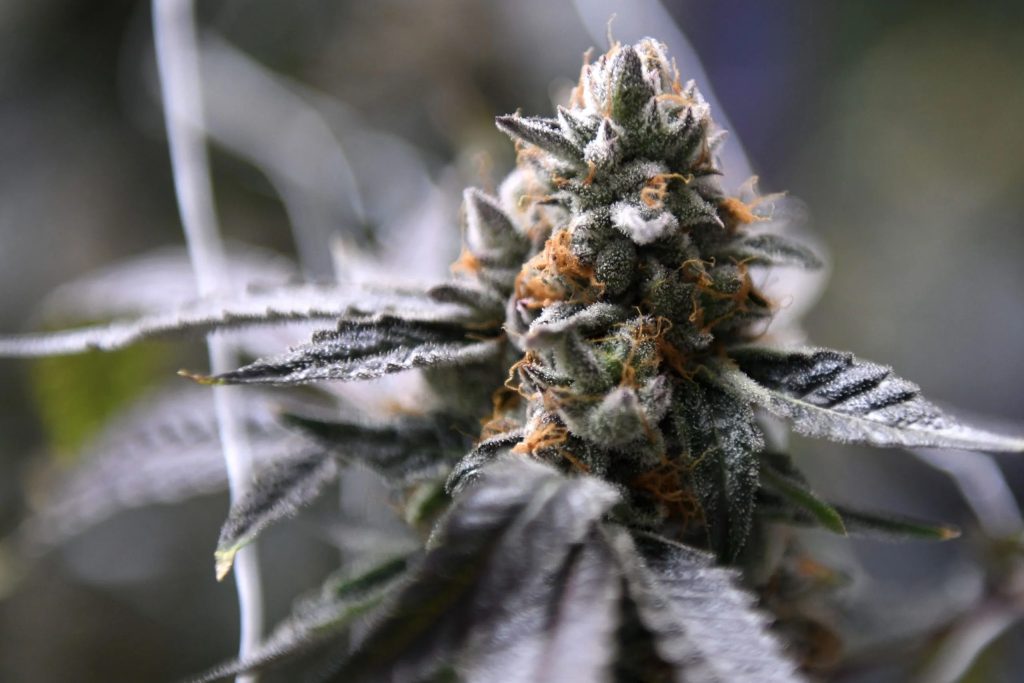
Photo: Hemp plants at Caprock Family Farms in Lubbock on May 23, 2025. Annie Rice for The Texas Tribune
Topics
Texas
Legislation
Cannabis
Interested in Cannabis?
Get automatic alerts for this topic.
On Tuesday, the Texas Alcoholic Beverage Commission (TABC) approved new regulations for the consumable hemp industry, marking the end of a yearlong effort to enhance oversight of these products in the state.
While the new rules replace temporary emergency regulations that have been in place since September, they do not significantly alter the landscape of the $5 billion industry. The regulations prohibit TABC license holders from selling consumable hemp products to individuals under 21 and mandate ID checks for all transactions.
These rules affect approximately 60,000 TABC license holders, including convenience stores, restaurants, and liquor stores, many of which offer consumable hemp products.
“It’s much like alcohol; we regulate alcohol for those aged 21 and older for similar reasons,” stated Robert Eckels, chair of the TABC board. “There are developmental concerns, and a level of maturity is necessary to use these products responsibly, as misuse can be harmful to both youth and the community.”
The permanent regulations also ease some of the stricter measures from the emergency rules. Notably, the new proposal eliminates a “one strike” provision that allowed TABC to revoke the license of any business found to have sold products to minors or failed to check IDs. Instead, the agency can now temporarily suspend licenses for less severe violations.
During the monthlong public comment period, industry representatives voiced concerns that the “one strike” rule could jeopardize businesses over minor infractions.
TABC General Counsel James Person mentioned that the agency has entered into a memorandum of understanding with the Department of State Health Services (DSHS) to oversee the enforcement of consumable hemp product regulations. The agencies are currently negotiating an inter-agency contract to finalize the terms of this agreement.
Opponents of the consumable hemp industry were vocal during the public comment period, advocating for a complete ban on these products or raising the minimum purchase age to 25 or 30 to protect young adults whose brains are still developing.
Aubree Adams, director of Citizens for a Safe and Healthy Texas, emphasized that hemp products can be addictive and harmful at any age. “These are, quite frankly, some very heartbreaking conversations that the state of Texas needs to pay attention to as we go through trying to do what’s best for all of Texas,” remarked TABC Commissioner Deborah Gray Marino after the vote.
Eckels acknowledged the advocates’ concerns, indicating that the recent vote is not the final word on industry regulation. He anticipates that the Legislature will revisit this issue during the 2027 session.
Meanwhile, DSHS is working on its own regulations for smoke shops and other retailers not covered by TABC, which will also include a ban on sales to individuals under 21. Proposed rules suggest a staggering 13,000% increase in DSHS licensing fees for selling these products, a move the agency claims is necessary for effective oversight. Notably, this fee hike does not apply to TABC license holders.
DSHS is currently accepting public comments on its proposed rules until January 26.
Both TABC and DSHS introduced new regulations in the fall to regulate the consumable hemp market, fulfilling an executive order from Governor Greg Abbott. The two agencies are collaborating since neither has jurisdiction over all retailers selling consumable hemp products. For instance, TABC regulations do not extend to 8,000 licensed hemp retailers under DSHS, including smoke shops and online retailers that do not sell liquor.
This executive order followed extensive debates in the Texas Legislature regarding a potential ban on consumable hemp products or the imposition of stricter regulations. Although both the House of Representatives and the Senate voted to ban these products, Governor Abbott vetoed the measure last summer.
Subsequently, Abbott placed THC regulation on the agenda for two consecutive special sessions, but lawmakers failed to reach a compromise before the end of the second session. Instead of calling a third special session, Abbott issued his executive order, which has put him at odds with Lt. Gov. Dan Patrick, a strong proponent of banning consumable hemp products.
However, the state agencies’ efforts may ultimately be rendered moot by a congressional ban on nearly all consumable hemp products approved last year, set to take effect in November. Industry representatives plan to lobby for the repeal of this provision.
Photo: Hemp plants at Caprock Family Farms in Lubbock on May 23, 2025. Annie Rice for The Texas Tribune
Topics
Texas
Legislation
Cannabis
Interested in Cannabis?
Get automatic alerts for this topic.