Texas Officials Confirm State Preparedness for Upcoming Winter Storm
Nearly five years after Winter Storm Uri caused widespread power outages and resulted in the tragic loss of hundreds of lives in Texas, officials and residents are once again preparing for severe winter weather expected to blanket large portions of the state.
An arctic blast will bring dangerously cold temperatures starting Friday morning, accompanied by the potential for wintry precipitation, including snow, sleet, and freezing rain. This winter weather is anticipated to grip the state from Friday evening through early next week.
Governor Greg Abbott announced a disaster declaration for over 130 counties during a press conference on Thursday. He indicated that the northern two-thirds of Texas, stretching from the Panhandle down to the San Antonio region, is likely to experience the most severe impacts.
“While the severity and size of this storm are not as great as Winter Storm Uri, it’s crucial that people take it seriously,” Abbott emphasized.
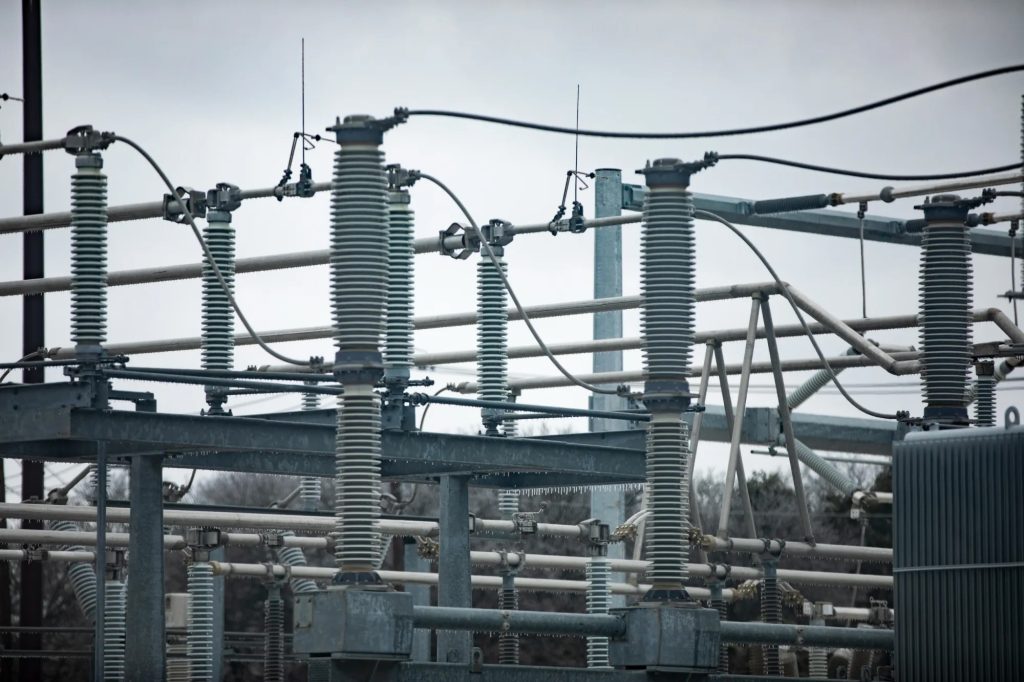
Officials do not expect widespread power outages; however, localized outages could occur due to ice accumulation or falling tree branches damaging power lines.
In preparation for the impending weather, state officials have initiated several measures. Abbott outlined steps being taken by state departments, including collaborating with local governments to update warming center maps and monitor water and wastewater systems. Teams of firefighters, state patrol agents, and the National Guard are also being mobilized.
The Texas Department of Transportation (TxDOT) began treating roadways on Wednesday to prevent ice accumulation. TxDOT’s Executive Director, Marc Williams, stated that the department will operate at peak capacity over the coming days, deploying 5,000 personnel along with hundreds of vehicles and equipment to prepare the roads.
Officials are urging Texans to stay home during the worst of the winter weather. “If you don’t have to go outside, please don’t,” Dallas Police Chief Daniel Comeaux advised during a news conference.
State officials reiterated this warning, adding that the Texas Department of Public Safety will have crews ready to respond to road accidents and assist stranded motorists. The National Guard will also provide support, including delivering food and water to those in need, according to Abbott.
“Our goal is to ensure no lives are lost,” the governor stated.
Is the Texas grid ready for ice and cold?
In the aftermath of Winter Storm Uri, which left millions without power and resulted in at least 246 fatalities, officials assert that Texas is now better equipped to handle winter weather challenges.
A key component of this preparedness is the stability of the state’s electrical grid, managed by the Electric Reliability Council of Texas (ERCOT). Following the catastrophic failure during the February 2021 storm, concerns about the grid’s reliability resurface whenever severe weather approaches. However, state officials and energy experts report that the grid is in better shape than it was in 2021, with enough power projected to meet demand throughout the weekend.
“Currently, we do not anticipate any reliability concerns on the statewide electric grid due to this weather event,” ERCOT CEO Pablo Vargas confirmed.
This improvement is attributed to two main factors: an increase in power generation capacity, primarily from solar panels, wind turbines, and battery storage. “We now have thousands of megawatts of battery storage, a significant asset during winter events,” said Matthew Boms, executive director of the Texas Advanced Energy Business Alliance.
Additionally, Texas lawmakers have mandated that natural gas plants enhance their facilities to withstand severe cold. Natural gas remains the backbone of Texas electricity, supplying over half of the state’s power. When gas production freezes, power plants can shut down, exacerbating demand for heating and electricity during winter storms.
In response to the challenges posed by Winter Storm Uri, the Texas Legislature directed the Railroad Commission of Texas to strengthen the preparedness of natural gas facilities for weather emergencies. This led to the establishment of the Critical Infrastructure Division, which focuses on ensuring that key natural gas facilities are ready for all-weather emergencies.
Abbott assured that there is an “abundance” of natural gas available, stating, “There is no concern about losing access to natural gas for power generation in ERCOT.”
Are cities and other utilities prepared?
While there is more power on the grid, officials caution that power outages may still occur due to ice accumulation on power lines and tree branches. Utilities have crews on standby to restore power as quickly as possible.
Mark Bell, president of the Association of Electric Companies of Texas, confirmed that electric generating companies and utilities are implementing emergency operations plans and mobilizing staff to prepare for the storm.
Even a thin layer of ice can significantly increase the weight on power lines, leading to sagging and potential breakage. Chester Brown, an operations director for Xcel Energy, warned of a domino effect where one broken pole could lead to multiple failures.
In the years following Uri, utilities have replaced weaker poles with stronger materials to withstand ice loads. However, the challenge of ice buildup remains a concern, as evidenced by the severe winter storm in early 2023 that left many Austin households without power.
To mitigate these risks, cities and utilities have invested in vegetation management to trim tree branches that could fall on power lines. Public Utilities Commission Chair Thomas Gleeson noted that there has been “historic” investment in this area, including House Bill 2555, which prompted Oncor to manage vegetation on an additional 8,000 lines.
While burying power lines could be a long-term solution, the costs are prohibitive. Estimates suggest that burying Austin’s above-ground power lines could reach $50 billion. Instead, utilities are focusing on burying lines in high-risk areas.
Austin Energy does not anticipate widespread outages, but General Manager Stuart Reilly emphasized the importance of monitoring the situation closely as conditions evolve.
In Dallas, officials are opening facilities at Fair Park to shelter individuals experiencing homelessness from the cold. If widespread outages occur, additional facilities will be opened for warmth and charging devices, a significant improvement from the lack of backup power during Uri.
— Camila Beraldo Maia and Alex Nguyen contributed.
Nearly five years after Winter Storm Uri caused widespread power outages and resulted in the tragic loss of hundreds of lives in Texas, officials and residents are once again preparing for severe winter weather expected to blanket large portions of the state.
An arctic blast will bring dangerously cold temperatures starting Friday morning, accompanied by the potential for wintry precipitation, including snow, sleet, and freezing rain. This winter weather is anticipated to grip the state from Friday evening through early next week.
Governor Greg Abbott announced a disaster declaration for over 130 counties during a press conference on Thursday. He indicated that the northern two-thirds of Texas, stretching from the Panhandle down to the San Antonio region, is likely to experience the most severe impacts.
“While the severity and size of this storm are not as great as Winter Storm Uri, it’s crucial that people take it seriously,” Abbott emphasized.
Officials do not expect widespread power outages; however, localized outages could occur due to ice accumulation or falling tree branches damaging power lines.
In preparation for the impending weather, state officials have initiated several measures. Abbott outlined steps being taken by state departments, including collaborating with local governments to update warming center maps and monitor water and wastewater systems. Teams of firefighters, state patrol agents, and the National Guard are also being mobilized.
The Texas Department of Transportation (TxDOT) began treating roadways on Wednesday to prevent ice accumulation. TxDOT’s Executive Director, Marc Williams, stated that the department will operate at peak capacity over the coming days, deploying 5,000 personnel along with hundreds of vehicles and equipment to prepare the roads.
Officials are urging Texans to stay home during the worst of the winter weather. “If you don’t have to go outside, please don’t,” Dallas Police Chief Daniel Comeaux advised during a news conference.
State officials reiterated this warning, adding that the Texas Department of Public Safety will have crews ready to respond to road accidents and assist stranded motorists. The National Guard will also provide support, including delivering food and water to those in need, according to Abbott.
“Our goal is to ensure no lives are lost,” the governor stated.
Is the Texas grid ready for ice and cold?
In the aftermath of Winter Storm Uri, which left millions without power and resulted in at least 246 fatalities, officials assert that Texas is now better equipped to handle winter weather challenges.
A key component of this preparedness is the stability of the state’s electrical grid, managed by the Electric Reliability Council of Texas (ERCOT). Following the catastrophic failure during the February 2021 storm, concerns about the grid’s reliability resurface whenever severe weather approaches. However, state officials and energy experts report that the grid is in better shape than it was in 2021, with enough power projected to meet demand throughout the weekend.
“Currently, we do not anticipate any reliability concerns on the statewide electric grid due to this weather event,” ERCOT CEO Pablo Vargas confirmed.
This improvement is attributed to two main factors: an increase in power generation capacity, primarily from solar panels, wind turbines, and battery storage. “We now have thousands of megawatts of battery storage, a significant asset during winter events,” said Matthew Boms, executive director of the Texas Advanced Energy Business Alliance.
Additionally, Texas lawmakers have mandated that natural gas plants enhance their facilities to withstand severe cold. Natural gas remains the backbone of Texas electricity, supplying over half of the state’s power. When gas production freezes, power plants can shut down, exacerbating demand for heating and electricity during winter storms.
In response to the challenges posed by Winter Storm Uri, the Texas Legislature directed the Railroad Commission of Texas to strengthen the preparedness of natural gas facilities for weather emergencies. This led to the establishment of the Critical Infrastructure Division, which focuses on ensuring that key natural gas facilities are ready for all-weather emergencies.
Abbott assured that there is an “abundance” of natural gas available, stating, “There is no concern about losing access to natural gas for power generation in ERCOT.”
Are cities and other utilities prepared?
While there is more power on the grid, officials caution that power outages may still occur due to ice accumulation on power lines and tree branches. Utilities have crews on standby to restore power as quickly as possible.
Mark Bell, president of the Association of Electric Companies of Texas, confirmed that electric generating companies and utilities are implementing emergency operations plans and mobilizing staff to prepare for the storm.
Even a thin layer of ice can significantly increase the weight on power lines, leading to sagging and potential breakage. Chester Brown, an operations director for Xcel Energy, warned of a domino effect where one broken pole could lead to multiple failures.
In the years following Uri, utilities have replaced weaker poles with stronger materials to withstand ice loads. However, the challenge of ice buildup remains a concern, as evidenced by the severe winter storm in early 2023 that left many Austin households without power.
To mitigate these risks, cities and utilities have invested in vegetation management to trim tree branches that could fall on power lines. Public Utilities Commission Chair Thomas Gleeson noted that there has been “historic” investment in this area, including House Bill 2555, which prompted Oncor to manage vegetation on an additional 8,000 lines.
While burying power lines could be a long-term solution, the costs are prohibitive. Estimates suggest that burying Austin’s above-ground power lines could reach $50 billion. Instead, utilities are focusing on burying lines in high-risk areas.
Austin Energy does not anticipate widespread outages, but General Manager Stuart Reilly emphasized the importance of monitoring the situation closely as conditions evolve.
In Dallas, officials are opening facilities at Fair Park to shelter individuals experiencing homelessness from the cold. If widespread outages occur, additional facilities will be opened for warmth and charging devices, a significant improvement from the lack of backup power during Uri.
— Camila Beraldo Maia and Alex Nguyen contributed.