Treasury Secretary Bessent Unveils Trump’s Vision for Greenland
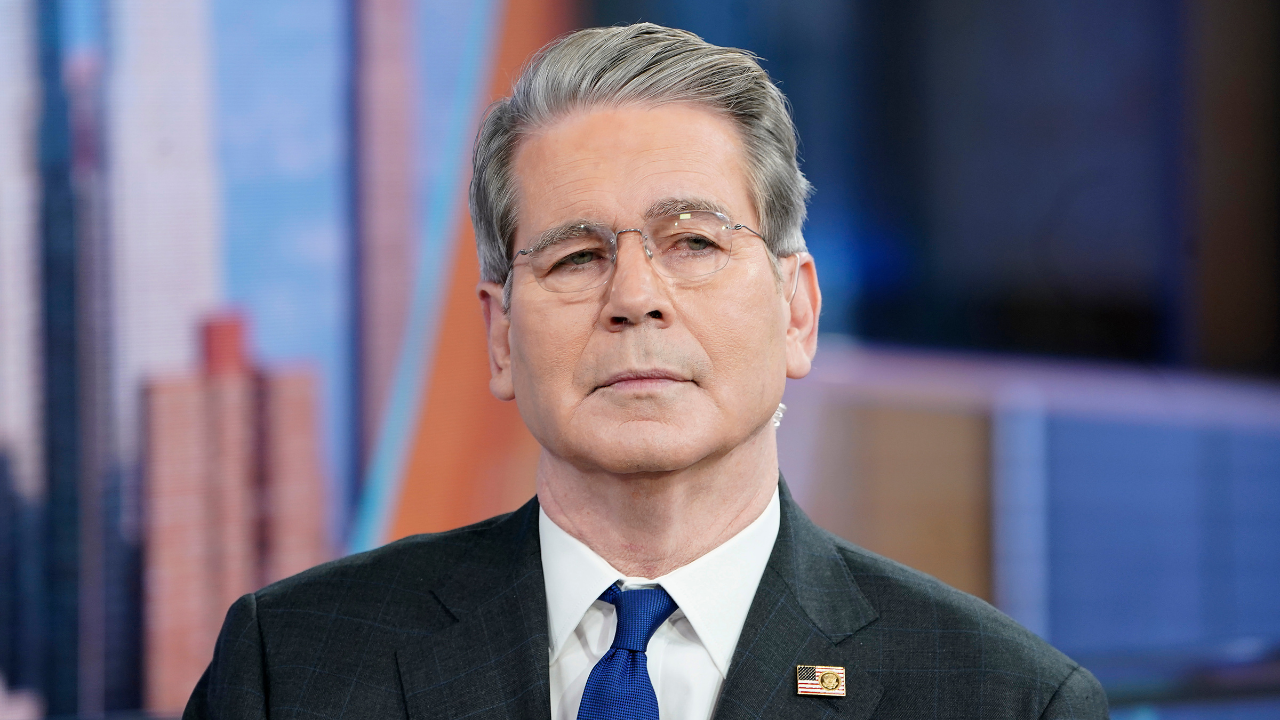
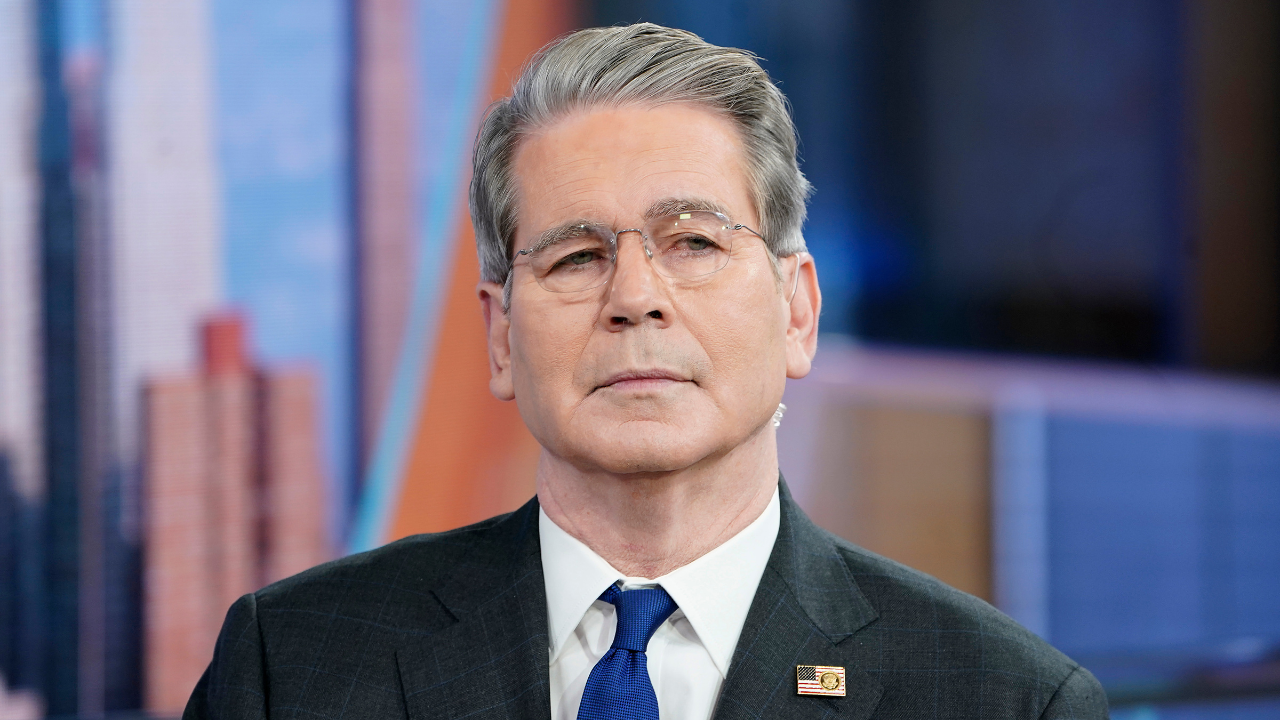
During a recent address at the World Economic Forum, U.S. Treasury Secretary Scott Bessent emphasized President Donald Trump’s perspective on Greenland, highlighting its significance to national security in the Western Hemisphere. Bessent articulated that the U.S. cannot afford to outsource its national defense, especially in light of escalating global threats.
On the prestigious Davos stage, Secretary Bessent elaborated on President Trump’s strategic vision for Greenland, underscoring its vital role in safeguarding U.S. interests. He stated, “I think the president has a very strong view on Western Hemisphere security and believes that the U.S. should not outsource our national security.” This assertion reflects a broader strategy aimed at reinforcing U.S. sovereignty and defense capabilities.
Bessent further explained that President Trump considers Greenland essential for the effectiveness of the Golden Dome missile shield, a critical component of the U.S. defense infrastructure. “The president is worried that if there were an incursion into Greenland, the U.S. would be called upon to defend Greenland,” he noted. This concern highlights the increasing geopolitical interest in Greenland, which is perceived as becoming more attractive for foreign powers seeking to expand their influence.
In his remarks, Bessent stressed the importance of proactive measures to prevent potential conflicts. “Greenland is becoming more and more attractive for foreign conquest,” he warned. He emphasized that it is imperative for Greenland to remain under U.S. influence to avert the risk of the U.S. being drawn into a direct military engagement. “He very strongly believes that it must be part of the United States to prevent a conflict, rather than getting the U.S. engaged and exposed into a hot conflict,” Bessent added.
This discussion at the World Economic Forum sheds light on the administration’s strategic priorities and the evolving landscape of international relations. As global dynamics shift, the U.S. is reassessing its approach to national security, particularly in regions that are gaining strategic importance.
This is a developing story. Please check back for updates.
During a recent address at the World Economic Forum, U.S. Treasury Secretary Scott Bessent emphasized President Donald Trump’s perspective on Greenland, highlighting its significance to national security in the Western Hemisphere. Bessent articulated that the U.S. cannot afford to outsource its national defense, especially in light of escalating global threats.
On the prestigious Davos stage, Secretary Bessent elaborated on President Trump’s strategic vision for Greenland, underscoring its vital role in safeguarding U.S. interests. He stated, “I think the president has a very strong view on Western Hemisphere security and believes that the U.S. should not outsource our national security.” This assertion reflects a broader strategy aimed at reinforcing U.S. sovereignty and defense capabilities.
Bessent further explained that President Trump considers Greenland essential for the effectiveness of the Golden Dome missile shield, a critical component of the U.S. defense infrastructure. “The president is worried that if there were an incursion into Greenland, the U.S. would be called upon to defend Greenland,” he noted. This concern highlights the increasing geopolitical interest in Greenland, which is perceived as becoming more attractive for foreign powers seeking to expand their influence.
In his remarks, Bessent stressed the importance of proactive measures to prevent potential conflicts. “Greenland is becoming more and more attractive for foreign conquest,” he warned. He emphasized that it is imperative for Greenland to remain under U.S. influence to avert the risk of the U.S. being drawn into a direct military engagement. “He very strongly believes that it must be part of the United States to prevent a conflict, rather than getting the U.S. engaged and exposed into a hot conflict,” Bessent added.
This discussion at the World Economic Forum sheds light on the administration’s strategic priorities and the evolving landscape of international relations. As global dynamics shift, the U.S. is reassessing its approach to national security, particularly in regions that are gaining strategic importance.
This is a developing story. Please check back for updates.