Trump Administration Allocates $175 Million to Support Coal Plant Initiatives
FOX Business Lauren Simonetti takes viewers deep inside a working coal mine as officials push to expand production to meet surging electricity demand driven by data centers, EVs, and electrification.
The Trump administration is intensifying efforts to revitalize the U.S. coal industry, aiming to enhance energy security across the nation.
Recently, the Department of Energy announced a significant funding initiative, allocating $175 million for projects aimed at modernizing, retrofitting, and extending the operational lifespan of six coal-fired power plants that cater to rural and remote communities.
This initiative is designed to maintain reliable energy sources while bolstering the electric grid’s reliability and keeping electricity costs manageable for American households and businesses.
The funding is part of a broader $525 million strategy to enhance the efficiency and longevity of coal plants. The administration views the modernization of existing facilities as a swift and cost-effective means to ensure reliable power while safeguarding high-wage energy jobs.
COAL PLANTS STEP UP AS HISTORIC WINTER STORM PUSHES US POWER GRID TO THE BRINK

The Trump administration is providing funds to support coal power plants as part of the nation’s energy mix. (Jeff Swensen/Getty Images)
“For years, previous administrations targeted America’s coal industry and the workers who power our country, forcing the premature closure of reliable power plants and driving up electricity costs,” stated Energy Secretary Chris Wright.
“President Trump has ended the war on American coal and is restoring common-sense energy policy. These investments will keep America’s coal plants operating, maintain low costs for Americans, and ensure we have the reliable power needed to keep the lights on and power our future,” Wright added.
TRUMP ADMIN CANCELS $30B IN BIDEN-ERA LOANS
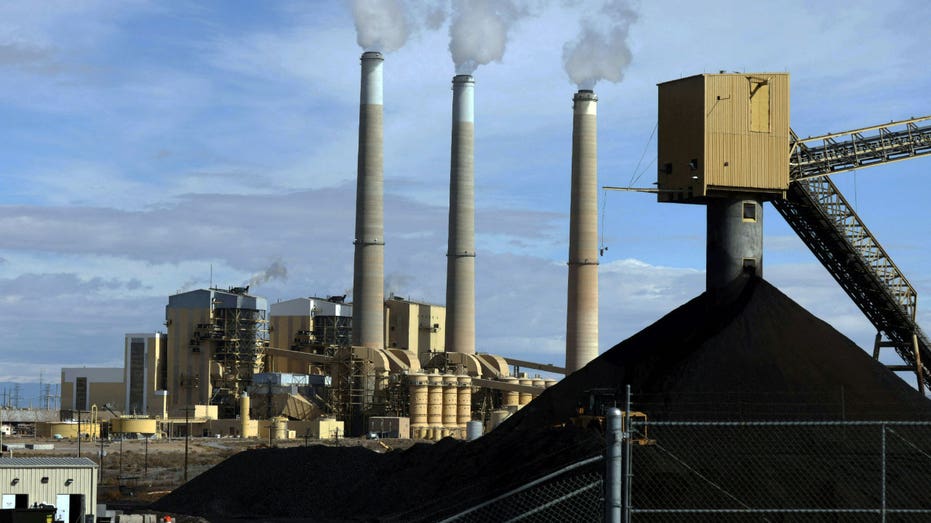
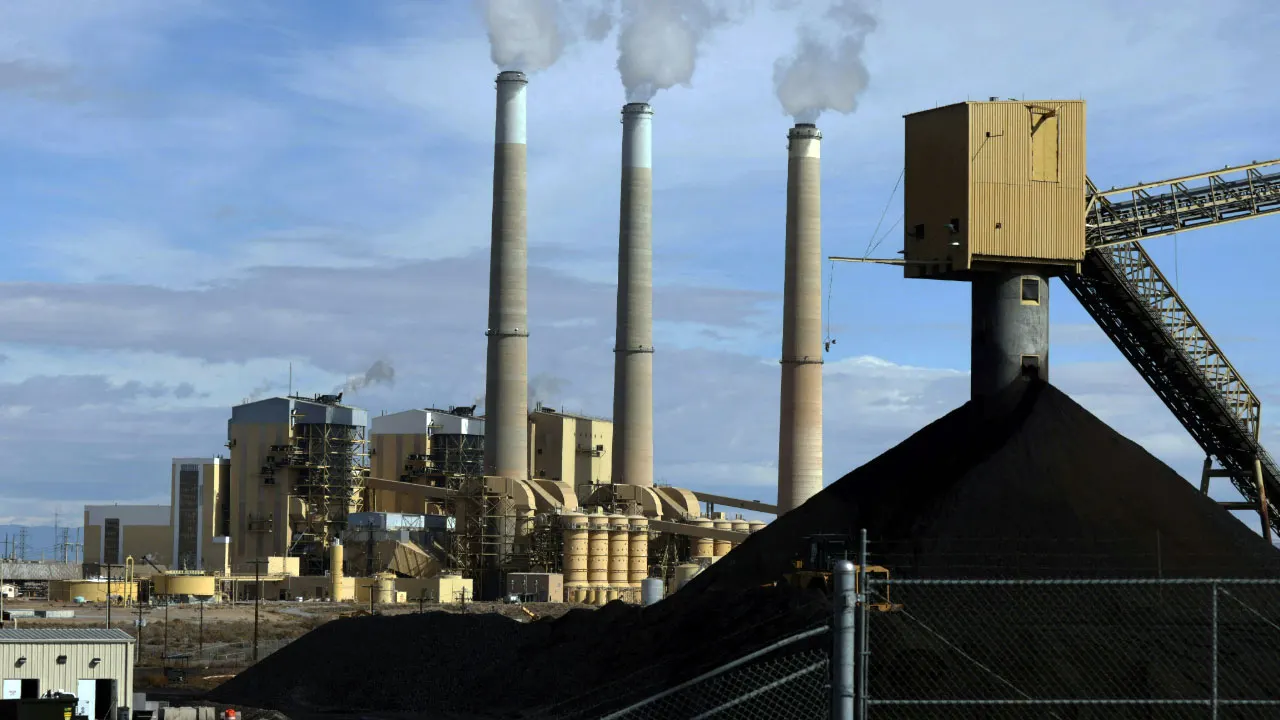
The administration’s will fund projects to extend the life of coal-fired power plants. (Jim Urquhart/Reuters)
The selected coal-fired power plants for the $175 million project include:
- Appalachian Power Company’s facilities in Letart and Winfield, West Virginia
- Buckeye Power’s plant in Brilliant, Ohio
- Duke Energy Carolinas’ plants in Sauaratown Township, North Carolina
- Kentucky Utilities Corporation’s facility in Ghent, Kentucky
- Monongahela Power Company’s power plant in Maidsville, West Virginia
- Ohio Valley Electric Corporation’s plant in Cheshire, Ohio
Electricity demand is surging, particularly due to the artificial intelligence (AI) boom, as data centers that consume vast amounts of energy increasingly strain the grid.

Coal’s share of electricity generation has declined rapidly in recent decades. (Justin Merriman/Bloomberg via Getty Images)
The Trump administration’s initiative to bolster coal as part of the national energy mix comes after years of decline, during which many coal power plants were shuttered. This decline was largely due to the increasing prevalence of natural gas and renewable energy sources.
According to the Energy Information Administration (EIA), coal’s total output for electricity generation peaked in 2007, accounting for 2,016 billion kilowatt-hours. However, this figure plummeted to 675 billion kilowatt-hours by 2023, with coal’s share of electricity generation dropping to 16.2%. Coal last provided over half of the nation’s electricity in the early 2000s, peaking as a proportion of the energy mix in the 1980s.
GET FOX BUSINESS ON THE GO BY CLICKING HERE
Natural gas overtook coal as the largest source of electricity in 2016, with EIA data indicating that natural gas generated 43.1% of the nation’s electricity in 2023.
FOX Business Lauren Simonetti takes viewers deep inside a working coal mine as officials push to expand production to meet surging electricity demand driven by data centers, EVs, and electrification.
The Trump administration is intensifying efforts to revitalize the U.S. coal industry, aiming to enhance energy security across the nation.
Recently, the Department of Energy announced a significant funding initiative, allocating $175 million for projects aimed at modernizing, retrofitting, and extending the operational lifespan of six coal-fired power plants that cater to rural and remote communities.
This initiative is designed to maintain reliable energy sources while bolstering the electric grid’s reliability and keeping electricity costs manageable for American households and businesses.
The funding is part of a broader $525 million strategy to enhance the efficiency and longevity of coal plants. The administration views the modernization of existing facilities as a swift and cost-effective means to ensure reliable power while safeguarding high-wage energy jobs.
COAL PLANTS STEP UP AS HISTORIC WINTER STORM PUSHES US POWER GRID TO THE BRINK
The Trump administration is providing funds to support coal power plants as part of the nation’s energy mix. (Jeff Swensen/Getty Images)
“For years, previous administrations targeted America’s coal industry and the workers who power our country, forcing the premature closure of reliable power plants and driving up electricity costs,” stated Energy Secretary Chris Wright.
“President Trump has ended the war on American coal and is restoring common-sense energy policy. These investments will keep America’s coal plants operating, maintain low costs for Americans, and ensure we have the reliable power needed to keep the lights on and power our future,” Wright added.
TRUMP ADMIN CANCELS $30B IN BIDEN-ERA LOANS
The administration’s will fund projects to extend the life of coal-fired power plants. (Jim Urquhart/Reuters)
The selected coal-fired power plants for the $175 million project include:
- Appalachian Power Company’s facilities in Letart and Winfield, West Virginia
- Buckeye Power’s plant in Brilliant, Ohio
- Duke Energy Carolinas’ plants in Sauaratown Township, North Carolina
- Kentucky Utilities Corporation’s facility in Ghent, Kentucky
- Monongahela Power Company’s power plant in Maidsville, West Virginia
- Ohio Valley Electric Corporation’s plant in Cheshire, Ohio
Electricity demand is surging, particularly due to the artificial intelligence (AI) boom, as data centers that consume vast amounts of energy increasingly strain the grid.
Coal’s share of electricity generation has declined rapidly in recent decades. (Justin Merriman/Bloomberg via Getty Images)
The Trump administration’s initiative to bolster coal as part of the national energy mix comes after years of decline, during which many coal power plants were shuttered. This decline was largely due to the increasing prevalence of natural gas and renewable energy sources.
According to the Energy Information Administration (EIA), coal’s total output for electricity generation peaked in 2007, accounting for 2,016 billion kilowatt-hours. However, this figure plummeted to 675 billion kilowatt-hours by 2023, with coal’s share of electricity generation dropping to 16.2%. Coal last provided over half of the nation’s electricity in the early 2000s, peaking as a proportion of the energy mix in the 1980s.
GET FOX BUSINESS ON THE GO BY CLICKING HERE
Natural gas overtook coal as the largest source of electricity in 2016, with EIA data indicating that natural gas generated 43.1% of the nation’s electricity in 2023.