Trump Advocates for Ban on Large Institutional Investors Purchasing Single-Family Homes

‘The Big Money Show’ panel examines how tax cuts, small business incentives, and falling inflation could shape the economy and upcoming midterm elections.
President Donald Trump is aiming to restore homeownership as a cornerstone of the American Dream. He has proposed a ban on “large institutional investors” from purchasing single-family homes, a move he believes will help more Americans achieve homeownership.
In a recent Truth Social post, Trump stated, “For a very long time, buying and owning a home was considered the pinnacle of the American Dream. It was the reward for working hard and doing the right thing, but now, because of the record high inflation caused by Joe Biden and the Democrats in Congress, that American Dream is increasingly out of reach for far too many people, especially younger Americans.”
He emphasized the urgency of his proposal, saying, “It is for that reason, and much more, that I am immediately taking steps to ban large institutional investors from buying more single-family homes, and I will be calling on Congress to codify it. People live in homes, not corporations.”
HOUSING MARKET EXPECTED TO OFFER LITTLE RELIEF FOR BUYERS IN 2026 DESPITE MODEST IMPROVEMENTS AHEAD
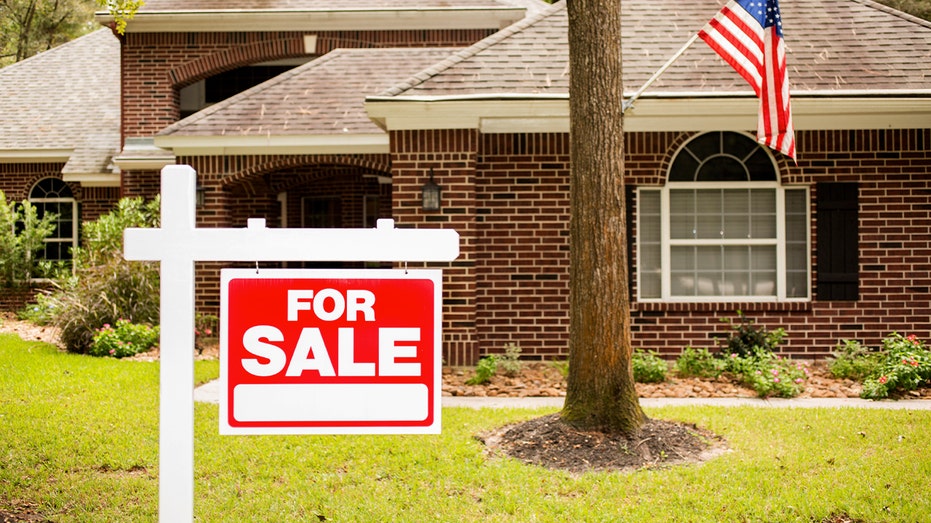
Red and white “Home for Sale” sign in front of a red brick house that is for sale. (iStock/Getty Images Plus / Getty Images)
While Trump has not detailed how or when this ban would be enacted, he plans to address the issue further in his upcoming speech at the World Economic Forum’s annual meeting in Davos.
Since the 2008 financial crisis, Wall Street institutions like Blackstone have acquired thousands of single-family homes. This practice has drawn criticism from housing advocacy groups and Democrats, who argue that institutional landlords contribute to rising rent prices. Following Trump’s announcement, shares of homebuilders fell, with American Homes 4 Rent dropping to a three-year low of $28.84 before trading was halted due to volatility. Blackstone’s shares also fell to a one-month low of $147.52.

President Donald Trump in the Oval Office of the White House in Washington, D.C., on Friday, Nov. 21, 2025. (Yuri Gripas/Abaca/Bloomberg via Getty Images / Getty Images)
THESE 10 MARKETS MAY SEE THE BIGGEST HOMEBUYING SURGE AS MORTGAGE RATES FALL
According to Redfin’s November 2025 national housing snapshot, the median U.S. home sale price was approximately $433,214, reflecting a 0.7% increase year-over-year. The report also indicated that 363,194 homes were sold that year, marking a 6.7% decrease compared to the previous year.
In 2024, the median household income in the U.S. was reported at $83,730, a 4% increase from the prior year, according to the Motley Fool.
Redfin’s 2024 data revealed a significant generational divide in homeownership rates. For Gen Z and millennials, the homeownership rate remained largely unchanged, with Gen Z slightly decreasing from 26.3% in 2023 to 26.1% in 2024. In contrast, the older generation saw a marginal increase from 54.8% to 54.9% during the same period. Prior to 2024, the millennial homeownership rate had been on the rise since 2012.
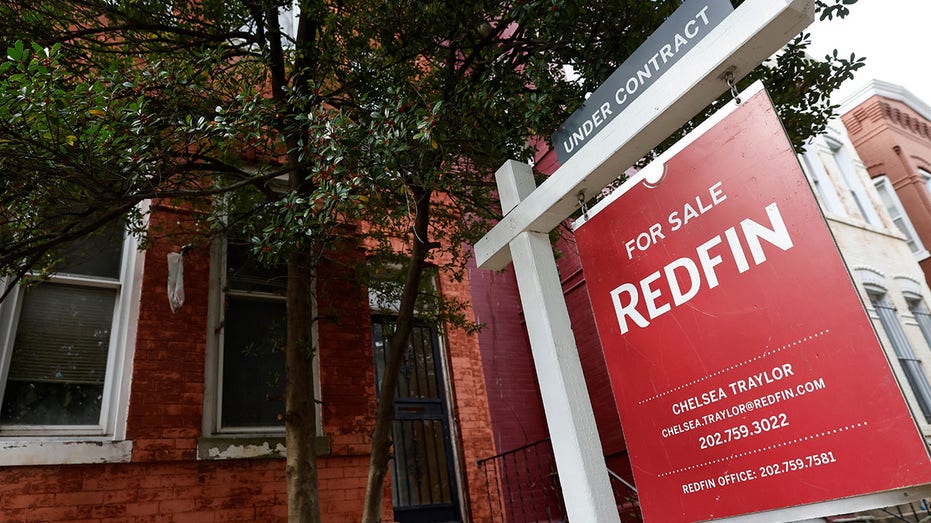
Photo taken on Oct. 19, 2022 shows a house for sale in Washington, D.C. (Ting Shen/Xinhua via Getty Images / Getty Images)
GET FOX BUSINESS ON THE GO BY CLICKING HERE
Redfin anticipates that the homeownership rate for millennials and Gen Zers may continue to rise as they enter prime homebuying age, with many starting families and settling into careers. However, soaring sale prices and mortgage rates have hindered their ability to purchase homes.
In contrast, Gen Xers experienced an increase in their homeownership rate from 72% in 2023 to 72.9% in 2024, while baby boomers also saw a rise from 78.8% to 79.6% during the same period.
FOX Business has reached out to Blackstone, American Homes 4 Rent, Invitation Homes Inc., and the White House for comments regarding these developments.
‘The Big Money Show’ panel examines how tax cuts, small business incentives, and falling inflation could shape the economy and upcoming midterm elections.
President Donald Trump is aiming to restore homeownership as a cornerstone of the American Dream. He has proposed a ban on “large institutional investors” from purchasing single-family homes, a move he believes will help more Americans achieve homeownership.
In a recent Truth Social post, Trump stated, “For a very long time, buying and owning a home was considered the pinnacle of the American Dream. It was the reward for working hard and doing the right thing, but now, because of the record high inflation caused by Joe Biden and the Democrats in Congress, that American Dream is increasingly out of reach for far too many people, especially younger Americans.”
He emphasized the urgency of his proposal, saying, “It is for that reason, and much more, that I am immediately taking steps to ban large institutional investors from buying more single-family homes, and I will be calling on Congress to codify it. People live in homes, not corporations.”
HOUSING MARKET EXPECTED TO OFFER LITTLE RELIEF FOR BUYERS IN 2026 DESPITE MODEST IMPROVEMENTS AHEAD
Red and white “Home for Sale” sign in front of a red brick house that is for sale. (iStock/Getty Images Plus / Getty Images)
While Trump has not detailed how or when this ban would be enacted, he plans to address the issue further in his upcoming speech at the World Economic Forum’s annual meeting in Davos.
Since the 2008 financial crisis, Wall Street institutions like Blackstone have acquired thousands of single-family homes. This practice has drawn criticism from housing advocacy groups and Democrats, who argue that institutional landlords contribute to rising rent prices. Following Trump’s announcement, shares of homebuilders fell, with American Homes 4 Rent dropping to a three-year low of $28.84 before trading was halted due to volatility. Blackstone’s shares also fell to a one-month low of $147.52.
President Donald Trump in the Oval Office of the White House in Washington, D.C., on Friday, Nov. 21, 2025. (Yuri Gripas/Abaca/Bloomberg via Getty Images / Getty Images)
THESE 10 MARKETS MAY SEE THE BIGGEST HOMEBUYING SURGE AS MORTGAGE RATES FALL
According to Redfin’s November 2025 national housing snapshot, the median U.S. home sale price was approximately $433,214, reflecting a 0.7% increase year-over-year. The report also indicated that 363,194 homes were sold that year, marking a 6.7% decrease compared to the previous year.
In 2024, the median household income in the U.S. was reported at $83,730, a 4% increase from the prior year, according to the Motley Fool.
Redfin’s 2024 data revealed a significant generational divide in homeownership rates. For Gen Z and millennials, the homeownership rate remained largely unchanged, with Gen Z slightly decreasing from 26.3% in 2023 to 26.1% in 2024. In contrast, the older generation saw a marginal increase from 54.8% to 54.9% during the same period. Prior to 2024, the millennial homeownership rate had been on the rise since 2012.
Photo taken on Oct. 19, 2022 shows a house for sale in Washington, D.C. (Ting Shen/Xinhua via Getty Images / Getty Images)
GET FOX BUSINESS ON THE GO BY CLICKING HERE
Redfin anticipates that the homeownership rate for millennials and Gen Zers may continue to rise as they enter prime homebuying age, with many starting families and settling into careers. However, soaring sale prices and mortgage rates have hindered their ability to purchase homes.
In contrast, Gen Xers experienced an increase in their homeownership rate from 72% in 2023 to 72.9% in 2024, while baby boomers also saw a rise from 78.8% to 79.6% during the same period.
FOX Business has reached out to Blackstone, American Homes 4 Rent, Invitation Homes Inc., and the White House for comments regarding these developments.