Trump Announces US-India Trade Agreement Aimed at Reducing Tariffs
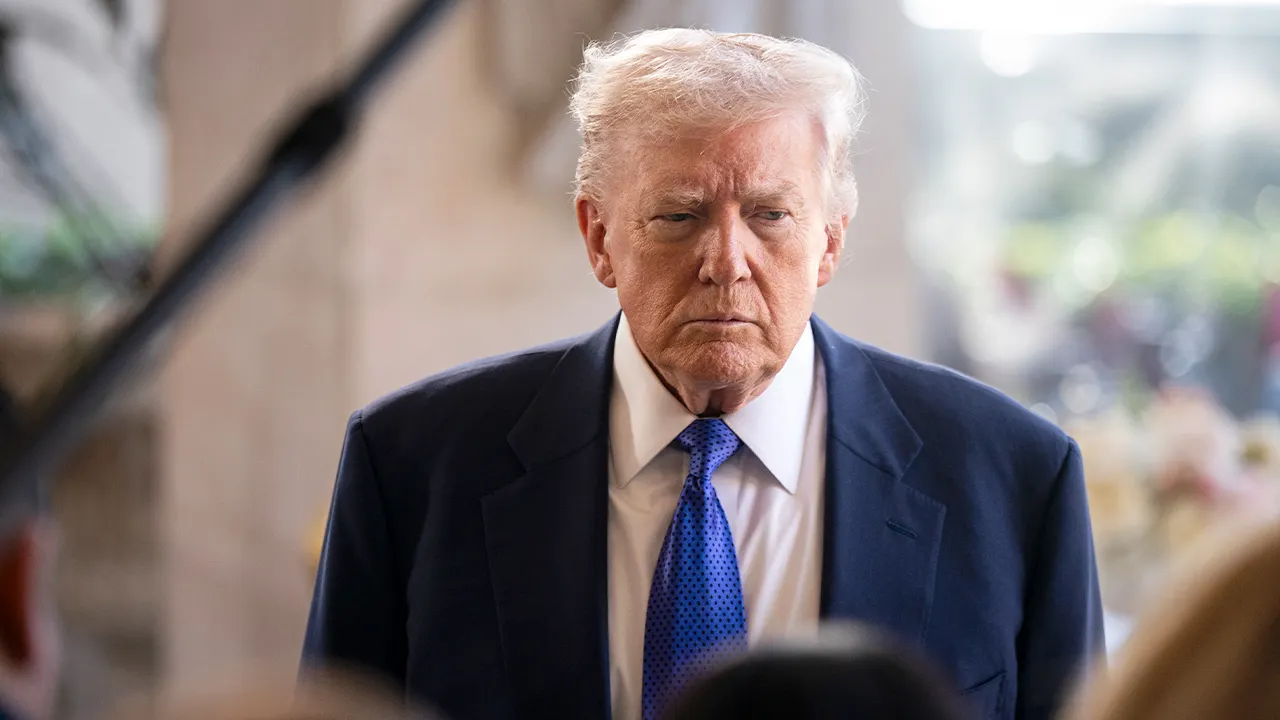
Former Deputy Assistant Attorney General John Yoo joins ‘Varney & Co.’ to discuss why the Supreme Court may be delaying its decision on President Donald Trump’s tariffs and the legal uncertainty surrounding the case.
In a significant development for international trade, President Donald Trump announced on Monday that the United States and India have reached a preliminary agreement on a trade deal aimed at reducing tariffs. This announcement came after a phone conversation between Trump and Indian Prime Minister Narendra Modi, signaling a potential shift in trade relations between the two nations.
According to Trump’s post on his Truth Social platform, the agreement is set to lower U.S. tariffs on Indian goods from the current rate of 25% down to 18%. In return, India is expected to eliminate its tariffs and non-tariff barriers on American products. This reciprocal arrangement could pave the way for increased trade and economic cooperation between the two countries.
The implications of this trade deal are significant. Lower tariffs can lead to reduced prices for consumers and businesses, fostering a more competitive market. For American companies, the reduction in tariffs on Indian goods could enhance access to a broader range of products, potentially benefiting various sectors, including technology, textiles, and pharmaceuticals.
On the flip side, the agreement may also raise questions about the impact on domestic industries. Critics often argue that lowering tariffs can lead to increased competition from foreign markets, which might adversely affect local manufacturers. As such, the balance between fostering international trade and protecting domestic industries remains a critical point of discussion.
Furthermore, this trade deal comes at a time when the global economy is still navigating the complexities brought about by the COVID-19 pandemic. Supply chain disruptions and inflationary pressures have made trade agreements more crucial than ever. The U.S.-India trade deal could serve as a model for future agreements with other nations, emphasizing the importance of collaboration in a post-pandemic world.
As the situation develops, it will be essential to monitor how both countries implement the terms of this agreement. The potential for increased trade could lead to economic growth, but it will also require careful consideration of the broader implications for both U.S. and Indian industries.
This is a breaking news story; check back for updates.
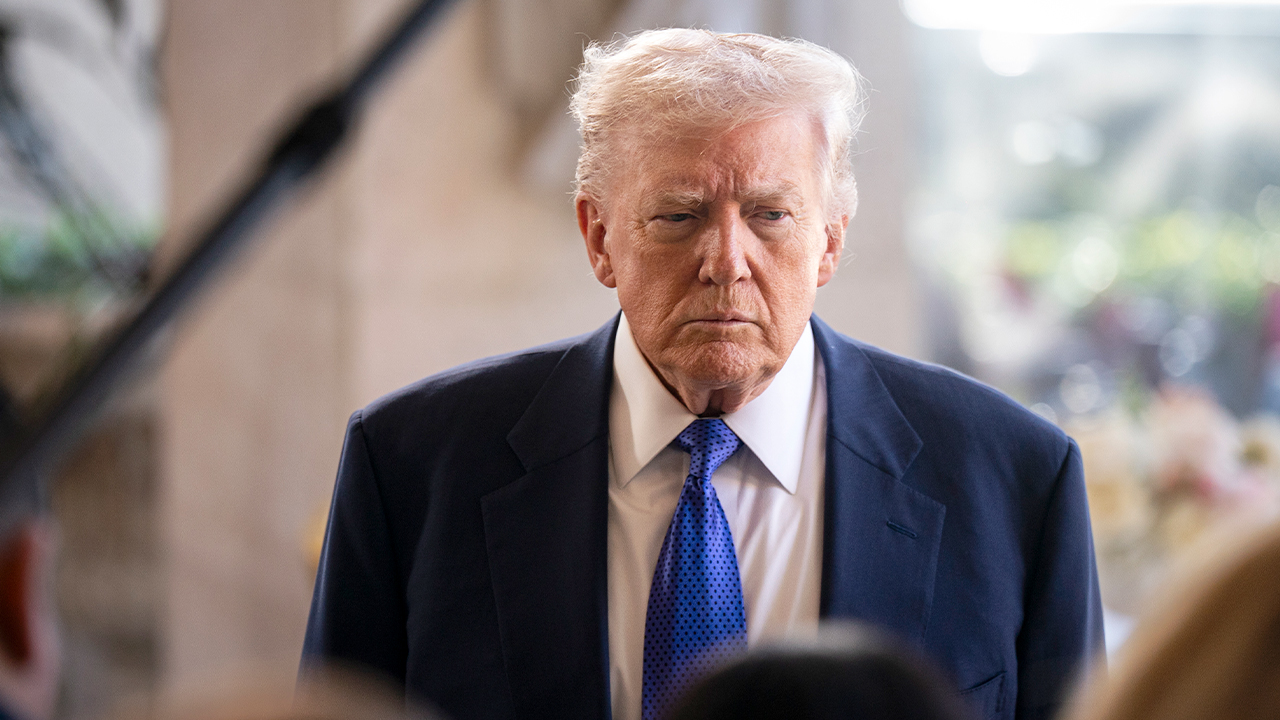
Former Deputy Assistant Attorney General John Yoo joins ‘Varney & Co.’ to discuss why the Supreme Court may be delaying its decision on President Donald Trump’s tariffs and the legal uncertainty surrounding the case.
In a significant development for international trade, President Donald Trump announced on Monday that the United States and India have reached a preliminary agreement on a trade deal aimed at reducing tariffs. This announcement came after a phone conversation between Trump and Indian Prime Minister Narendra Modi, signaling a potential shift in trade relations between the two nations.
According to Trump’s post on his Truth Social platform, the agreement is set to lower U.S. tariffs on Indian goods from the current rate of 25% down to 18%. In return, India is expected to eliminate its tariffs and non-tariff barriers on American products. This reciprocal arrangement could pave the way for increased trade and economic cooperation between the two countries.
The implications of this trade deal are significant. Lower tariffs can lead to reduced prices for consumers and businesses, fostering a more competitive market. For American companies, the reduction in tariffs on Indian goods could enhance access to a broader range of products, potentially benefiting various sectors, including technology, textiles, and pharmaceuticals.
On the flip side, the agreement may also raise questions about the impact on domestic industries. Critics often argue that lowering tariffs can lead to increased competition from foreign markets, which might adversely affect local manufacturers. As such, the balance between fostering international trade and protecting domestic industries remains a critical point of discussion.
Furthermore, this trade deal comes at a time when the global economy is still navigating the complexities brought about by the COVID-19 pandemic. Supply chain disruptions and inflationary pressures have made trade agreements more crucial than ever. The U.S.-India trade deal could serve as a model for future agreements with other nations, emphasizing the importance of collaboration in a post-pandemic world.
As the situation develops, it will be essential to monitor how both countries implement the terms of this agreement. The potential for increased trade could lead to economic growth, but it will also require careful consideration of the broader implications for both U.S. and Indian industries.
This is a breaking news story; check back for updates.