Trump Promises US Reentry into Venezuela’s Oil Sector Following Maduro’s Capture
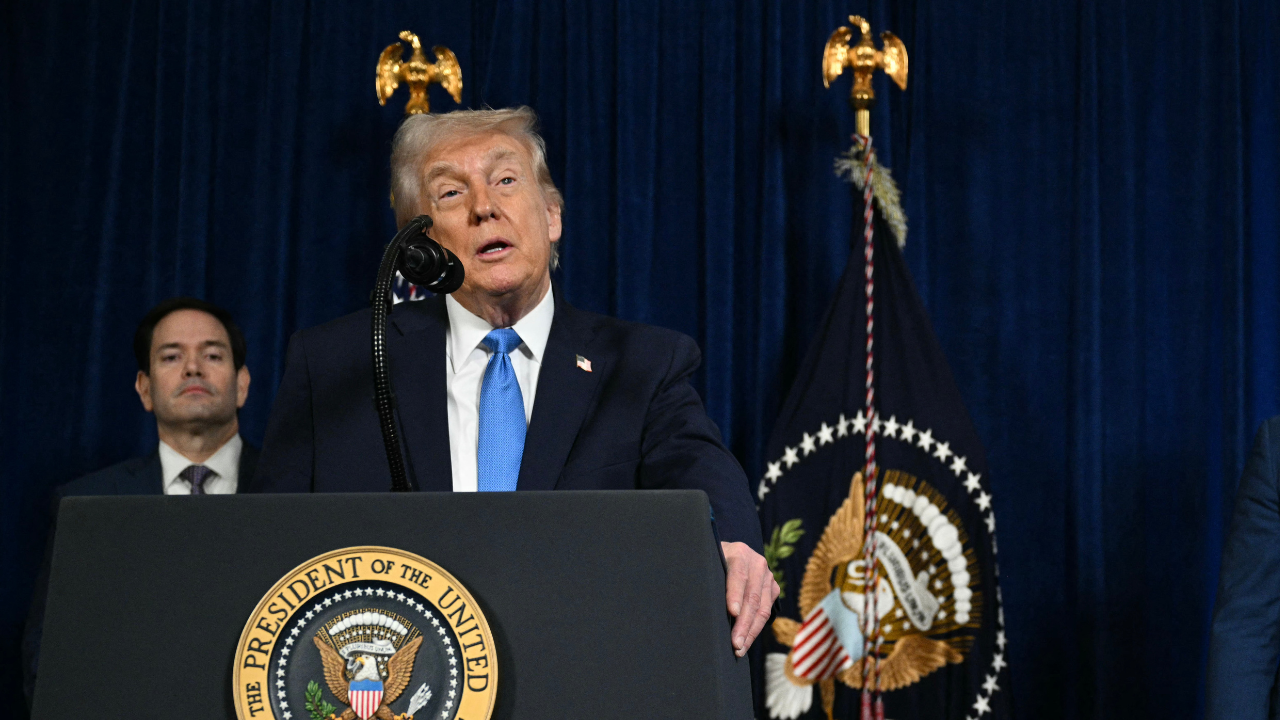
President Donald Trump opens up about the U.S. capture of Venezuelan dictator Maduro on ‘Fox & Friends Weekend.’
President Donald Trump has made a bold pledge regarding the U.S. return to Venezuela’s oil industry, following the dramatic predawn capture of Venezuelan President Nicolás Maduro. Trump accused the socialist government of Venezuela of seizing American energy assets and dismantling an industry that was built with significant U.S. investment.
“We built Venezuela’s oil industry with American talent, drive, and skill, and the socialist regime stole it from us,” Trump stated during a news conference at Mar-a-Lago in Palm Beach, Florida. He emphasized the financial losses incurred by the U.S., saying, “Venezuela unilaterally seized and sold American oil, American assets, and American platforms, costing us billions and billions of dollars. They took all of our property.”
FOLLOW FOX NEWS LIVE COVERAGE OF VENEZUELA

President Donald Trump said U.S. energy companies will return to Venezuela to rebuild the nation’s oil industry. (Jim Watson/AFP/Getty Images / Getty Images)
Trump further stated that U.S. energy companies could play a pivotal role in revitalizing the country’s oil sector. “We are going to have our very large United States oil companies go in, spend billions of dollars, fix the badly broken oil infrastructure, and start making money for the country,” he declared.
Venezuela, once a hub for major U.S. energy investments, has systematically pushed out Western oil companies through a nationalization campaign initiated by Maduro’s predecessor, Hugo Chávez. Despite Maduro’s claims of winning re-election to a six-year term in 2024, the U.S. and other international observers assert that his loyalists stole the election from Edmundo González.
Among the few energy giants that negotiated to remain in Venezuela is Chevron, which agreed to operate as a minority partner under joint ventures led by the state-run oil company, Petróleos de Venezuela, S.A. (PDVSA). This arrangement allowed Chevron to maintain a presence in the country, even as it navigates the complexities of U.S. sanctions and the geopolitical landscape.
Chevron remains the only U.S. oil company currently operating in Venezuela, balancing the demands of Washington with the realities of the world’s largest oil reserves.
VENEZUELA HOLDS THE WORLD’S LARGEST OIL RESERVES. HERE’S HOW OTHERS COMPARE
“Chevron remains focused on the safety and wellbeing of our employees, as well as the integrity of our assets,” a spokesperson for the company stated. They declined to comment on the broader security environment but emphasized their commitment to operating in compliance with all relevant laws and regulations.
Chevron said in a statement to Fox News Digital that its Venezuela operations continue without disruption. (Brandon Bell/Getty Images / Getty Images)
Having operated in Venezuela for nearly a century, Chevron’s production and export capabilities have been significantly impacted by U.S. sanctions and time-limited Treasury licenses that restrict its operations. Venezuela, roughly twice the size of California, boasts the world’s largest proven oil reserves, estimated at 300 billion barrels—about 20% of the global total and nearly four times the reserves of the U.S.
Despite this vast resource wealth, Venezuela’s crisis-stricken economy and ongoing political instability have severely hampered its ability to convert these reserves into sustained production. This situation mirrors challenges faced by other resource-rich nations like Iran and Libya, where turmoil, sanctions, and deteriorating infrastructure limit output.
CLICK HERE TO GET FOX BUSINESS ON THE GO

Oil pumping facility and Venezuelan President Nicolas Maduro. (Reuters:AP)
When asked by Fox News’ Lucas Tomlinson about interest from countries like Iran, Russia, and China in Venezuela’s oil, Trump responded that the United States would sell Venezuelan crude to a variety of nations. As the U.S. considers its next steps, Venezuela’s oil reserves remain both a valuable asset and a complex challenge—immense in scale yet hindered by years of underinvestment, deteriorating infrastructure, and political risks that demand billions of dollars and sustained stability to overcome.
President Donald Trump opens up about the U.S. capture of Venezuelan dictator Maduro on ‘Fox & Friends Weekend.’
President Donald Trump has made a bold pledge regarding the U.S. return to Venezuela’s oil industry, following the dramatic predawn capture of Venezuelan President Nicolás Maduro. Trump accused the socialist government of Venezuela of seizing American energy assets and dismantling an industry that was built with significant U.S. investment.
“We built Venezuela’s oil industry with American talent, drive, and skill, and the socialist regime stole it from us,” Trump stated during a news conference at Mar-a-Lago in Palm Beach, Florida. He emphasized the financial losses incurred by the U.S., saying, “Venezuela unilaterally seized and sold American oil, American assets, and American platforms, costing us billions and billions of dollars. They took all of our property.”
FOLLOW FOX NEWS LIVE COVERAGE OF VENEZUELA
President Donald Trump said U.S. energy companies will return to Venezuela to rebuild the nation’s oil industry. (Jim Watson/AFP/Getty Images / Getty Images)
Trump further stated that U.S. energy companies could play a pivotal role in revitalizing the country’s oil sector. “We are going to have our very large United States oil companies go in, spend billions of dollars, fix the badly broken oil infrastructure, and start making money for the country,” he declared.
Venezuela, once a hub for major U.S. energy investments, has systematically pushed out Western oil companies through a nationalization campaign initiated by Maduro’s predecessor, Hugo Chávez. Despite Maduro’s claims of winning re-election to a six-year term in 2024, the U.S. and other international observers assert that his loyalists stole the election from Edmundo González.
Among the few energy giants that negotiated to remain in Venezuela is Chevron, which agreed to operate as a minority partner under joint ventures led by the state-run oil company, Petróleos de Venezuela, S.A. (PDVSA). This arrangement allowed Chevron to maintain a presence in the country, even as it navigates the complexities of U.S. sanctions and the geopolitical landscape.
Chevron remains the only U.S. oil company currently operating in Venezuela, balancing the demands of Washington with the realities of the world’s largest oil reserves.
VENEZUELA HOLDS THE WORLD’S LARGEST OIL RESERVES. HERE’S HOW OTHERS COMPARE
“Chevron remains focused on the safety and wellbeing of our employees, as well as the integrity of our assets,” a spokesperson for the company stated. They declined to comment on the broader security environment but emphasized their commitment to operating in compliance with all relevant laws and regulations.
Chevron said in a statement to Fox News Digital that its Venezuela operations continue without disruption. (Brandon Bell/Getty Images / Getty Images)
Having operated in Venezuela for nearly a century, Chevron’s production and export capabilities have been significantly impacted by U.S. sanctions and time-limited Treasury licenses that restrict its operations. Venezuela, roughly twice the size of California, boasts the world’s largest proven oil reserves, estimated at 300 billion barrels—about 20% of the global total and nearly four times the reserves of the U.S.
Despite this vast resource wealth, Venezuela’s crisis-stricken economy and ongoing political instability have severely hampered its ability to convert these reserves into sustained production. This situation mirrors challenges faced by other resource-rich nations like Iran and Libya, where turmoil, sanctions, and deteriorating infrastructure limit output.
CLICK HERE TO GET FOX BUSINESS ON THE GO
Oil pumping facility and Venezuelan President Nicolas Maduro. (Reuters:AP)
When asked by Fox News’ Lucas Tomlinson about interest from countries like Iran, Russia, and China in Venezuela’s oil, Trump responded that the United States would sell Venezuelan crude to a variety of nations. As the U.S. considers its next steps, Venezuela’s oil reserves remain both a valuable asset and a complex challenge—immense in scale yet hindered by years of underinvestment, deteriorating infrastructure, and political risks that demand billions of dollars and sustained stability to overcome.