Trump Raises South Korean Tariffs to 25% on Essential Imports
National Foreign Trade Council president Jake Colvin discusses foreign relations under the Trump administration on ‘The Claman Countdown.’
On Monday, President Donald Trump announced a significant increase in tariffs on South Korean imports, specifically targeting autos, lumber, and pharmaceuticals, raising them to 25%. This decision stems from Trump’s assertion that Seoul has “not lived up” to its trade agreement with the United States.
In a post on Truth Social, Trump emphasized the importance of trade deals for America, stating, “Our trade deals are very important to America. In each of these deals, we have acted swiftly to reduce our TARIFFS in line with the transaction agreed to.” He further expressed his expectation that trading partners would reciprocate, noting that South Korea’s legislature had yet to approve the trade agreement.
SOUTH KOREA TO INVEST $350B IN US UNDER NEW TRUMP TRADE AGREEMENT
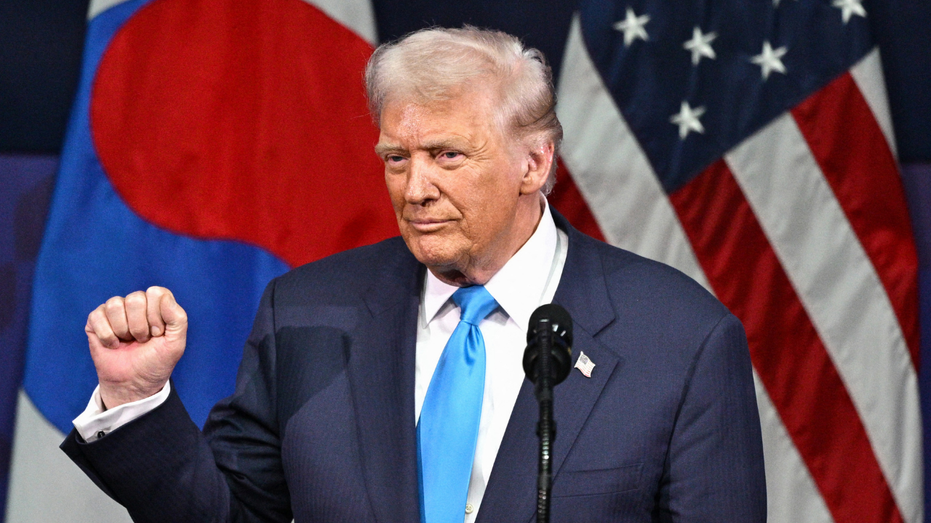
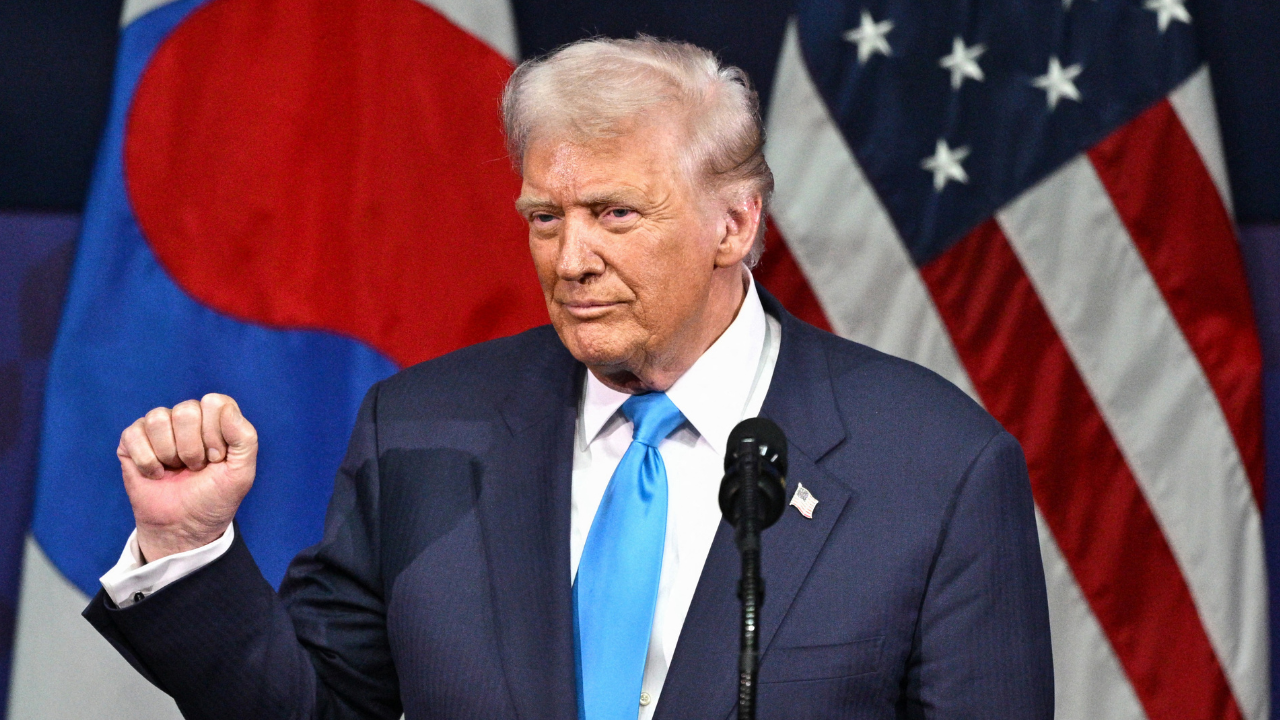
President Donald Trump said he would raise tariffs back up to 25% on South Korea following delays in an agreed trade deal. (Anthony Wallace/AFP/Getty Images)
Trump elaborated, stating, “Because the Korean Legislature hasn’t enacted our historic trade agreement, which is their prerogative, I am hereby increasing South Korean TARIFFS on Autos, Lumber, Pharma, and all other Reciprocal TARIFFS, from 15% to 25%.” The South Korean Embassy in Washington, D.C., has yet to respond to inquiries regarding this announcement.
A COMPLETE TIMELINE OF TRUMP’S TARIFF IMPLEMENTATION STRATEGY ACROSS THE GLOBE
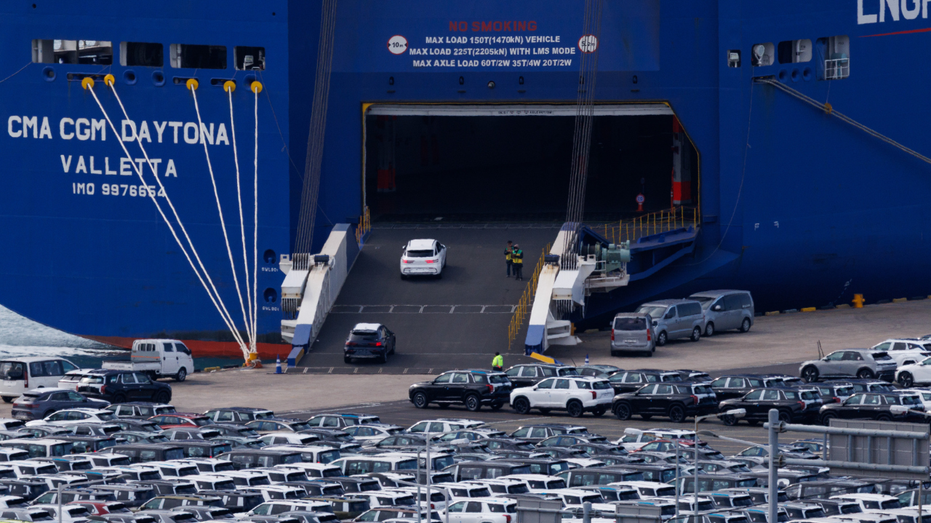
Hyundai vehicles are loaded on a ship at a port near the company’s Ulsan plant in Ulsan, South Korea, on March 30, 2025. (SeongJoon Cho/Bloomberg/Getty Images)
This tariff increase aligns with Trump’s broader strategy for his second term, where he aims to use tariffs as a means of enforcing trade compliance rather than merely as temporary negotiation tools. This announcement comes at a time when the Trump administration is awaiting a Supreme Court ruling regarding the legality of some trade duties imposed in 2025, which could have significant implications for current tariff actions.
CLICK HERE TO GET FOX BUSINESS ON THE GO
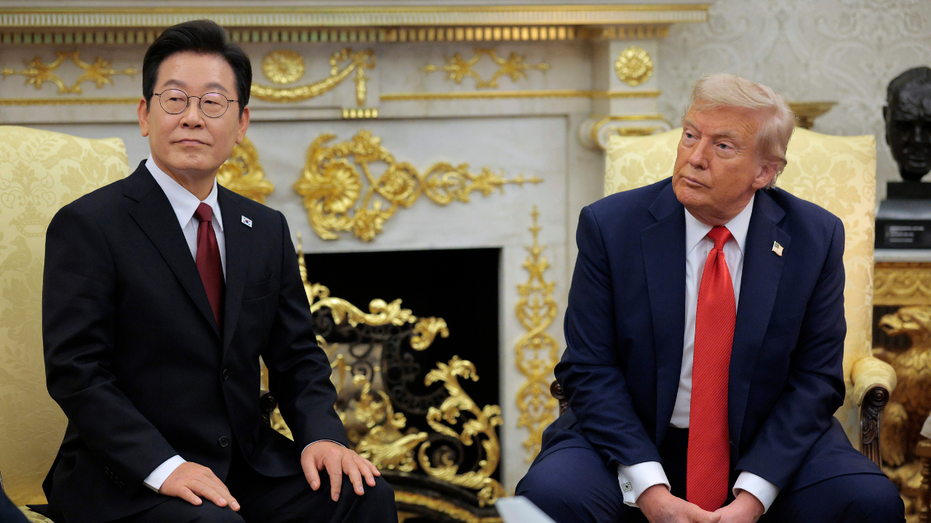
President Donald Trump, at right, and South Korean President Lee Jae-myung agreed to a trade deal in 2025. (Chip Somodevilla/Getty Images)
Tariffs, essentially taxes imposed on imported goods, are initially paid by companies at the border. However, these costs are frequently passed on to consumers through higher prices, placing much of the financial burden on the public. As of now, it remains uncertain when these increased tariffs will take effect or how South Korea will respond to this latest development.
National Foreign Trade Council president Jake Colvin discusses foreign relations under the Trump administration on ‘The Claman Countdown.’
On Monday, President Donald Trump announced a significant increase in tariffs on South Korean imports, specifically targeting autos, lumber, and pharmaceuticals, raising them to 25%. This decision stems from Trump’s assertion that Seoul has “not lived up” to its trade agreement with the United States.
In a post on Truth Social, Trump emphasized the importance of trade deals for America, stating, “Our trade deals are very important to America. In each of these deals, we have acted swiftly to reduce our TARIFFS in line with the transaction agreed to.” He further expressed his expectation that trading partners would reciprocate, noting that South Korea’s legislature had yet to approve the trade agreement.
SOUTH KOREA TO INVEST $350B IN US UNDER NEW TRUMP TRADE AGREEMENT
President Donald Trump said he would raise tariffs back up to 25% on South Korea following delays in an agreed trade deal. (Anthony Wallace/AFP/Getty Images)
Trump elaborated, stating, “Because the Korean Legislature hasn’t enacted our historic trade agreement, which is their prerogative, I am hereby increasing South Korean TARIFFS on Autos, Lumber, Pharma, and all other Reciprocal TARIFFS, from 15% to 25%.” The South Korean Embassy in Washington, D.C., has yet to respond to inquiries regarding this announcement.
A COMPLETE TIMELINE OF TRUMP’S TARIFF IMPLEMENTATION STRATEGY ACROSS THE GLOBE
Hyundai vehicles are loaded on a ship at a port near the company’s Ulsan plant in Ulsan, South Korea, on March 30, 2025. (SeongJoon Cho/Bloomberg/Getty Images)
This tariff increase aligns with Trump’s broader strategy for his second term, where he aims to use tariffs as a means of enforcing trade compliance rather than merely as temporary negotiation tools. This announcement comes at a time when the Trump administration is awaiting a Supreme Court ruling regarding the legality of some trade duties imposed in 2025, which could have significant implications for current tariff actions.
CLICK HERE TO GET FOX BUSINESS ON THE GO
President Donald Trump, at right, and South Korean President Lee Jae-myung agreed to a trade deal in 2025. (Chip Somodevilla/Getty Images)
Tariffs, essentially taxes imposed on imported goods, are initially paid by companies at the border. However, these costs are frequently passed on to consumers through higher prices, placing much of the financial burden on the public. As of now, it remains uncertain when these increased tariffs will take effect or how South Korea will respond to this latest development.