Trump’s Executive Order Eases Regulatory Burdens on Banks Through De-Banking Initiatives

Piper Sandler chief global economist Nancy Lazar discusses the economic outlook for 2026, the importance of patience and more on ‘Making Money.’
America’s largest banks are experiencing a wave of regulatory relief following President Donald Trump’s executive order, which aims to curb de-banking practices that have impacted the U.S. financial system for months.
The previous reputational risk standard, which pressured banks to close accounts based on political affiliations, has been lifted. This shift is allowing financial institutions to adopt more balanced and neutral internal policies, according to sources on Wall Street speaking to Fox Business.
As a result, banks anticipate a decrease in account closures. Additionally, Suspicious Activity Reports (SARs) now require less paperwork, enabling banks to concentrate on genuinely high-risk activities.
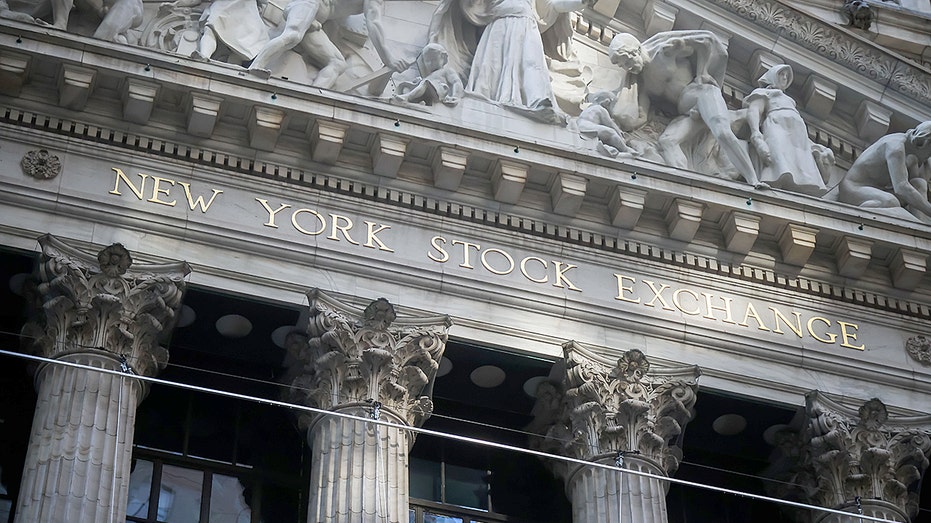
The Trump administration’s executive order has eased regulatory pressure on major banks, reducing politically driven account closures and streamlining compliance requirements. (Michael Nagle/Bloomberg via Getty Images / Getty Images)
“We appreciate the constructive steps taken by the Administration, and we’ve implemented additional measures to enhance transparency for our clients and to address any inaccurate perceptions around our practices,” a spokesperson for Bank of America told Fox Business.
TRUMP TAKES AXE TO FEDERAL RED TAPE, CUTS 600+ RULES IN ONE YEAR, TOUTS BILLIONS IN SAVINGS
Bank of America has introduced new policies to inform clients about the reasons for account closures whenever possible. The bank asserts that it has never revoked accounts for political reasons, although it acknowledges that regulatory pressure from previous administrations existed.
While the bank has lifted categorical prohibitions on specific sectors, the regulatory relief has clarified that political affiliation or viewpoint has never been a factor in account eligibility.
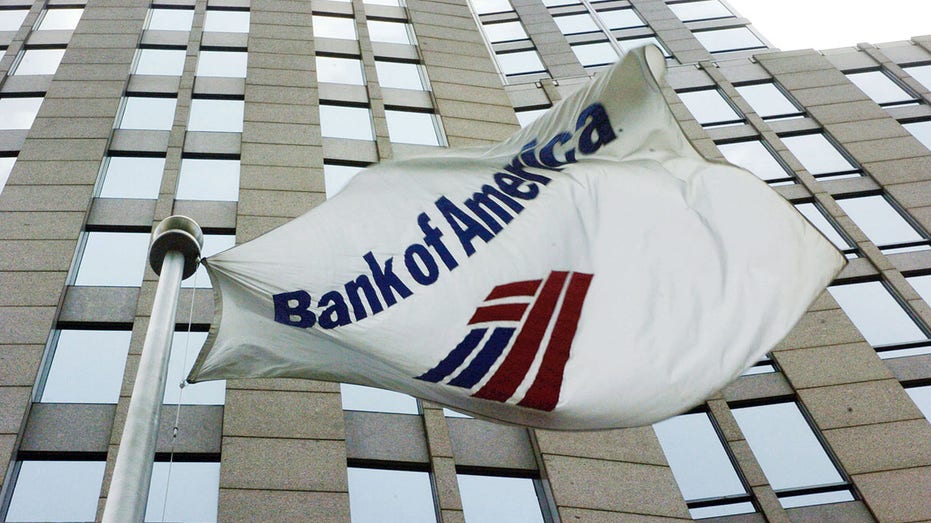
Bank of America says regulatory relief has allowed it to improve transparency around account closures while reaffirming that political affiliation or viewpoint has never been a factor in its banking decisions. (Davis Turner/Getty Images / Getty Images)
Senate Banking Chairman Tim Scott characterized the role of regulators in the banking industry as “a financial swamp in D.C. and beyond that decides who gets an account, who gets a loan, who has access.”
RED STATE OFFICIAL RECOUNTS PERSONAL EXPERIENCE OF BEING ‘DEBANKED’ AND WHY IT ‘HAS TO BE STOPPED’
Scott emphasized that these regulators are not elected by the citizens of the country, highlighting the disconnect between regulatory power and public accountability.
The Financial Crimes Enforcement Network (FinCEN), operating under the Treasury Department, issued an FAQ in October detailing updates in SARs reporting requirements.
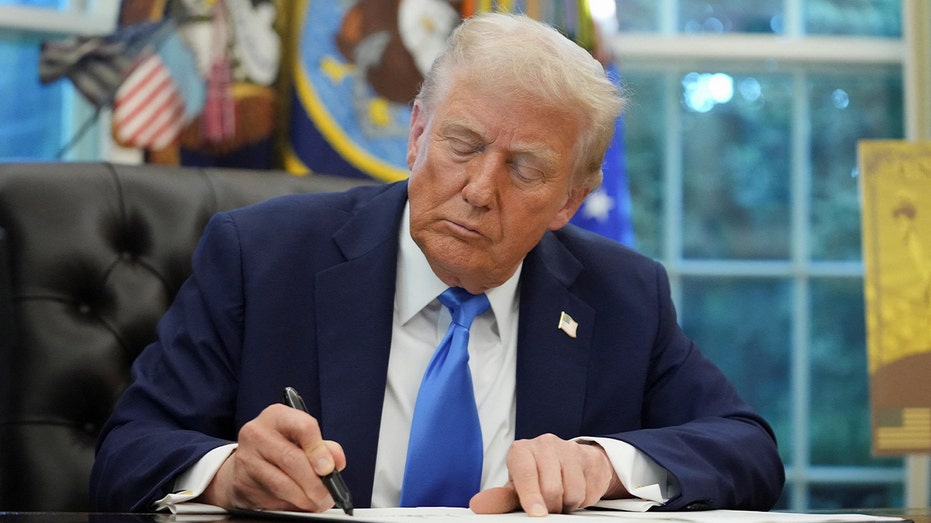
President Donald Trump signed an executive order to rein in de-banking policies that pushed regulators to influence banks to close accounts unnecessarily last August. (Ken Cedeno/Reuters / Reuters)
Before the FAQ, banks were required to file SARs or provide explanations for why SARs were not submitted. The repercussions for non-compliance with stringent and often biased regulatory requirements were severe. However, sources indicate that the Trump administration’s approach has alleviated some of these pressures, particularly regarding political de-banking.
SMALL BUSINESS ADMINISTRATION UNVEILS NEW INITIATIVE TO ROLL BACK FEDERAL REGULATIONS
The extensive regulatory powers were established during Operation Choke Point under President Barack Obama, allowing regulators to target bank accounts based on vaguely defined “reputational risk.” Trump’s executive order has reversed these standards, enabling banks to operate with reduced scrutiny.
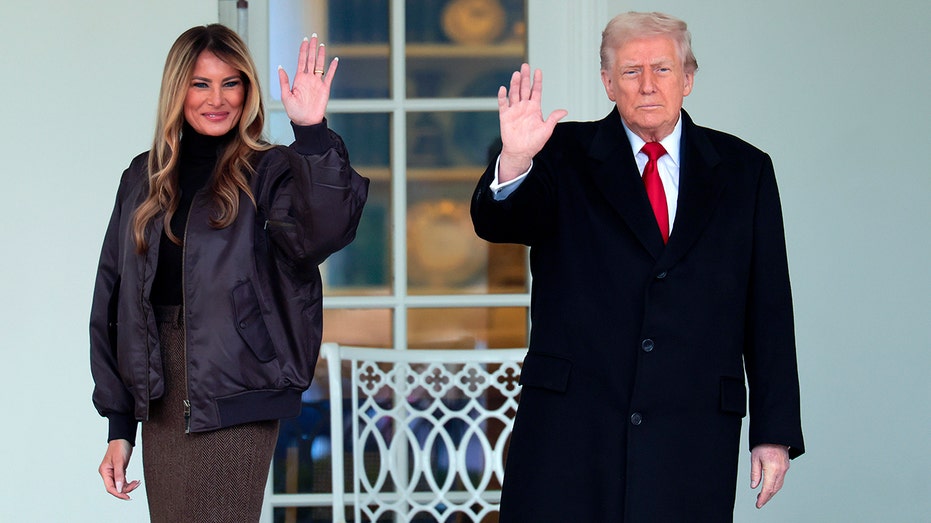
First Lady Melania Trump said in her memoir that her bank account was debanked following the events of January 6, 2021. (Heather Diehl/Getty Images / Getty Images)
In her memoir, First Lady Melania Trump revealed that her bank account was closed following the January 6, 2021, events, highlighting the personal impact of reputational risk.
While Trump’s executive order has significantly reduced regulatory power, it remains vulnerable to reversal by future administrations.
Senate Banking Chairman Tim Scott is advocating for the Financial Integrity and Regulation Management (FIRM) Act, which aims to codify the protections against political de-banking practices, ensuring that these regulations cannot be easily overturned.
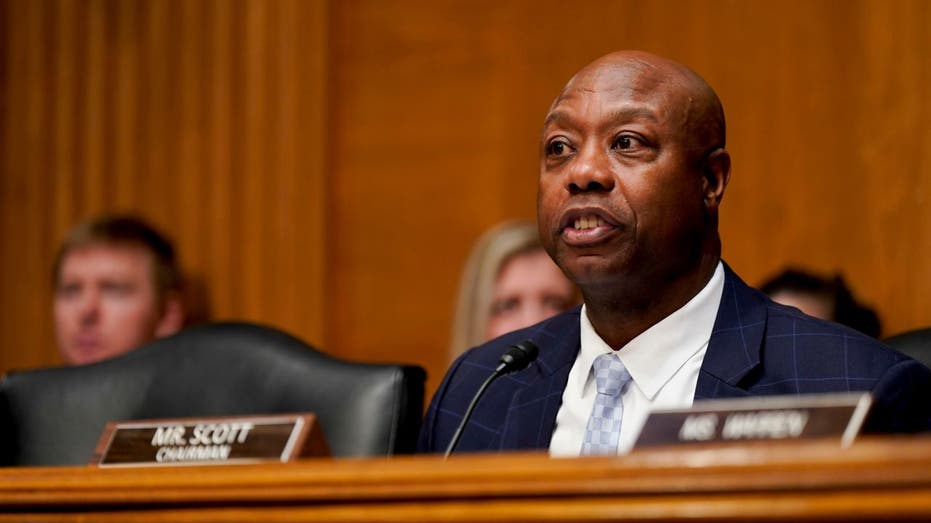
Senate Banking Chairman Tim Scott has pushed for the passage of the FIRM Act, which would codify the policies set forth in President Trump’s executive order. (Al Drago/Bloomberg via Getty Images / Getty Images)
“I’ve pushed back on Washington regulators who tried to pressure banks into cutting off lawful businesses and everyday Americans,” Scott stated in an interview with Fox News Digital. “President Trump understands that no one should be locked out of the financial system, which is why he signed an executive order to stop this practice.”
CLICK HERE TO DOWNLOAD THE FOX NEWS APP
“We’re already seeing real results – regulators are pulling back rules that punished banks for serving legal customers, thanks to the President’s action and my FIRM Act,” Scott added. The FIRM Act has successfully passed through the Senate Banking Committee and is now awaiting a vote on the Senate floor.
Piper Sandler chief global economist Nancy Lazar discusses the economic outlook for 2026, the importance of patience and more on ‘Making Money.’
America’s largest banks are experiencing a wave of regulatory relief following President Donald Trump’s executive order, which aims to curb de-banking practices that have impacted the U.S. financial system for months.
The previous reputational risk standard, which pressured banks to close accounts based on political affiliations, has been lifted. This shift is allowing financial institutions to adopt more balanced and neutral internal policies, according to sources on Wall Street speaking to Fox Business.
As a result, banks anticipate a decrease in account closures. Additionally, Suspicious Activity Reports (SARs) now require less paperwork, enabling banks to concentrate on genuinely high-risk activities.
The Trump administration’s executive order has eased regulatory pressure on major banks, reducing politically driven account closures and streamlining compliance requirements. (Michael Nagle/Bloomberg via Getty Images / Getty Images)
“We appreciate the constructive steps taken by the Administration, and we’ve implemented additional measures to enhance transparency for our clients and to address any inaccurate perceptions around our practices,” a spokesperson for Bank of America told Fox Business.
TRUMP TAKES AXE TO FEDERAL RED TAPE, CUTS 600+ RULES IN ONE YEAR, TOUTS BILLIONS IN SAVINGS
Bank of America has introduced new policies to inform clients about the reasons for account closures whenever possible. The bank asserts that it has never revoked accounts for political reasons, although it acknowledges that regulatory pressure from previous administrations existed.
While the bank has lifted categorical prohibitions on specific sectors, the regulatory relief has clarified that political affiliation or viewpoint has never been a factor in account eligibility.
Bank of America says regulatory relief has allowed it to improve transparency around account closures while reaffirming that political affiliation or viewpoint has never been a factor in its banking decisions. (Davis Turner/Getty Images / Getty Images)
Senate Banking Chairman Tim Scott characterized the role of regulators in the banking industry as “a financial swamp in D.C. and beyond that decides who gets an account, who gets a loan, who has access.”
RED STATE OFFICIAL RECOUNTS PERSONAL EXPERIENCE OF BEING ‘DEBANKED’ AND WHY IT ‘HAS TO BE STOPPED’
Scott emphasized that these regulators are not elected by the citizens of the country, highlighting the disconnect between regulatory power and public accountability.
The Financial Crimes Enforcement Network (FinCEN), operating under the Treasury Department, issued an FAQ in October detailing updates in SARs reporting requirements.
President Donald Trump signed an executive order to rein in de-banking policies that pushed regulators to influence banks to close accounts unnecessarily last August. (Ken Cedeno/Reuters / Reuters)
Before the FAQ, banks were required to file SARs or provide explanations for why SARs were not submitted. The repercussions for non-compliance with stringent and often biased regulatory requirements were severe. However, sources indicate that the Trump administration’s approach has alleviated some of these pressures, particularly regarding political de-banking.
SMALL BUSINESS ADMINISTRATION UNVEILS NEW INITIATIVE TO ROLL BACK FEDERAL REGULATIONS
The extensive regulatory powers were established during Operation Choke Point under President Barack Obama, allowing regulators to target bank accounts based on vaguely defined “reputational risk.” Trump’s executive order has reversed these standards, enabling banks to operate with reduced scrutiny.
First Lady Melania Trump said in her memoir that her bank account was debanked following the events of January 6, 2021. (Heather Diehl/Getty Images / Getty Images)
In her memoir, First Lady Melania Trump revealed that her bank account was closed following the January 6, 2021, events, highlighting the personal impact of reputational risk.
While Trump’s executive order has significantly reduced regulatory power, it remains vulnerable to reversal by future administrations.
Senate Banking Chairman Tim Scott is advocating for the Financial Integrity and Regulation Management (FIRM) Act, which aims to codify the protections against political de-banking practices, ensuring that these regulations cannot be easily overturned.
Senate Banking Chairman Tim Scott has pushed for the passage of the FIRM Act, which would codify the policies set forth in President Trump’s executive order. (Al Drago/Bloomberg via Getty Images / Getty Images)
“I’ve pushed back on Washington regulators who tried to pressure banks into cutting off lawful businesses and everyday Americans,” Scott stated in an interview with Fox News Digital. “President Trump understands that no one should be locked out of the financial system, which is why he signed an executive order to stop this practice.”
CLICK HERE TO DOWNLOAD THE FOX NEWS APP
“We’re already seeing real results – regulators are pulling back rules that punished banks for serving legal customers, thanks to the President’s action and my FIRM Act,” Scott added. The FIRM Act has successfully passed through the Senate Banking Committee and is now awaiting a vote on the Senate floor.