Trump’s Health Accounts Proposal: A Look at Past Trials and Patient Debt Consequences

December 09, 2025
KFF Health News: Trump’s Idea for Health Accounts Has Been Tried. Millions of Patients Have Ended Up in Debt.
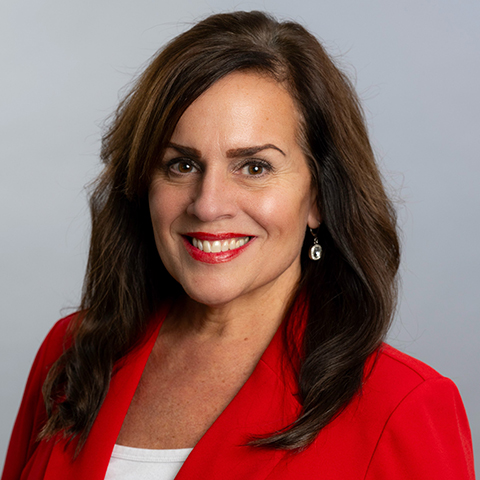
Sarah Monroe once enjoyed a comfortable middle-class lifestyle. Living in a well-kept neighborhood near Cleveland, she and her family boasted a six-figure income and health insurance. However, four years ago, during her pregnancy with twin girls, her health began to decline.
“I kept having to come into the emergency room for fainting and other symptoms,” recalled Monroe, 43, who works for an insurance company. While her babies were healthy, Monroe faced a daunting diagnosis: a potentially dangerous heart condition.
The financial burden was immense. Within a year, as she managed her illness alongside caring for newborns, Monroe found herself overwhelmed by over $13,000 in medical debt. A significant factor contributing to this debt was her high-deductible health plan, which requires individuals to pay thousands out-of-pocket before insurance coverage begins.
These plans have gained popularity over the past two decades, drawing renewed attention from President Donald Trump and his GOP allies in Congress. Many Republicans are hesitant to extend government subsidies that assist with medical bills and insurance premiums under the Affordable Care Act.
While GOP leaders have yet to present a unified alternative, several prominent lawmakers propose that Americans without employer-sponsored insurance should receive cash in a specialized health care account, paired with a high-deductible health plan. This arrangement allows individuals to select a more affordable plan on an ACA marketplace, albeit with an annual deductible that can exceed $7,000.
“A patient makes the decision,” stated Sen. Bill Cassidy (R-La.) during a recent hearing. “It empowers the patient to lower the cost.” In a post on Truth Social, Trump emphasized, “The only healthcare I will support or approve is sending the money directly back to the people.”
Conservative economists and GOP lawmakers have championed similar arguments since the rise of high-deductible health plans two decades ago. Initially, a backlash against the limitations of HMOs prompted many employers to transition workers to these plans, which were designed to empower patients and control costs. Tax law changes allowed patients to save money in tax-free health savings accounts for medical expenses.
“The idea was that if a consumer has ‘skin in the game,’ they would be more inclined to seek higher-quality, lower-cost care,” explained Shawn Gremminger, who leads the National Alliance of Healthcare Purchaser Coalitions, a nonprofit that collaborates with employers offering health benefits.
“Unfortunately, that has largely not been the case,” Gremminger added. Today, deductibles are nearly universal, with the average for a single worker with job-based coverage nearing $1,700, a significant increase from around $300 in 2006.
Despite the prevalence of high deductibles, medical prices in the U.S. have soared. For instance, the average cost of a knee replacement rose 74% from 2003 to 2016, more than double the overall inflation rate. Consequently, patients are left with substantial medical bills they cannot afford, even with insurance.
A staggering 100 million Americans carry some form of healthcare debt, according to a 2022 survey. Most, like Monroe, are insured.
Although Monroe had a health savings account linked to her high-deductible plan, she struggled to save more than a few thousand dollars, which fell short of covering the substantial expenses incurred during her twins’ birth and her serious illness. “It’s impossible, I will tell you, impossible to pay medical bills,” she lamented.
Another issue with her high-deductible plan was the expectation that patients would shop around for medical care to find the best prices. Monroe found this unrealistic given her complex pregnancy and heart condition. Ultimately, she opted for the largest health system in her area for comprehensive care.
“I chose that one for medical risk,” she explained. “If anything were to happen, I could be transferred within that system.” While federal regulations now require hospitals to disclose more pricing information, comparing medical services remains challenging. Unlike purchasing a car or computer, most medical services arise from emergencies or involve complex, long-term treatments.
Researchers at the nonprofit Health Care Cost Institute estimate that only 7% of total healthcare spending for Americans with job-based coverage is for services that can realistically be compared.
Fumiko Chino, an oncologist at the MD Anderson Cancer Center in Houston, argues that expecting patients with serious conditions to compare prices for complex treatments is impractical. “You’re not going to be able to do that effectively,” she stated, “especially when facing a cancer diagnosis and the urgent need for treatment.”
Chino and her colleagues found in a study presented last year that cancer patients with high-deductible insurance were more likely to die than similar patients without such coverage.
For Monroe and her family, the financial strain forced them to downsize from their home to a 1,100-square-foot apartment. They drained their savings, saw their credit score plummet, and even had their car repossessed. “When families get to have nice Christmases or go on spring break,” Monroe reflected, “ours often does not.”
While she is grateful for her children’s health and her job, Monroe cannot fathom why anyone would want to reinforce the high-deductible healthcare model. “We owe it to ourselves to do it a different way,” she asserted. “We can’t treat people like this.”
KFF Health News is a national newsroom that produces in-depth journalism about health issues and is one of the core operating programs at KFF—an independent source of health policy research, polling, and journalism. Learn more about KFF.
December 09, 2025
KFF Health News: Trump’s Idea for Health Accounts Has Been Tried. Millions of Patients Have Ended Up in Debt.
Sarah Monroe once enjoyed a comfortable middle-class lifestyle. Living in a well-kept neighborhood near Cleveland, she and her family boasted a six-figure income and health insurance. However, four years ago, during her pregnancy with twin girls, her health began to decline.
“I kept having to come into the emergency room for fainting and other symptoms,” recalled Monroe, 43, who works for an insurance company. While her babies were healthy, Monroe faced a daunting diagnosis: a potentially dangerous heart condition.
The financial burden was immense. Within a year, as she managed her illness alongside caring for newborns, Monroe found herself overwhelmed by over $13,000 in medical debt. A significant factor contributing to this debt was her high-deductible health plan, which requires individuals to pay thousands out-of-pocket before insurance coverage begins.
These plans have gained popularity over the past two decades, drawing renewed attention from President Donald Trump and his GOP allies in Congress. Many Republicans are hesitant to extend government subsidies that assist with medical bills and insurance premiums under the Affordable Care Act.
While GOP leaders have yet to present a unified alternative, several prominent lawmakers propose that Americans without employer-sponsored insurance should receive cash in a specialized health care account, paired with a high-deductible health plan. This arrangement allows individuals to select a more affordable plan on an ACA marketplace, albeit with an annual deductible that can exceed $7,000.
“A patient makes the decision,” stated Sen. Bill Cassidy (R-La.) during a recent hearing. “It empowers the patient to lower the cost.” In a post on Truth Social, Trump emphasized, “The only healthcare I will support or approve is sending the money directly back to the people.”
Conservative economists and GOP lawmakers have championed similar arguments since the rise of high-deductible health plans two decades ago. Initially, a backlash against the limitations of HMOs prompted many employers to transition workers to these plans, which were designed to empower patients and control costs. Tax law changes allowed patients to save money in tax-free health savings accounts for medical expenses.
“The idea was that if a consumer has ‘skin in the game,’ they would be more inclined to seek higher-quality, lower-cost care,” explained Shawn Gremminger, who leads the National Alliance of Healthcare Purchaser Coalitions, a nonprofit that collaborates with employers offering health benefits.
“Unfortunately, that has largely not been the case,” Gremminger added. Today, deductibles are nearly universal, with the average for a single worker with job-based coverage nearing $1,700, a significant increase from around $300 in 2006.
Despite the prevalence of high deductibles, medical prices in the U.S. have soared. For instance, the average cost of a knee replacement rose 74% from 2003 to 2016, more than double the overall inflation rate. Consequently, patients are left with substantial medical bills they cannot afford, even with insurance.
A staggering 100 million Americans carry some form of healthcare debt, according to a 2022 survey. Most, like Monroe, are insured.
Although Monroe had a health savings account linked to her high-deductible plan, she struggled to save more than a few thousand dollars, which fell short of covering the substantial expenses incurred during her twins’ birth and her serious illness. “It’s impossible, I will tell you, impossible to pay medical bills,” she lamented.
Another issue with her high-deductible plan was the expectation that patients would shop around for medical care to find the best prices. Monroe found this unrealistic given her complex pregnancy and heart condition. Ultimately, she opted for the largest health system in her area for comprehensive care.
“I chose that one for medical risk,” she explained. “If anything were to happen, I could be transferred within that system.” While federal regulations now require hospitals to disclose more pricing information, comparing medical services remains challenging. Unlike purchasing a car or computer, most medical services arise from emergencies or involve complex, long-term treatments.
Researchers at the nonprofit Health Care Cost Institute estimate that only 7% of total healthcare spending for Americans with job-based coverage is for services that can realistically be compared.
Fumiko Chino, an oncologist at the MD Anderson Cancer Center in Houston, argues that expecting patients with serious conditions to compare prices for complex treatments is impractical. “You’re not going to be able to do that effectively,” she stated, “especially when facing a cancer diagnosis and the urgent need for treatment.”
Chino and her colleagues found in a study presented last year that cancer patients with high-deductible insurance were more likely to die than similar patients without such coverage.
For Monroe and her family, the financial strain forced them to downsize from their home to a 1,100-square-foot apartment. They drained their savings, saw their credit score plummet, and even had their car repossessed. “When families get to have nice Christmases or go on spring break,” Monroe reflected, “ours often does not.”
While she is grateful for her children’s health and her job, Monroe cannot fathom why anyone would want to reinforce the high-deductible healthcare model. “We owe it to ourselves to do it a different way,” she asserted. “We can’t treat people like this.”
KFF Health News is a national newsroom that produces in-depth journalism about health issues and is one of the core operating programs at KFF—an independent source of health policy research, polling, and journalism. Learn more about KFF.