TVA Set to Reconsider Closure of Two Coal-Fired Power Plants
The nation’s largest public utility, the Tennessee Valley Authority (TVA), has announced a significant shift in its energy strategy. Initially planning to close two coal-fired power plants, TVA now prefers to keep them operational. This decision comes just before a board meeting, which features a majority of members appointed during the coal-friendly Trump administration.
In recent filings, TVA indicated its desire to abandon closure dates for the Kingston Fossil Plant and the Cumberland Fossil Plant, both located in Tennessee. This change would necessitate further action from its board, although the new plan still includes the introduction of natural gas-fired plants at these sites.
Originally, TVA aimed to retire its remaining coal plants by 2035 as part of an initiative to reduce greenhouse gas emissions contributing to climate change. Serving approximately 10 million people across seven states, TVA is now reconsidering these closures due to regulatory changes and a rising demand for electricity.
“As power demand grows, TVA is looking at every option to bolster our generating fleet to continue providing affordable, reliable electricity to our 10 million customers, create jobs, and help communities thrive,” stated TVA spokesperson Scott Brooks.
However, several clean energy advocates have raised concerns about this decision. They argue that extending the life of coal plants contradicts TVA’s previous statements about needing more natural gas facilities to phase out polluting coal operations. Gabi Lichtenstein, Tennessee Program Coordinator for Appalachian Voices, criticized the lack of public consultation, saying, “TVA is telling the people who live near these coal plants that they will breathe in toxic pollution from not one, but two major power plants for the foreseeable future.”
During his presidency, Donald Trump removed enough TVA board members to leave the utility without a quorum, limiting its ability to make significant changes. Trump subsequently signed executive orders aimed at supporting the coal industry. In May, TVA’s president and CEO, Don Moul, mentioned that the utility was reevaluating the lifespan of its coal plants in light of these orders.
In December, the U.S. Senate confirmed four Trump-nominated board members, restoring the quorum. TVA’s board is set to meet in Kentucky on Wednesday to discuss these developments.
Critics have previously condemned TVA for planning to build more natural gas plants while winding down its coal fleet, arguing that the utility should expedite its transition to renewable energy sources like solar.
TVA has long aimed for an 80% reduction in carbon emissions by 2035 compared to 2005 levels, with a goal of achieving net-zero emissions by 2050. This plan emphasizes nuclear power and the potential for next-generation reactors. President Biden has called for a carbon-pollution-free energy sector by 2035.
Clean energy advocates have pointed out that the rapid growth of data centers supporting artificial intelligence is partly responsible for the increasing demand for electricity. In a recent investors call, TVA President and CEO Don Moul noted that data center demand is expected to double by 2030, accounting for 18% of its industrial load in 2025.
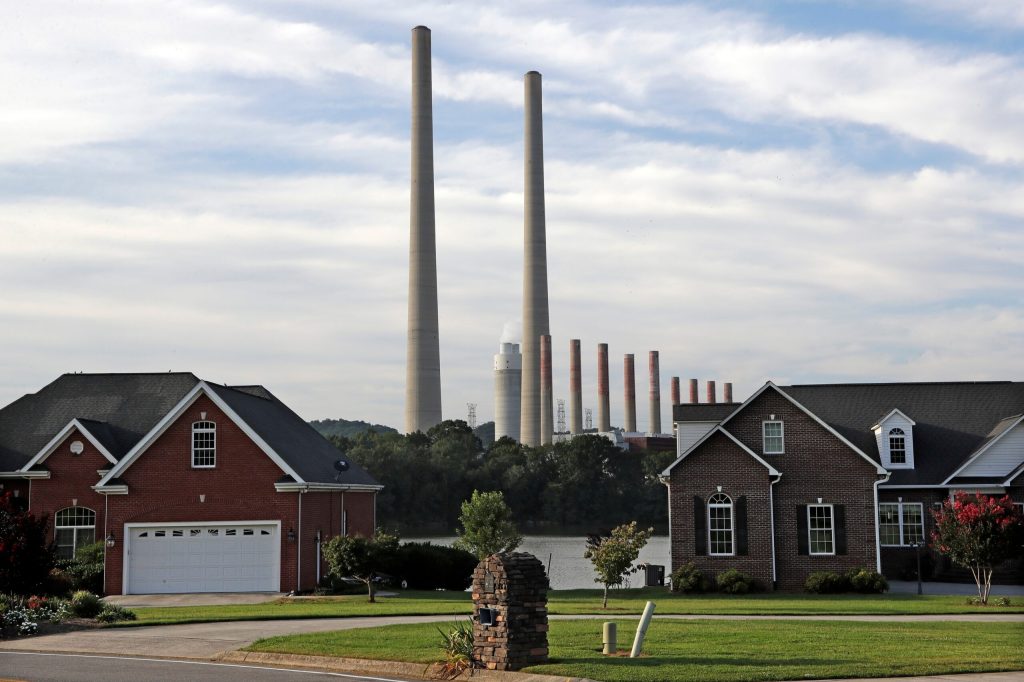
Under a 2024 final decision, TVA had planned to construct a 1,500-megawatt natural gas facility, along with 4 megawatts of solar and 100 megawatts of battery storage at the Kingston Fossil Plant. This site, which houses a 2,470-megawatt coal plant completed in 1955, was also the location of a significant 2008 coal ash spill. The coal plant was initially slated for closure, with the gas plant expected to come online by the end of 2027.
The revised proposal would maintain the coal, gas, and battery facilities but eliminate the solar component.
In a 2023 decision, TVA planned to mothball its two-unit Cumberland coal plant in two stages, with the first stage set for the end of 2026, to be replaced by a 1,450-megawatt natural gas plant. The second stage would involve shutting down the plant by the end of 2028, with options for its replacement still open. The Cumberland coal plant, completed in 1973, is TVA’s largest coal generating asset.
Trump had previously clashed with TVA during his first term, including opposing a coal plant closure. Ultimately, the board voted to close the Paradise Fossil Plant in Kentucky, with its last towers demolished in 2024.
In 2020, Trump dismissed the former TVA board chairman and another board member, prompting TVA to reverse its decision on hiring foreign labor for IT jobs. He also criticized the CEO’s pay, which was $7.3 million for the 2020 budget year and exceeded $10.5 million for 2024. TVA has emphasized that it does not receive federal taxpayer money and is funded by electricity customers, asserting that the CEO’s compensation falls within the bottom quartile of the power industry.
Photo: The Kingston Fossil Plant smokestacks in Kingston, Tenn., in 2019. (AP Photo/Mark Humphrey, File)
Copyright 2026 Associated Press. All rights reserved. This material may not be published, broadcast, rewritten, or redistributed.
The nation’s largest public utility, the Tennessee Valley Authority (TVA), has announced a significant shift in its energy strategy. Initially planning to close two coal-fired power plants, TVA now prefers to keep them operational. This decision comes just before a board meeting, which features a majority of members appointed during the coal-friendly Trump administration.
In recent filings, TVA indicated its desire to abandon closure dates for the Kingston Fossil Plant and the Cumberland Fossil Plant, both located in Tennessee. This change would necessitate further action from its board, although the new plan still includes the introduction of natural gas-fired plants at these sites.
Originally, TVA aimed to retire its remaining coal plants by 2035 as part of an initiative to reduce greenhouse gas emissions contributing to climate change. Serving approximately 10 million people across seven states, TVA is now reconsidering these closures due to regulatory changes and a rising demand for electricity.
“As power demand grows, TVA is looking at every option to bolster our generating fleet to continue providing affordable, reliable electricity to our 10 million customers, create jobs, and help communities thrive,” stated TVA spokesperson Scott Brooks.
However, several clean energy advocates have raised concerns about this decision. They argue that extending the life of coal plants contradicts TVA’s previous statements about needing more natural gas facilities to phase out polluting coal operations. Gabi Lichtenstein, Tennessee Program Coordinator for Appalachian Voices, criticized the lack of public consultation, saying, “TVA is telling the people who live near these coal plants that they will breathe in toxic pollution from not one, but two major power plants for the foreseeable future.”
During his presidency, Donald Trump removed enough TVA board members to leave the utility without a quorum, limiting its ability to make significant changes. Trump subsequently signed executive orders aimed at supporting the coal industry. In May, TVA’s president and CEO, Don Moul, mentioned that the utility was reevaluating the lifespan of its coal plants in light of these orders.
In December, the U.S. Senate confirmed four Trump-nominated board members, restoring the quorum. TVA’s board is set to meet in Kentucky on Wednesday to discuss these developments.
Critics have previously condemned TVA for planning to build more natural gas plants while winding down its coal fleet, arguing that the utility should expedite its transition to renewable energy sources like solar.
TVA has long aimed for an 80% reduction in carbon emissions by 2035 compared to 2005 levels, with a goal of achieving net-zero emissions by 2050. This plan emphasizes nuclear power and the potential for next-generation reactors. President Biden has called for a carbon-pollution-free energy sector by 2035.
Clean energy advocates have pointed out that the rapid growth of data centers supporting artificial intelligence is partly responsible for the increasing demand for electricity. In a recent investors call, TVA President and CEO Don Moul noted that data center demand is expected to double by 2030, accounting for 18% of its industrial load in 2025.
Under a 2024 final decision, TVA had planned to construct a 1,500-megawatt natural gas facility, along with 4 megawatts of solar and 100 megawatts of battery storage at the Kingston Fossil Plant. This site, which houses a 2,470-megawatt coal plant completed in 1955, was also the location of a significant 2008 coal ash spill. The coal plant was initially slated for closure, with the gas plant expected to come online by the end of 2027.
The revised proposal would maintain the coal, gas, and battery facilities but eliminate the solar component.
In a 2023 decision, TVA planned to mothball its two-unit Cumberland coal plant in two stages, with the first stage set for the end of 2026, to be replaced by a 1,450-megawatt natural gas plant. The second stage would involve shutting down the plant by the end of 2028, with options for its replacement still open. The Cumberland coal plant, completed in 1973, is TVA’s largest coal generating asset.
Trump had previously clashed with TVA during his first term, including opposing a coal plant closure. Ultimately, the board voted to close the Paradise Fossil Plant in Kentucky, with its last towers demolished in 2024.
In 2020, Trump dismissed the former TVA board chairman and another board member, prompting TVA to reverse its decision on hiring foreign labor for IT jobs. He also criticized the CEO’s pay, which was $7.3 million for the 2020 budget year and exceeded $10.5 million for 2024. TVA has emphasized that it does not receive federal taxpayer money and is funded by electricity customers, asserting that the CEO’s compensation falls within the bottom quartile of the power industry.
Photo: The Kingston Fossil Plant smokestacks in Kingston, Tenn., in 2019. (AP Photo/Mark Humphrey, File)
Copyright 2026 Associated Press. All rights reserved. This material may not be published, broadcast, rewritten, or redistributed.