Types of Senior Living Communities Explained: How to Choose the Best Fit

Growing old gracefully presents unique challenges, particularly when it comes to living arrangements. Many elderly individuals find themselves needing to transition to a
According to the U.S. Department of Health and Human Services, approximately 70% of individuals aged 65 and older require long-term care services. Interestingly, 40% of those currently receiving these services are under the age of 64, challenging the common belief that long-term care is solely for seniors.
Understanding the differences among various
Assisted Living
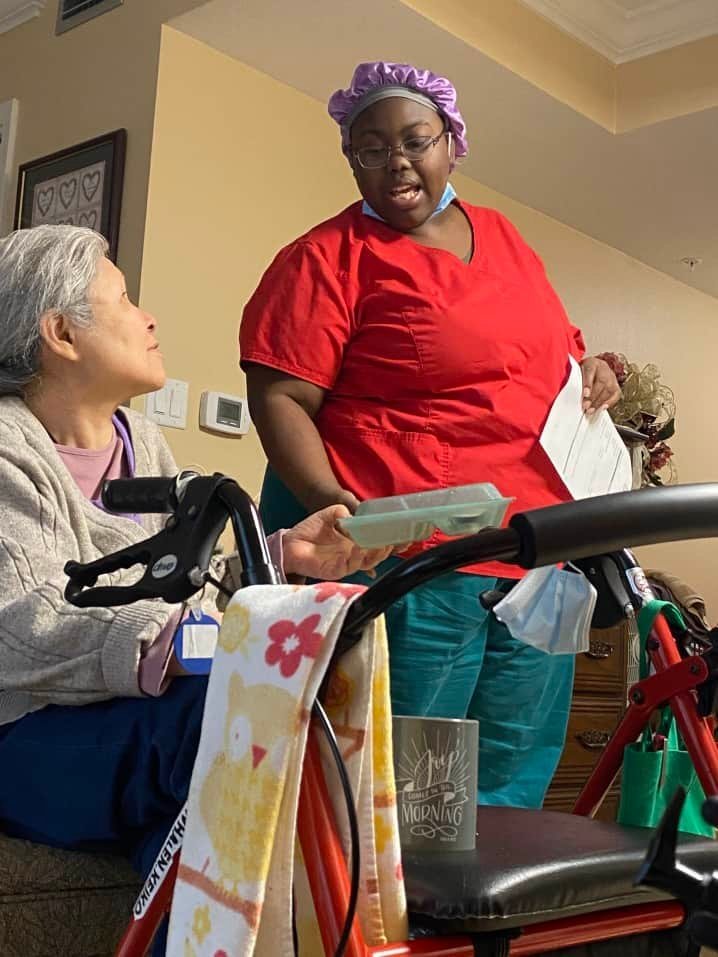
Assisted Living Facilities (ALFs), also known as retirement homes or residential care facilities, primarily assist residents with minor medical services. The goal is to treat each resident like family, providing personalized care to help maintain or regain independence. Currently, over 800,000 Americans reside in assisted living facilities, with more than half being aged 85 or older.
Choosing assisted living over remaining at home can significantly enhance quality of life and improve health and safety. Typically, apartments include one unfurnished room, a private wheelchair-accessible bathroom, and a kitchenette. On-site maintenance is available, and a registered nurse along with an experienced care team is present around the clock to assist with first-aid, bathing, dressing, medication management, and therapies.
Most ALFs also feature an on-site fitness center, wellness center, 24/7 security, and an emergency call system. Scheduled transportation is provided for medical appointments or shopping, and residents enjoy three nutritious chef-prepared meals daily. A monthly calendar of events encourages participation in social, spiritual, recreational, cultural, and educational programs.
Care.com can help you search for and connect with caregivers and
Monthly fees vary based on facility size, included services, and individual needs. According to Genworth Financial, the average cost of assisted living in 2020 was $4,300 per month, totaling $51,600 annually. Costs differ by state; for instance, a one-bedroom apartment in Florida averages $3,700 monthly, while in New Jersey, it can reach $6,650.
Supportive Living
Supportive living communities offer personal care, daily socialization, and educational activities in a comfortable, home-like environment. Residents typically enjoy private apartments and may have access to outdoor spaces, recreational rooms, and beauty services.
Unlike assisted living, supportive living services are often provided at a reduced or subsidized cost. If a resident can no longer afford care, they are not required to move out, making these communities invaluable for seniors and their families.
For instance, a 77-year-old family member thrived in an independent
Documents Needed for Supporting Living
- Birth certificate and social security card
- Medicare and/or Medicaid Insurance
- Primary physician’s name, address, and phone number
- Life insurance policies including cash surrender value
- Irrevocable Trust State showing a funeral home as Trustee
- Funeral home’s financial worksheet
- Maximum of $2,000 in total assets
- List of properties sold, transferred, or given away in the last 5 years
- Financial accounts; checking, savings, 401K, trust, IRA, investments, life insurance, etc. (closed or cashed in the last 5 years)
- Car ownership within the last 5 years
- Any Power of Attorney (POA) for Health Care and financial property
In supportive living, rent is determined by personal income. For example, after her monthly rent was deducted from her social security benefits, she had a $90 monthly allowance.
Services and amenities can vary widely among communities. In Illinois, minimum services in supportive living include:
- 24/7 Nursing assistance (CNAs)
- Help with bathing, dressing, and medication management
- Three meals a day
- Housekeeping and laundry service
- Social, educational, and wellness activities
- Transportation for appointments
- Wheelchair-accessible kitchenette with microwave
- Wheelchair-accessible bathroom with walk-in shower
- Wall-mounted TV and basic cable services
- 24/7 Security and Emergency Call Systems
- On-site activity room, library, beauty and barber salon, fitness center, and more
- Social programs and activities

Independent Living
Independent Living communities, often referred to as retirement communities or senior living communities, cater to residents typically aged 55 and older who can live independently without daily assistance. Some may require help with a few daily activities and can access outside home health care services.
These communities are ideal for seniors looking to downsize or travel without the burden of home maintenance. They offer less upkeep and greater access to nutritious meals, social interactions, and mental stimulation.
The primary distinction between assisted living and independent
Independent
Common amenities in independent living facilities include:
- Housekeeping and laundry service
- Stove, dishwasher, and full-size refrigerator
- On-site activity room, library, beauty and barber salon, fitness center, and more
- Social programs coordinated by residents and staff
- Transportation to appointments and shopping
- 24/7 Security and Emergency Call System
- Acceptance of low-income residents in most communities
- Small pets welcome (in some communities)
Growing old gracefully presents unique challenges, particularly when it comes to living arrangements. Many elderly individuals find themselves needing to transition to a
According to the U.S. Department of Health and Human Services, approximately 70% of individuals aged 65 and older require long-term care services. Interestingly, 40% of those currently receiving these services are under the age of 64, challenging the common belief that long-term care is solely for seniors.
Understanding the differences among various
Assisted Living
Assisted Living Facilities (ALFs), also known as retirement homes or residential care facilities, primarily assist residents with minor medical services. The goal is to treat each resident like family, providing personalized care to help maintain or regain independence. Currently, over 800,000 Americans reside in assisted living facilities, with more than half being aged 85 or older.
Choosing assisted living over remaining at home can significantly enhance quality of life and improve health and safety. Typically, apartments include one unfurnished room, a private wheelchair-accessible bathroom, and a kitchenette. On-site maintenance is available, and a registered nurse along with an experienced care team is present around the clock to assist with first-aid, bathing, dressing, medication management, and therapies.
Most ALFs also feature an on-site fitness center, wellness center, 24/7 security, and an emergency call system. Scheduled transportation is provided for medical appointments or shopping, and residents enjoy three nutritious chef-prepared meals daily. A monthly calendar of events encourages participation in social, spiritual, recreational, cultural, and educational programs.
Care.com can help you search for and connect with caregivers and
Monthly fees vary based on facility size, included services, and individual needs. According to Genworth Financial, the average cost of assisted living in 2020 was $4,300 per month, totaling $51,600 annually. Costs differ by state; for instance, a one-bedroom apartment in Florida averages $3,700 monthly, while in New Jersey, it can reach $6,650.
Supportive Living
Supportive living communities offer personal care, daily socialization, and educational activities in a comfortable, home-like environment. Residents typically enjoy private apartments and may have access to outdoor spaces, recreational rooms, and beauty services.
Unlike assisted living, supportive living services are often provided at a reduced or subsidized cost. If a resident can no longer afford care, they are not required to move out, making these communities invaluable for seniors and their families.
For instance, a 77-year-old family member thrived in an independent
Documents Needed for Supporting Living
- Birth certificate and social security card
- Medicare and/or Medicaid Insurance
- Primary physician’s name, address, and phone number
- Life insurance policies including cash surrender value
- Irrevocable Trust State showing a funeral home as Trustee
- Funeral home’s financial worksheet
- Maximum of $2,000 in total assets
- List of properties sold, transferred, or given away in the last 5 years
- Financial accounts; checking, savings, 401K, trust, IRA, investments, life insurance, etc. (closed or cashed in the last 5 years)
- Car ownership within the last 5 years
- Any Power of Attorney (POA) for Health Care and financial property
In supportive living, rent is determined by personal income. For example, after her monthly rent was deducted from her social security benefits, she had a $90 monthly allowance.
Services and amenities can vary widely among communities. In Illinois, minimum services in supportive living include:
- 24/7 Nursing assistance (CNAs)
- Help with bathing, dressing, and medication management
- Three meals a day
- Housekeeping and laundry service
- Social, educational, and wellness activities
- Transportation for appointments
- Wheelchair-accessible kitchenette with microwave
- Wheelchair-accessible bathroom with walk-in shower
- Wall-mounted TV and basic cable services
- 24/7 Security and Emergency Call Systems
- On-site activity room, library, beauty and barber salon, fitness center, and more
- Social programs and activities
Independent Living
Independent Living communities, often referred to as retirement communities or senior living communities, cater to residents typically aged 55 and older who can live independently without daily assistance. Some may require help with a few daily activities and can access outside home health care services.
These communities are ideal for seniors looking to downsize or travel without the burden of home maintenance. They offer less upkeep and greater access to nutritious meals, social interactions, and mental stimulation.
The primary distinction between assisted living and independent
Independent
Common amenities in independent living facilities include:
- Housekeeping and laundry service
- Stove, dishwasher, and full-size refrigerator
- On-site activity room, library, beauty and barber salon, fitness center, and more
- Social programs coordinated by residents and staff
- Transportation to appointments and shopping
- 24/7 Security and Emergency Call System
- Acceptance of low-income residents in most communities
- Small pets welcome (in some communities)