Understanding Declarations: Key Insights and Implications
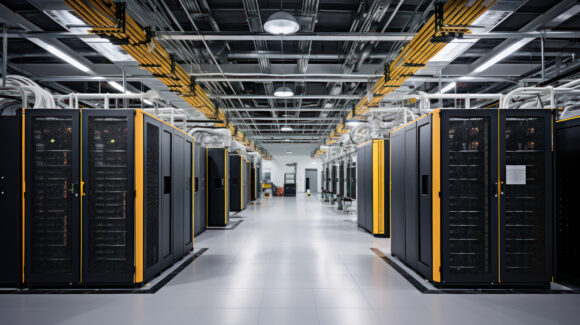
Data Boom
“The data center opportunity is unique; it has never been seen before; it is monumental. It also requires a level of response and complexity that’s beyond what the traditional industry has ever accomplished—just be clear about that.”
As we delve deeper into the digital age, the demand for data centers is skyrocketing. This surge is driven by the exponential growth of data generated by businesses, consumers, and devices. With the rise of cloud computing, IoT (Internet of Things), and big data analytics, the need for robust, scalable, and efficient data centers has never been more critical.
The Driving Forces Behind the Data Center Boom
Several factors are propelling the data center industry into uncharted territory. First and foremost is the explosion of data. According to recent studies, the global data sphere is expected to reach an astonishing 175 zettabytes by 2025. This staggering volume of data necessitates advanced storage solutions and processing capabilities, which traditional data centers struggle to provide.
Moreover, the shift towards remote work and digital services has accelerated the demand for reliable data infrastructure. Businesses are increasingly relying on cloud services to maintain operations, leading to a surge in data center construction and expansion. Companies are not only looking for more space but also for enhanced capabilities to manage and analyze data efficiently.
Challenges in the Data Center Landscape
However, this monumental opportunity comes with its own set of challenges. The complexity of managing vast amounts of data requires innovative solutions and technologies. Traditional data center models may not suffice in meeting the demands of modern applications and services. As such, operators must adopt new strategies, including automation, artificial intelligence, and advanced cooling techniques, to optimize performance and efficiency.
Furthermore, sustainability is becoming a critical concern. With the increasing energy consumption of data centers, there is a pressing need to implement eco-friendly practices. Companies are exploring renewable energy sources and energy-efficient designs to minimize their carbon footprint while still meeting the growing demand for data services.
The Future of Data Centers
Looking ahead, the data center industry is poised for transformative growth. Innovations such as edge computing are reshaping how data is processed and stored. By bringing computation closer to the data source, edge computing reduces latency and improves performance, making it an attractive option for businesses that require real-time data processing.
Additionally, the integration of advanced technologies like machine learning and AI will enhance data management capabilities. These technologies can help predict trends, optimize resource allocation, and improve security measures, ensuring that data centers can handle the complexities of modern data demands.
Conclusion
In summary, the data center opportunity is not just a fleeting trend; it represents a monumental shift in how we handle data. As the industry evolves, embracing innovation and sustainability will be crucial for success. The future of data centers is bright, and those who adapt to these changes will thrive in this new digital landscape.
This revised article maintains the original HTML structure while enhancing readability and expanding on the topic to meet the desired word count.
Data Boom
“The data center opportunity is unique; it has never been seen before; it is monumental. It also requires a level of response and complexity that’s beyond what the traditional industry has ever accomplished—just be clear about that.”
As we delve deeper into the digital age, the demand for data centers is skyrocketing. This surge is driven by the exponential growth of data generated by businesses, consumers, and devices. With the rise of cloud computing, IoT (Internet of Things), and big data analytics, the need for robust, scalable, and efficient data centers has never been more critical.
The Driving Forces Behind the Data Center Boom
Several factors are propelling the data center industry into uncharted territory. First and foremost is the explosion of data. According to recent studies, the global data sphere is expected to reach an astonishing 175 zettabytes by 2025. This staggering volume of data necessitates advanced storage solutions and processing capabilities, which traditional data centers struggle to provide.
Moreover, the shift towards remote work and digital services has accelerated the demand for reliable data infrastructure. Businesses are increasingly relying on cloud services to maintain operations, leading to a surge in data center construction and expansion. Companies are not only looking for more space but also for enhanced capabilities to manage and analyze data efficiently.
Challenges in the Data Center Landscape
However, this monumental opportunity comes with its own set of challenges. The complexity of managing vast amounts of data requires innovative solutions and technologies. Traditional data center models may not suffice in meeting the demands of modern applications and services. As such, operators must adopt new strategies, including automation, artificial intelligence, and advanced cooling techniques, to optimize performance and efficiency.
Furthermore, sustainability is becoming a critical concern. With the increasing energy consumption of data centers, there is a pressing need to implement eco-friendly practices. Companies are exploring renewable energy sources and energy-efficient designs to minimize their carbon footprint while still meeting the growing demand for data services.
The Future of Data Centers
Looking ahead, the data center industry is poised for transformative growth. Innovations such as edge computing are reshaping how data is processed and stored. By bringing computation closer to the data source, edge computing reduces latency and improves performance, making it an attractive option for businesses that require real-time data processing.
Additionally, the integration of advanced technologies like machine learning and AI will enhance data management capabilities. These technologies can help predict trends, optimize resource allocation, and improve security measures, ensuring that data centers can handle the complexities of modern data demands.
Conclusion
In summary, the data center opportunity is not just a fleeting trend; it represents a monumental shift in how we handle data. As the industry evolves, embracing innovation and sustainability will be crucial for success. The future of data centers is bright, and those who adapt to these changes will thrive in this new digital landscape.
This revised article maintains the original HTML structure while enhancing readability and expanding on the topic to meet the desired word count.