Unlocking a $1,000 Tax Season Boost for Taxpayers
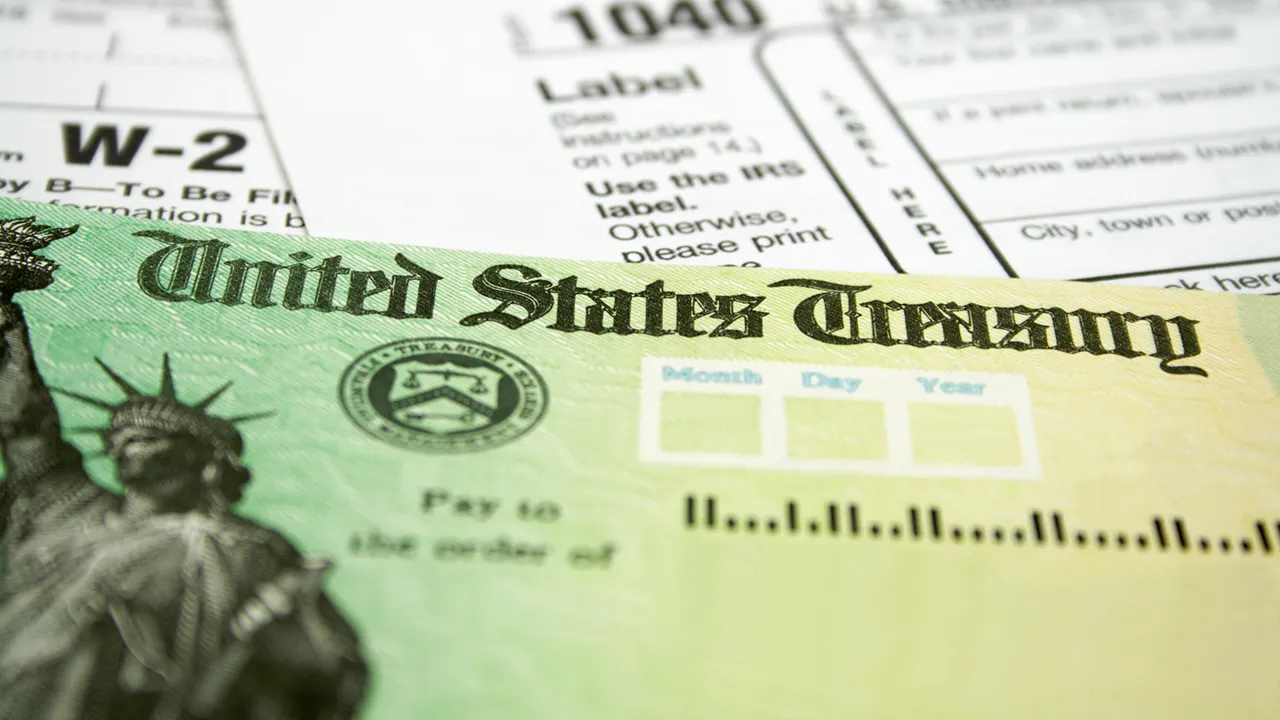
FOX Business Gerri Willis breaks down the impact of President Donald Trump’s tax cuts on Varney & Co.
Tax filing season officially opened on Monday, allowing Americans to start filing their returns for 2025. Policymakers are optimistic, indicating that tax refunds are expected to be $1,000 larger than last year.
Taxpayers have from January 26 to April 15 to file their 2025 tax returns or request an extension until October. The lawmakers behind the One Big Beautiful Bill Act (OBBBA), which became law last year, are forecasting a record-setting year for tax refunds.
House Ways and Means Committee Chairman Jason Smith, R-Mo., announced that American taxpayers are projected to receive an additional $91 billion in tax refunds this year, contributing to an expected total of $370 billion in refunds. “Families can expect an average of $1,000 more in their refund compared to last year,” Smith stated in a news release. He emphasized that for a family with two kids earning $73,000, there would be zero tax liability. “Bigger refunds mean more money to cover groceries, doctors’ bills, school supplies, and summer activities—all essentials that became unaffordable under Joe Biden.”
TAX FILING SEASON IS OFFICIALLY HERE: WHAT YOU NEED TO KNOW
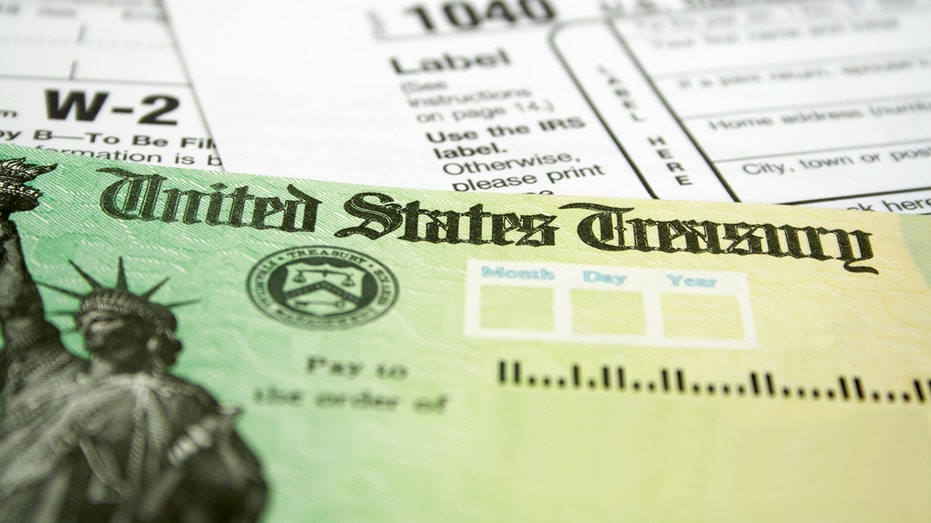
Tax refunds are expected to be larger than in years past as the IRS opens the 2026 tax filing season for last year’s returns. (Getty Images)
Smith also highlighted the provisions in the OBBBA that introduced new, temporary tax relief retroactive to eligible Americans’ 2025 incomes. “Republicans in Congress are focused on making life as affordable for working families as fast as possible,” he said. “That’s why we made the tax relief in the Working Families Tax Cuts—no tax on tips, no tax on overtime, no tax on Social Security, a bigger standard deduction and Child Tax Credit, and permanent lower tax rates—retroactive to 2025 income.”
Trump administration officials have echoed similar estimates regarding the size of Americans’ tax refunds this filing season.
IRS GUIDANCE FOR TRUMP’S ‘NO TAX ON TIPS’ AND OVERTIME DEDUCTIONS: WHAT TO KNOW

Treasury Secretary Scott Bessent previously stated that refunds could be $1,000 to $2,000 larger this tax filing season due to the OBBBA’s tax relief provisions. (Ben Brewer/Bloomberg/Getty Images)
Treasury Secretary Scott Bessent mentioned in an interview with NBC10 Philadelphia last month that, “I think we’re going to see $100 [billion]-$150 billion of refunds, which could be between $1,000 and $2,000 per household.” He noted that the timing of the tax cut’s enactment last summer limited Americans’ ability to adjust their withholding for the remainder of the year, contributing to the anticipated “very large refunds.”
President Donald Trump himself remarked at a Cabinet meeting in December that this tax filing season is “projected to be the largest tax refund season ever.” Large tax refunds could provide much-needed financial relief for households facing rising costs for everyday essentials like groceries, housing, and healthcare.
IRS REVEALS UPDATED RETIREMENT CONTRIBUTION LIMITS FOR 2026

President Donald Trump signed the One Big Beautiful Bill Act into law at a White House ceremony on July 4, 2025. (Tom Brenner For The Washington Post via Getty Images)
IRS data for the 2025 tax filing season indicated that the average refund rose to $3,167 as of December, marking a 0.9% increase from the previous year. Over 103.8 million tax refunds were issued last season, a 1% decrease from the prior year, with nearly $329 billion refunded, remaining stable after a 0.1% decrease from the previous year.
The majority of refunds were processed via direct deposit, with over 94.3 million refunds totaling more than $304 billion disbursed through this method.
GET FOX BUSINESS ON THE GO BY CLICKING HERE
After filing their 2025 tax returns, taxpayers can utilize the IRS’s “Where’s My Refund?” tool, which provides information about refund status. This tool is generally available about 24 hours after submitting a current-year return via e-filing or four weeks after filing a paper return.
FOX Business Gerri Willis breaks down the impact of President Donald Trump’s tax cuts on Varney & Co.
Tax filing season officially opened on Monday, allowing Americans to start filing their returns for 2025. Policymakers are optimistic, indicating that tax refunds are expected to be $1,000 larger than last year.
Taxpayers have from January 26 to April 15 to file their 2025 tax returns or request an extension until October. The lawmakers behind the One Big Beautiful Bill Act (OBBBA), which became law last year, are forecasting a record-setting year for tax refunds.
House Ways and Means Committee Chairman Jason Smith, R-Mo., announced that American taxpayers are projected to receive an additional $91 billion in tax refunds this year, contributing to an expected total of $370 billion in refunds. “Families can expect an average of $1,000 more in their refund compared to last year,” Smith stated in a news release. He emphasized that for a family with two kids earning $73,000, there would be zero tax liability. “Bigger refunds mean more money to cover groceries, doctors’ bills, school supplies, and summer activities—all essentials that became unaffordable under Joe Biden.”
TAX FILING SEASON IS OFFICIALLY HERE: WHAT YOU NEED TO KNOW
Tax refunds are expected to be larger than in years past as the IRS opens the 2026 tax filing season for last year’s returns. (Getty Images)
Smith also highlighted the provisions in the OBBBA that introduced new, temporary tax relief retroactive to eligible Americans’ 2025 incomes. “Republicans in Congress are focused on making life as affordable for working families as fast as possible,” he said. “That’s why we made the tax relief in the Working Families Tax Cuts—no tax on tips, no tax on overtime, no tax on Social Security, a bigger standard deduction and Child Tax Credit, and permanent lower tax rates—retroactive to 2025 income.”
Trump administration officials have echoed similar estimates regarding the size of Americans’ tax refunds this filing season.
IRS GUIDANCE FOR TRUMP’S ‘NO TAX ON TIPS’ AND OVERTIME DEDUCTIONS: WHAT TO KNOW
Treasury Secretary Scott Bessent previously stated that refunds could be $1,000 to $2,000 larger this tax filing season due to the OBBBA’s tax relief provisions. (Ben Brewer/Bloomberg/Getty Images)
Treasury Secretary Scott Bessent mentioned in an interview with NBC10 Philadelphia last month that, “I think we’re going to see $100 [billion]-$150 billion of refunds, which could be between $1,000 and $2,000 per household.” He noted that the timing of the tax cut’s enactment last summer limited Americans’ ability to adjust their withholding for the remainder of the year, contributing to the anticipated “very large refunds.”
President Donald Trump himself remarked at a Cabinet meeting in December that this tax filing season is “projected to be the largest tax refund season ever.” Large tax refunds could provide much-needed financial relief for households facing rising costs for everyday essentials like groceries, housing, and healthcare.
IRS REVEALS UPDATED RETIREMENT CONTRIBUTION LIMITS FOR 2026
President Donald Trump signed the One Big Beautiful Bill Act into law at a White House ceremony on July 4, 2025. (Tom Brenner For The Washington Post via Getty Images)
IRS data for the 2025 tax filing season indicated that the average refund rose to $3,167 as of December, marking a 0.9% increase from the previous year. Over 103.8 million tax refunds were issued last season, a 1% decrease from the prior year, with nearly $329 billion refunded, remaining stable after a 0.1% decrease from the previous year.
The majority of refunds were processed via direct deposit, with over 94.3 million refunds totaling more than $304 billion disbursed through this method.
GET FOX BUSINESS ON THE GO BY CLICKING HERE
After filing their 2025 tax returns, taxpayers can utilize the IRS’s “Where’s My Refund?” tool, which provides information about refund status. This tool is generally available about 24 hours after submitting a current-year return via e-filing or four weeks after filing a paper return.