US Consumers Face a Slow and Painful Journey to Beef Price Relief
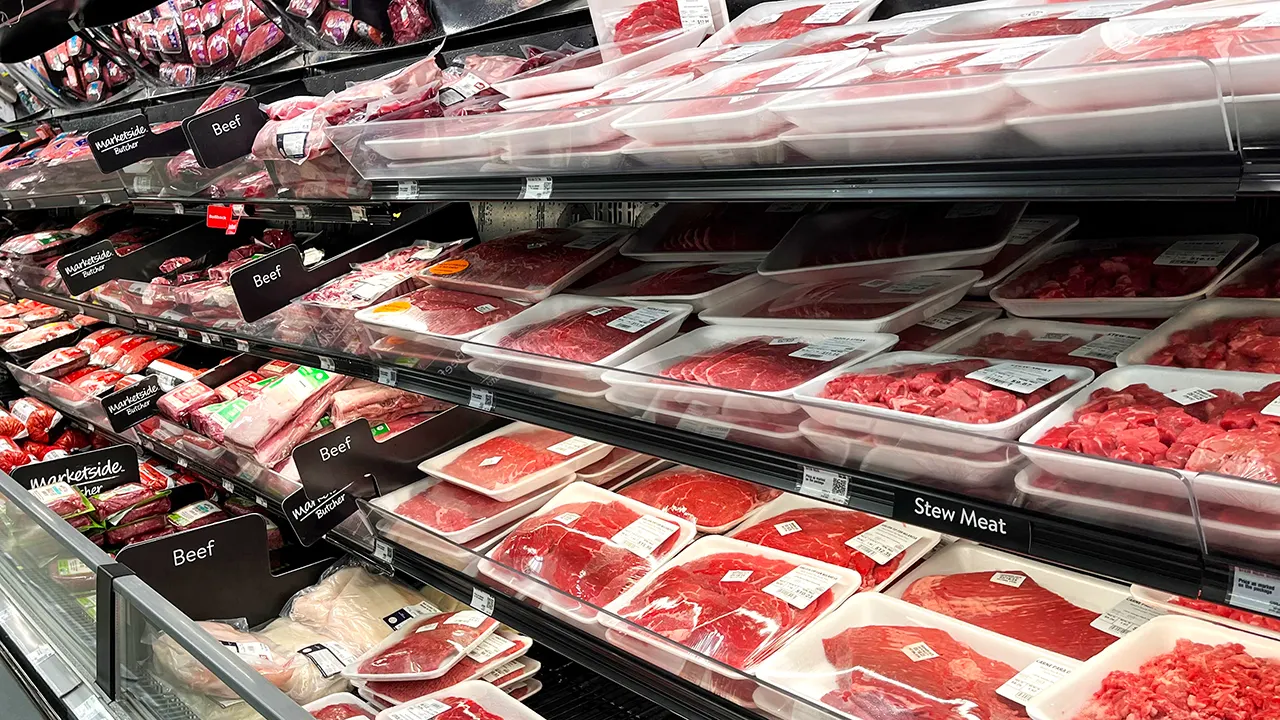
R-CALF USA CEO Bill Bullard weighs in on President Donald Trump’s new farm-aid announcement, what it means for the industry, and the widening spread between beef and cattle prices on ‘Making Money.’
Consumers may have to wait a while longer for relief from soaring beef prices. Although prices have peaked and are expected to soften, there is currently little pressure to drive them down, according to Michael Swanson, chief agricultural economist at Wells Fargo Agri-Food Institute.
Looking ahead, the U.S. is projected to have a slightly larger cattle supply by 2026. However, buyers are increasingly relying on international suppliers to meet their needs. Swanson notes that ongoing imports indicate a tight domestic supply, which will likely keep prices elevated.
“It’s going to be a slow and painful process for the consumer,” Swanson explained to FOX Business, highlighting the complex market dynamics that must shift for prices to decline.
The rising cost of beef has been a significant concern for consumers, with retail prices reaching record highs in 2024. This surge is attributed to various factors, including deteriorating pasture conditions, inflation, and a shrinking cattle inventory, as reported by the Farm Bureau.
BEEF PRICES ARE CLOSE TO RECORD HIGHS — BUT AMERICANS AREN’T CUTTING BACK
In September, beef prices rose sharply, outpacing the overall food category in the Department of Labor’s consumer price index. While food prices increased by 3.1% year over year, beef and veal prices soared by 14.7%.

A ranch hand rounds up cattle in St. Lucie County, Florida. (Ty Wright/Bloomberg/Getty Images)
Challenges within the industry persist, as noted by Farm Bureau economist Bernt Nelson. In a recent blog post, he highlighted that the Department of Agriculture’s “Cattle on Feed” report indicates ongoing tightness in feeder cattle supplies.
As of November 1, there were 11.7 million cattle on feed in the U.S., a decrease of about 2% from 2024 and the lowest number for November since 2018. The report also estimates that 2.04 million head of cattle were placed into feedlots, marking a 10% decline from last year and the lowest number recorded for October.
The reduced number of cattle placed on feed reflects tighter supplies of feeder cattle, which directly impacts the beef available in stores.

Beef cattle in corrals at a ranch in Sonoita, Arizona, on Nov. 11, 2025. (Rebecca Noble/Bloomberg via Getty Images)
Several stakeholders in the beef supply chain—including cattle producers, meat packers, wholesalers, and retailers—are focused on protecting their profit margins. This reluctance to accept lower profits complicates efforts to reduce costs for consumers, as Swanson pointed out.
However, competition among these players will eventually drive beef prices down. “The players in this operation don’t want to give up what they have currently. And so it’s going to be a competition that forces the prices down,” he added, noting that the process is rarely straightforward.
Signs of change are already emerging. Swanson indicated that the industry may be at a turning point following Tyson’s announcement last month regarding the permanent closure of a large beef processing plant in Lexington, Nebraska, by January 2026, along with a reduction in operations at its Texas facility.
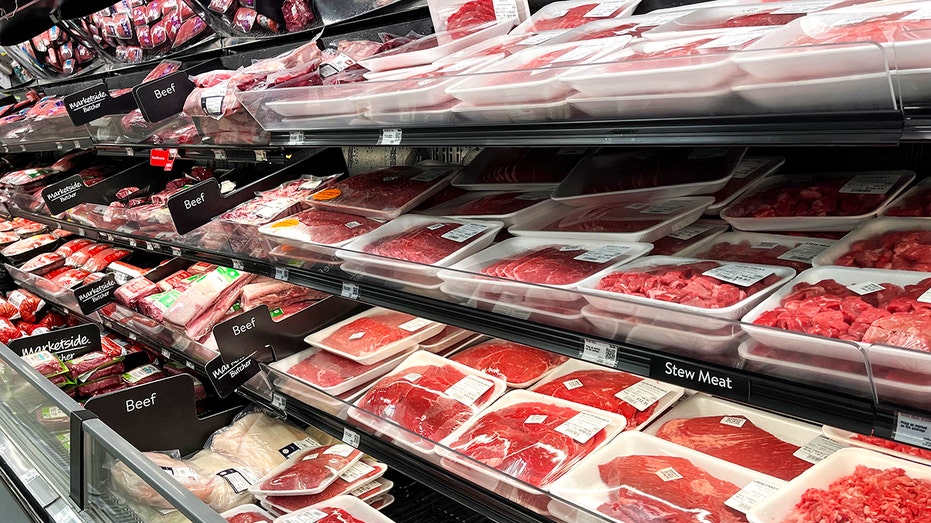
Packages of meat are seen at a supermarket in Houston, Texas. (Ronaldo Schemidt/AFP via Getty Images)
Following Tyson’s announcement, live cattle prices initially fell sharply. Although they have since rebounded somewhat, they remain below recent highs, according to Swanson. This shift sent a clear signal to the market that buyers would bid less aggressively on live cattle.
BESSENT WARNS ‘PERFECT STORM’ BREWING FOR BEEF PRICES
Swanson emphasized that meat processors cannot continue to operate at a loss, and Tyson’s actions demonstrate a willingness to make difficult decisions. He believes that cattle prices will eventually decline, and a 10% drop, similar to what occurred in 2014, is possible within the next year and a half.
GET FOX BUSINESS ON THE GO BY CLICKING HERE
“If the price of cattle goes down and the wholesale price of beef goes down, yes, the retail price of beef will go down,” he stated. “But when is it going to happen? Not immediately. So the consumer’s going to be frustrated and they’re not seeing immediate relief.”
R-CALF USA CEO Bill Bullard weighs in on President Donald Trump’s new farm-aid announcement, what it means for the industry, and the widening spread between beef and cattle prices on ‘Making Money.’
Consumers may have to wait a while longer for relief from soaring beef prices. Although prices have peaked and are expected to soften, there is currently little pressure to drive them down, according to Michael Swanson, chief agricultural economist at Wells Fargo Agri-Food Institute.
Looking ahead, the U.S. is projected to have a slightly larger cattle supply by 2026. However, buyers are increasingly relying on international suppliers to meet their needs. Swanson notes that ongoing imports indicate a tight domestic supply, which will likely keep prices elevated.
“It’s going to be a slow and painful process for the consumer,” Swanson explained to FOX Business, highlighting the complex market dynamics that must shift for prices to decline.
The rising cost of beef has been a significant concern for consumers, with retail prices reaching record highs in 2024. This surge is attributed to various factors, including deteriorating pasture conditions, inflation, and a shrinking cattle inventory, as reported by the Farm Bureau.
BEEF PRICES ARE CLOSE TO RECORD HIGHS — BUT AMERICANS AREN’T CUTTING BACK
In September, beef prices rose sharply, outpacing the overall food category in the Department of Labor’s consumer price index. While food prices increased by 3.1% year over year, beef and veal prices soared by 14.7%.
A ranch hand rounds up cattle in St. Lucie County, Florida. (Ty Wright/Bloomberg/Getty Images)
Challenges within the industry persist, as noted by Farm Bureau economist Bernt Nelson. In a recent blog post, he highlighted that the Department of Agriculture’s “Cattle on Feed” report indicates ongoing tightness in feeder cattle supplies.
As of November 1, there were 11.7 million cattle on feed in the U.S., a decrease of about 2% from 2024 and the lowest number for November since 2018. The report also estimates that 2.04 million head of cattle were placed into feedlots, marking a 10% decline from last year and the lowest number recorded for October.
The reduced number of cattle placed on feed reflects tighter supplies of feeder cattle, which directly impacts the beef available in stores.
Beef cattle in corrals at a ranch in Sonoita, Arizona, on Nov. 11, 2025. (Rebecca Noble/Bloomberg via Getty Images)
Several stakeholders in the beef supply chain—including cattle producers, meat packers, wholesalers, and retailers—are focused on protecting their profit margins. This reluctance to accept lower profits complicates efforts to reduce costs for consumers, as Swanson pointed out.
However, competition among these players will eventually drive beef prices down. “The players in this operation don’t want to give up what they have currently. And so it’s going to be a competition that forces the prices down,” he added, noting that the process is rarely straightforward.
Signs of change are already emerging. Swanson indicated that the industry may be at a turning point following Tyson’s announcement last month regarding the permanent closure of a large beef processing plant in Lexington, Nebraska, by January 2026, along with a reduction in operations at its Texas facility.
Packages of meat are seen at a supermarket in Houston, Texas. (Ronaldo Schemidt/AFP via Getty Images)
Following Tyson’s announcement, live cattle prices initially fell sharply. Although they have since rebounded somewhat, they remain below recent highs, according to Swanson. This shift sent a clear signal to the market that buyers would bid less aggressively on live cattle.
BESSENT WARNS ‘PERFECT STORM’ BREWING FOR BEEF PRICES
Swanson emphasized that meat processors cannot continue to operate at a loss, and Tyson’s actions demonstrate a willingness to make difficult decisions. He believes that cattle prices will eventually decline, and a 10% drop, similar to what occurred in 2014, is possible within the next year and a half.
GET FOX BUSINESS ON THE GO BY CLICKING HERE
“If the price of cattle goes down and the wholesale price of beef goes down, yes, the retail price of beef will go down,” he stated. “But when is it going to happen? Not immediately. So the consumer’s going to be frustrated and they’re not seeing immediate relief.”