US Economy Expands by 4.4% in Q3, According to Commerce Department Report
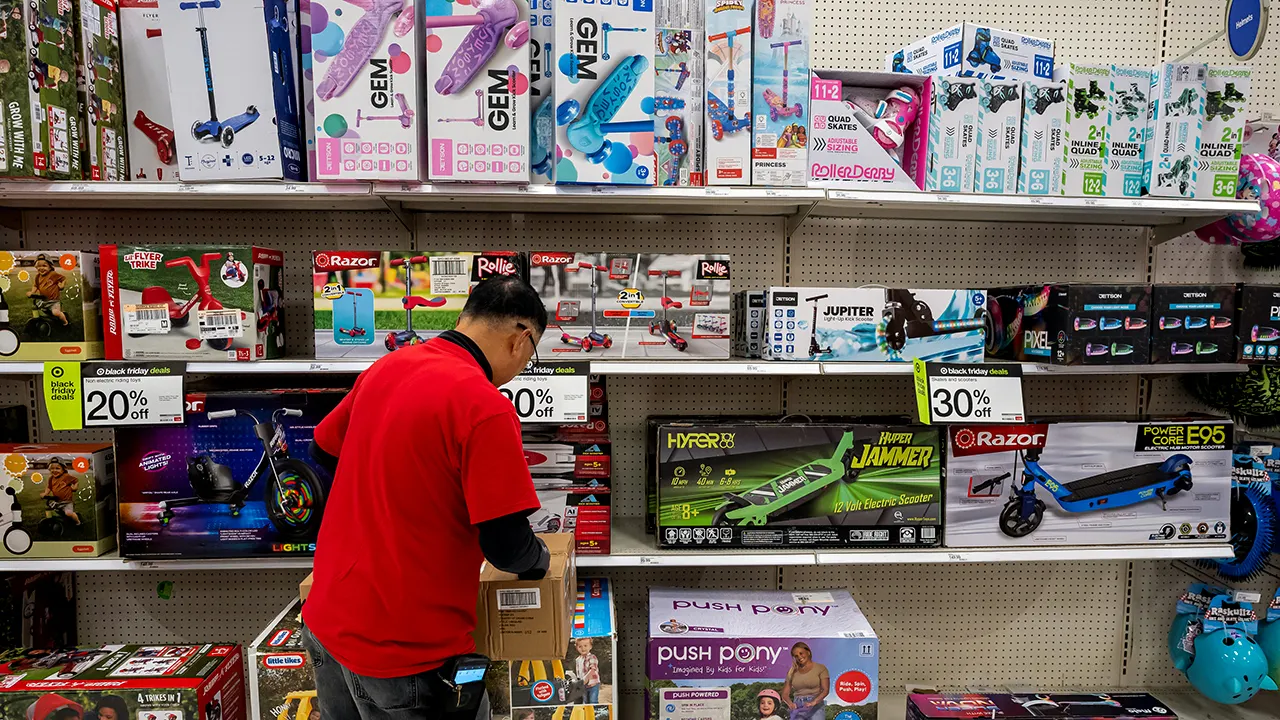
International Monetary Fund managing director Kristalina Georgieva discusses the U.S. economy and provides her global economic outlook on ‘Mornings with Maria.’
The U.S. economy has shown surprising resilience, growing at a faster pace than anticipated in the third quarter, as reported by the Commerce Department.
According to the Bureau of Economic Analysis (BEA), the final reading of third-quarter GDP revealed an annualized growth rate of 4.4% for the period encompassing July, August, and September. This figure not only exceeded the expectations of economists surveyed by LSEG, who had predicted a growth rate of 3.3%, but also marked the fastest growth rate in two years.
The report further indicated that real GDP had risen at an annualized rate of 3.8% in the second quarter, following a contraction of 0.6% in the first quarter. Collectively, these readings suggest that the U.S. economy has expanded at a 2.5% annualized rate throughout the first three quarters of 2025.
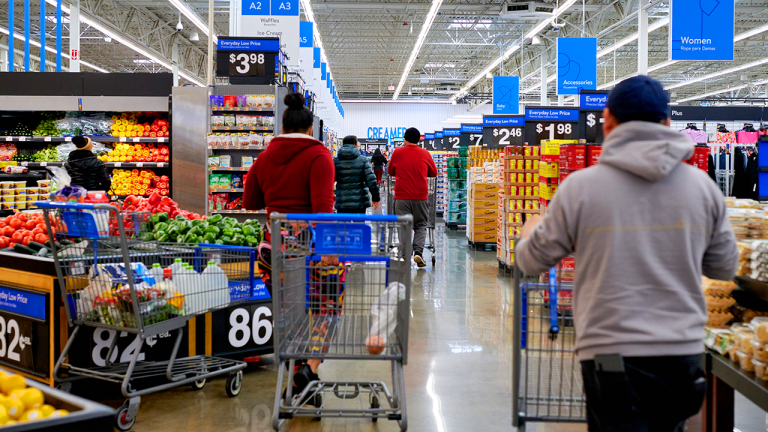
The BEA attributed the increase in real GDP to several factors, including a rise in consumer spending, exports, government spending, and investment. Notably, imports also saw a decline during the third quarter.
“Compared to the second quarter, the acceleration in real GDP in the third quarter reflected upturns in investment, exports, and government spending, as well as an acceleration in consumer spending. Imports decreased less in the third quarter than in the second,” the BEA stated.
Additionally, the report highlighted that real final sales to private domestic purchasers—which encompasses consumer spending and gross private fixed investment—rose by 2.9% in Q3. This figure was slightly revised down by 0.1 percentage points from the previous estimate.
It’s important to note that data collection for this report was affected by the 43-day government shutdown that commenced on October 1. This shutdown delayed the BEA’s initial estimate for Q3 until December 23 and resulted in the omission of a second estimate.
This is a developing story. Please check back for updates.
International Monetary Fund managing director Kristalina Georgieva discusses the U.S. economy and provides her global economic outlook on ‘Mornings with Maria.’
The U.S. economy has shown surprising resilience, growing at a faster pace than anticipated in the third quarter, as reported by the Commerce Department.
According to the Bureau of Economic Analysis (BEA), the final reading of third-quarter GDP revealed an annualized growth rate of 4.4% for the period encompassing July, August, and September. This figure not only exceeded the expectations of economists surveyed by LSEG, who had predicted a growth rate of 3.3%, but also marked the fastest growth rate in two years.
The report further indicated that real GDP had risen at an annualized rate of 3.8% in the second quarter, following a contraction of 0.6% in the first quarter. Collectively, these readings suggest that the U.S. economy has expanded at a 2.5% annualized rate throughout the first three quarters of 2025.
The BEA attributed the increase in real GDP to several factors, including a rise in consumer spending, exports, government spending, and investment. Notably, imports also saw a decline during the third quarter.
“Compared to the second quarter, the acceleration in real GDP in the third quarter reflected upturns in investment, exports, and government spending, as well as an acceleration in consumer spending. Imports decreased less in the third quarter than in the second,” the BEA stated.
Additionally, the report highlighted that real final sales to private domestic purchasers—which encompasses consumer spending and gross private fixed investment—rose by 2.9% in Q3. This figure was slightly revised down by 0.1 percentage points from the previous estimate.
It’s important to note that data collection for this report was affected by the 43-day government shutdown that commenced on October 1. This shutdown delayed the BEA’s initial estimate for Q3 until December 23 and resulted in the omission of a second estimate.
This is a developing story. Please check back for updates.