US Housing Market Projected for Modest Recovery in 2026
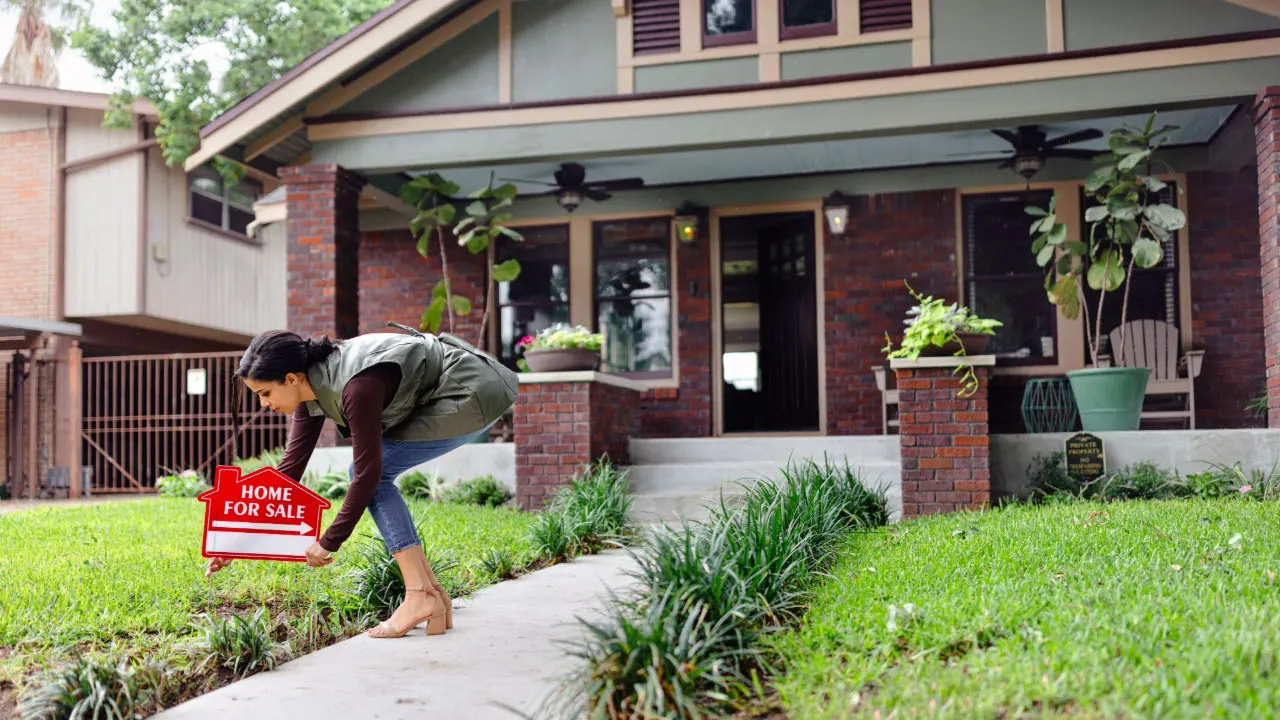
American Real Estate Association co-founder Jason Haber unpacks the state of the housing market and assesses Redfin’s announcement of a ‘great housing reset’ coming in 2026 on ‘The Claman Countdown.’
The U.S. housing market is showing signs of improvement, but potential buyers may not experience significant relief until 2026, according to industry experts.
Hannah Jones, a senior economic research analyst at Realtor.com, predicts that inventory levels will continue to rise, while mortgage rates are expected to decrease slightly to around 6.3%. Although this drop is modest compared to the average of 6.6% in 2025, it indicates a “slightly more favorable” environment for buyers.
However, Jones cautions that the market is not poised for a major turnaround in 2026.
THESE 10 MARKETS MAY SEE THE BIGGEST HOMEBUYING SURGE AS MORTGAGE RATES FALL
With the anticipated decline in mortgage rates, housing payments are expected to decrease by approximately 1.3%. While this change may not be immediately noticeable, it is still a step in the right direction, according to Jones.
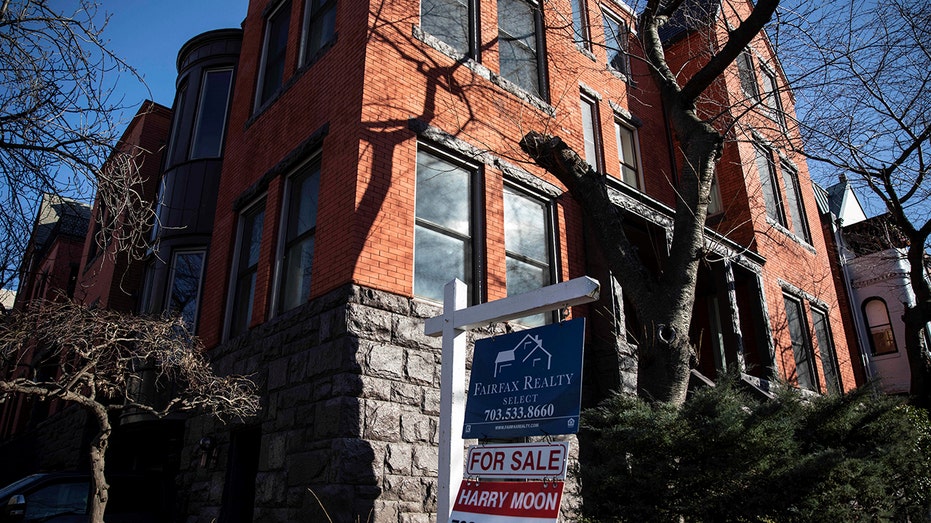
With mortgage rates falling slightly, housing payments will fall in tandem, according to a real estate expert. (Aaron Schwartz/Xinhua)
The U.S. housing market continues to face challenges as it seeks to rebalance after the turbulence caused by the COVID-19 pandemic. During this period, bidding wars drove home prices to unprecedented heights. The subsequent spike in mortgage rates made monthly payments increasingly burdensome for homeowners. Many potential buyers who secured ultra-low rates before the surge opted to remain in their homes, which limited supply and kept prices elevated despite a decline in demand.
Even as borrowing rates decrease and inventory improves in certain regions, the cost of purchasing a home remains unattainable for many households.
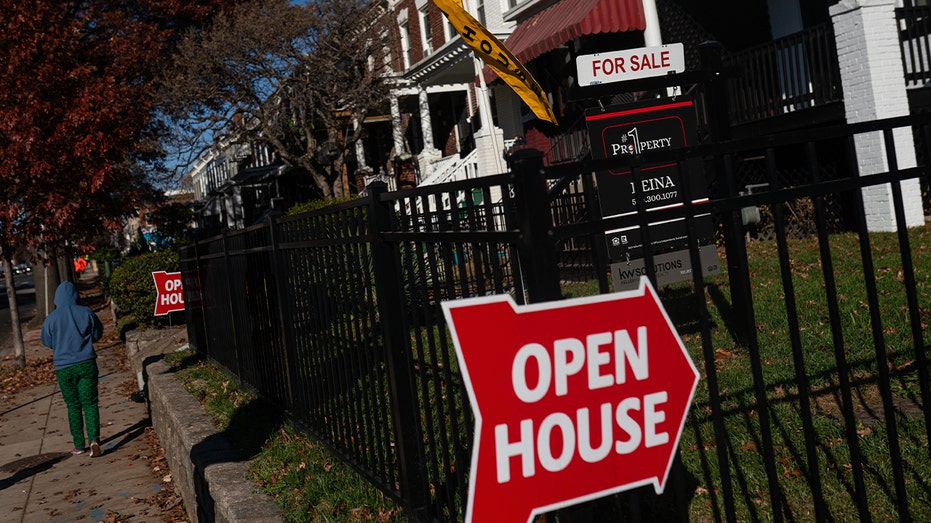
The affordability crisis in the U.S. housing market puts homebuying out of reach for many Americans. (Nathan Howard/Bloomberg)
Currently, a significant number of buyers are reluctant to give up their lower mortgage rates. According to Realtor.com, 52.5% of mortgages are still below 4%, 70% are under 5%, and 80% are at 6%, as noted by Jones.
Despite the slight changes in borrowing rates, Jones believes there will be more activity in the market compared to the previous two years. However, most of this movement will be driven by households needing to relocate for various reasons.
While a massive influx of buyers is not expected, areas with more favorable home prices, particularly in the West and South, may see an increase in household relocations.
FED CUTS INTEREST RATES FOR THIRD STRAIGHT TIME AMID UNCERTAINTY OVER LABOR MARKET, INFLATION
Home prices are projected to remain largely stable in 2026, with a national increase of about 2%. However, Jones emphasizes that the situation varies significantly between regions.
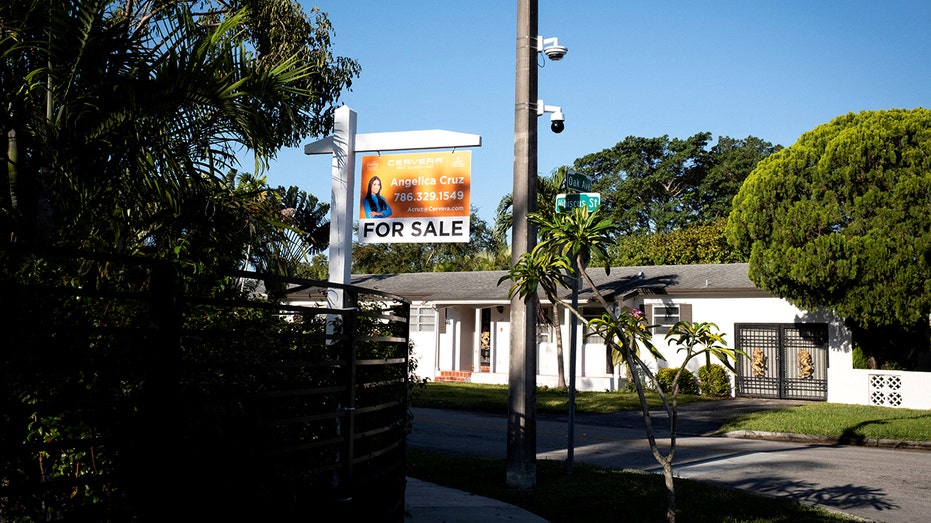
There are still many buyers who don’t want to give up their lower mortgage rates. (Marco Bello/Reuters)
For example, inventory levels in the South and West are now as much as 50% higher than pre-pandemic figures, leading to a softening of home prices in many metropolitan areas. Jones anticipates that this downward pressure on prices will persist as “new construction continues to move through the pipeline.”
Conversely, in the Midwest and Northeast, where inventory levels remain 30% to 50% below pre-pandemic levels, upward pressure on prices is expected to continue.
GET FOX BUSINESS ON THE GO BY CLICKING HERE
“The Midwest and Northeast just haven’t seen that new construction activity that the South and West did during the last five years. This has limited their recovery and led more people to consider relocating to find a home,” Jones explained.
The influx of new construction has been a key factor in helping markets in the South and West recover.
American Real Estate Association co-founder Jason Haber unpacks the state of the housing market and assesses Redfin’s announcement of a ‘great housing reset’ coming in 2026 on ‘The Claman Countdown.’
The U.S. housing market is showing signs of improvement, but potential buyers may not experience significant relief until 2026, according to industry experts.
Hannah Jones, a senior economic research analyst at Realtor.com, predicts that inventory levels will continue to rise, while mortgage rates are expected to decrease slightly to around 6.3%. Although this drop is modest compared to the average of 6.6% in 2025, it indicates a “slightly more favorable” environment for buyers.
However, Jones cautions that the market is not poised for a major turnaround in 2026.
THESE 10 MARKETS MAY SEE THE BIGGEST HOMEBUYING SURGE AS MORTGAGE RATES FALL
With the anticipated decline in mortgage rates, housing payments are expected to decrease by approximately 1.3%. While this change may not be immediately noticeable, it is still a step in the right direction, according to Jones.
With mortgage rates falling slightly, housing payments will fall in tandem, according to a real estate expert. (Aaron Schwartz/Xinhua)
The U.S. housing market continues to face challenges as it seeks to rebalance after the turbulence caused by the COVID-19 pandemic. During this period, bidding wars drove home prices to unprecedented heights. The subsequent spike in mortgage rates made monthly payments increasingly burdensome for homeowners. Many potential buyers who secured ultra-low rates before the surge opted to remain in their homes, which limited supply and kept prices elevated despite a decline in demand.
Even as borrowing rates decrease and inventory improves in certain regions, the cost of purchasing a home remains unattainable for many households.
The affordability crisis in the U.S. housing market puts homebuying out of reach for many Americans. (Nathan Howard/Bloomberg)
Currently, a significant number of buyers are reluctant to give up their lower mortgage rates. According to Realtor.com, 52.5% of mortgages are still below 4%, 70% are under 5%, and 80% are at 6%, as noted by Jones.
Despite the slight changes in borrowing rates, Jones believes there will be more activity in the market compared to the previous two years. However, most of this movement will be driven by households needing to relocate for various reasons.
While a massive influx of buyers is not expected, areas with more favorable home prices, particularly in the West and South, may see an increase in household relocations.
FED CUTS INTEREST RATES FOR THIRD STRAIGHT TIME AMID UNCERTAINTY OVER LABOR MARKET, INFLATION
Home prices are projected to remain largely stable in 2026, with a national increase of about 2%. However, Jones emphasizes that the situation varies significantly between regions.
There are still many buyers who don’t want to give up their lower mortgage rates. (Marco Bello/Reuters)
For example, inventory levels in the South and West are now as much as 50% higher than pre-pandemic figures, leading to a softening of home prices in many metropolitan areas. Jones anticipates that this downward pressure on prices will persist as “new construction continues to move through the pipeline.”
Conversely, in the Midwest and Northeast, where inventory levels remain 30% to 50% below pre-pandemic levels, upward pressure on prices is expected to continue.
GET FOX BUSINESS ON THE GO BY CLICKING HERE
“The Midwest and Northeast just haven’t seen that new construction activity that the South and West did during the last five years. This has limited their recovery and led more people to consider relocating to find a home,” Jones explained.
The influx of new construction has been a key factor in helping markets in the South and West recover.