US Takes Charge of Venezuela’s Vast Oil Reserves, the Largest Globally
President Donald Trump addressed the nation about the U.S. capture of Venezuelan President Nicolás Maduro and his wife.
In a significant turn of events, the U.S. has captured Venezuelan President Nicolás Maduro, positioning itself to exert considerable influence over the future of the world’s largest oil reserves. This development marks a pivotal moment for Venezuela, a nation rich in resources yet plagued by political turmoil.
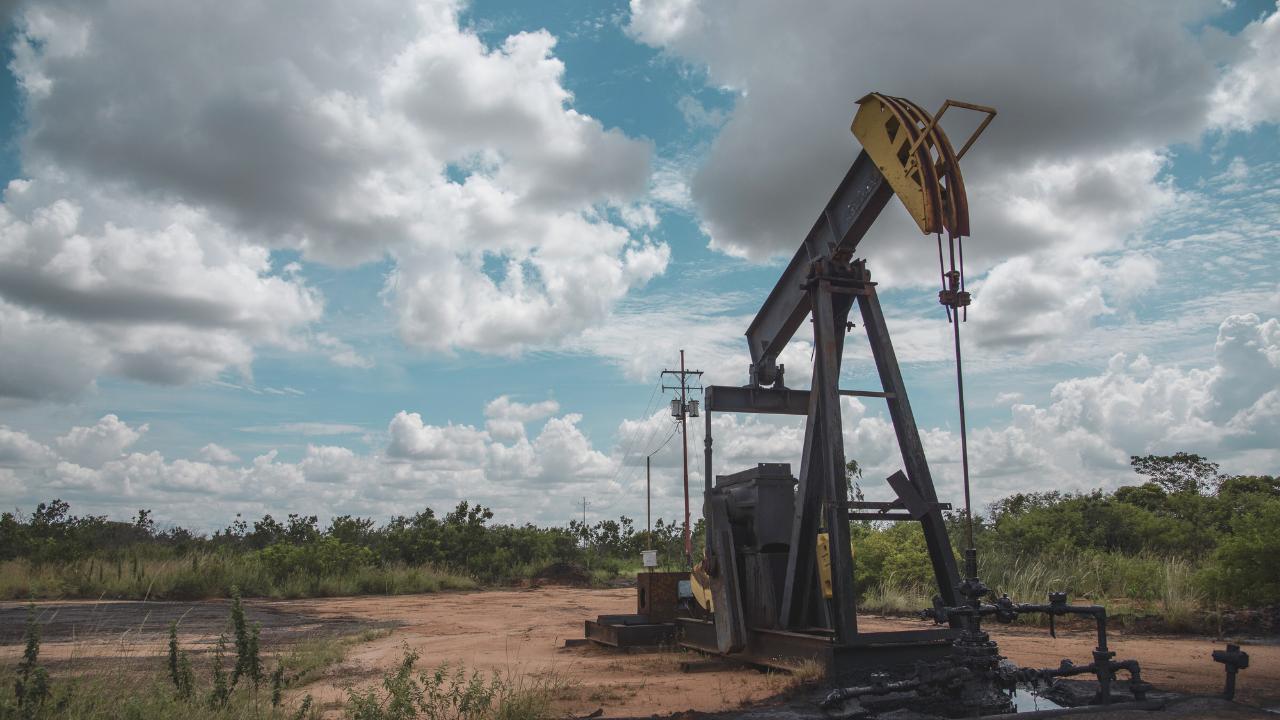
Venezuela, nearly twice the size of California, is home to extraordinary wealth, boasting over 300 billion barrels of proven oil reserves. This figure surpasses that of established energy giants such as Saudi Arabia, Iran, and Kuwait. In fact, Venezuela holds approximately 20% of the global oil supply, which is nearly four times what the United States possesses.
However, the extraction of this oil is not without its challenges. Much of Venezuela’s reserves consist of heavy and extra-heavy crude oil, which requires specialized equipment and advanced refining capabilities. Unfortunately, years of underinvestment, U.S. sanctions, and ongoing political instability have led to a deterioration of the necessary infrastructure.
‘WE BUILT VENEZUELA’S OIL INDUSTRY:’ TRUMP VOWS US ENERGY RETURN AFTER MADURO CAPTURE
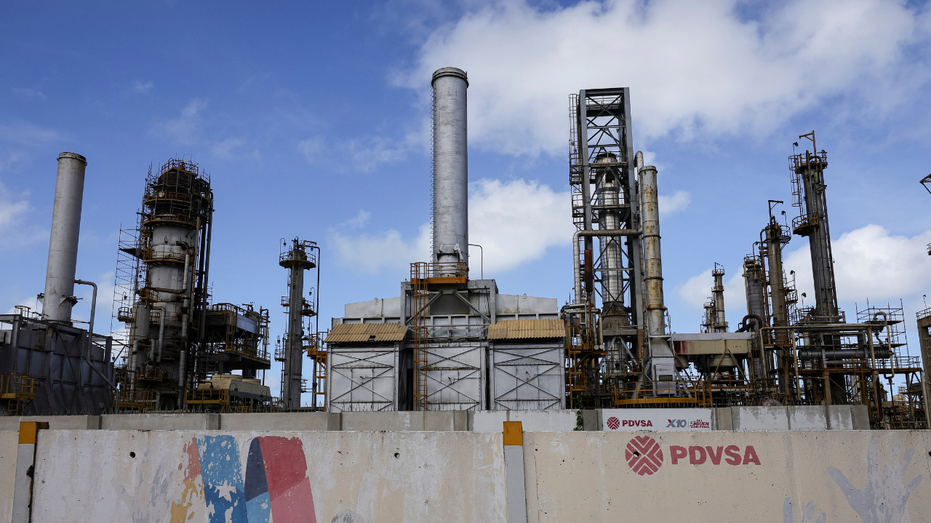
An exterior view of the El Palito refinery in Puerto Cabello, Venezuela, a facility owned and operated by the country’s state-run oil company. (Jesus Vargas/Getty Images / Getty Images)
Similar situations have been observed in countries like Iran and Libya, where political unrest and financial distress have kept vast oil reserves untapped. Over the weekend, President Donald Trump announced plans to revitalize Venezuela’s oil sector by mobilizing investments from major U.S. energy companies.
“We are going to have our very large United States oil companies go in, spend billions of dollars, fix the badly broken oil infrastructure and start making money for the country,” Trump stated during a news conference at Mar-a-Lago.
VENEZUELA STILL OWES U.S. ENERGY COMPANIES BILLIONS AS TRUMP CALLS FOR NEW INVESTMENT
Chevron said in a statement to Fox News Digital that it is following “relevant laws and regulations” in the wake of the U.S. mission that captured Venezuelan President Nicolas Maduro. (Brandon Bell/Getty Images / Getty Images)
As of now, American energy firms have not publicly announced their intentions to return to Venezuela to revive an oil industry that has suffered from years of neglect. Chevron, the only major U.S. oil company still operating in Venezuela, stated that it is adhering to “relevant laws and regulations.”
“Chevron remains focused on the safety and well-being of our employees, as well as the integrity of our assets,” a spokesperson for Chevron added.
CLICK HERE TO DOWNLOAD THE FOX NEWS APP
ConocoPhillips has indicated that it is monitoring developments in Venezuela and their potential implications for global energy supply and stability. A spokesperson for ConocoPhillips remarked, “It would be premature to speculate on any future business activities or investments.” Meanwhile, ExxonMobil, the largest U.S. oil company, has not yet responded to requests for comment.
President Donald Trump addressed the nation about the U.S. capture of Venezuelan President Nicolás Maduro and his wife.
In a significant turn of events, the U.S. has captured Venezuelan President Nicolás Maduro, positioning itself to exert considerable influence over the future of the world’s largest oil reserves. This development marks a pivotal moment for Venezuela, a nation rich in resources yet plagued by political turmoil.
Venezuela, nearly twice the size of California, is home to extraordinary wealth, boasting over 300 billion barrels of proven oil reserves. This figure surpasses that of established energy giants such as Saudi Arabia, Iran, and Kuwait. In fact, Venezuela holds approximately 20% of the global oil supply, which is nearly four times what the United States possesses.
However, the extraction of this oil is not without its challenges. Much of Venezuela’s reserves consist of heavy and extra-heavy crude oil, which requires specialized equipment and advanced refining capabilities. Unfortunately, years of underinvestment, U.S. sanctions, and ongoing political instability have led to a deterioration of the necessary infrastructure.
‘WE BUILT VENEZUELA’S OIL INDUSTRY:’ TRUMP VOWS US ENERGY RETURN AFTER MADURO CAPTURE
An exterior view of the El Palito refinery in Puerto Cabello, Venezuela, a facility owned and operated by the country’s state-run oil company. (Jesus Vargas/Getty Images / Getty Images)
Similar situations have been observed in countries like Iran and Libya, where political unrest and financial distress have kept vast oil reserves untapped. Over the weekend, President Donald Trump announced plans to revitalize Venezuela’s oil sector by mobilizing investments from major U.S. energy companies.
“We are going to have our very large United States oil companies go in, spend billions of dollars, fix the badly broken oil infrastructure and start making money for the country,” Trump stated during a news conference at Mar-a-Lago.
VENEZUELA STILL OWES U.S. ENERGY COMPANIES BILLIONS AS TRUMP CALLS FOR NEW INVESTMENT
Chevron said in a statement to Fox News Digital that it is following “relevant laws and regulations” in the wake of the U.S. mission that captured Venezuelan President Nicolas Maduro. (Brandon Bell/Getty Images / Getty Images)
As of now, American energy firms have not publicly announced their intentions to return to Venezuela to revive an oil industry that has suffered from years of neglect. Chevron, the only major U.S. oil company still operating in Venezuela, stated that it is adhering to “relevant laws and regulations.”
“Chevron remains focused on the safety and well-being of our employees, as well as the integrity of our assets,” a spokesperson for Chevron added.
CLICK HERE TO DOWNLOAD THE FOX NEWS APP
ConocoPhillips has indicated that it is monitoring developments in Venezuela and their potential implications for global energy supply and stability. A spokesperson for ConocoPhillips remarked, “It would be premature to speculate on any future business activities or investments.” Meanwhile, ExxonMobil, the largest U.S. oil company, has not yet responded to requests for comment.