Vaccines Are Helping Older People More Than We Knew
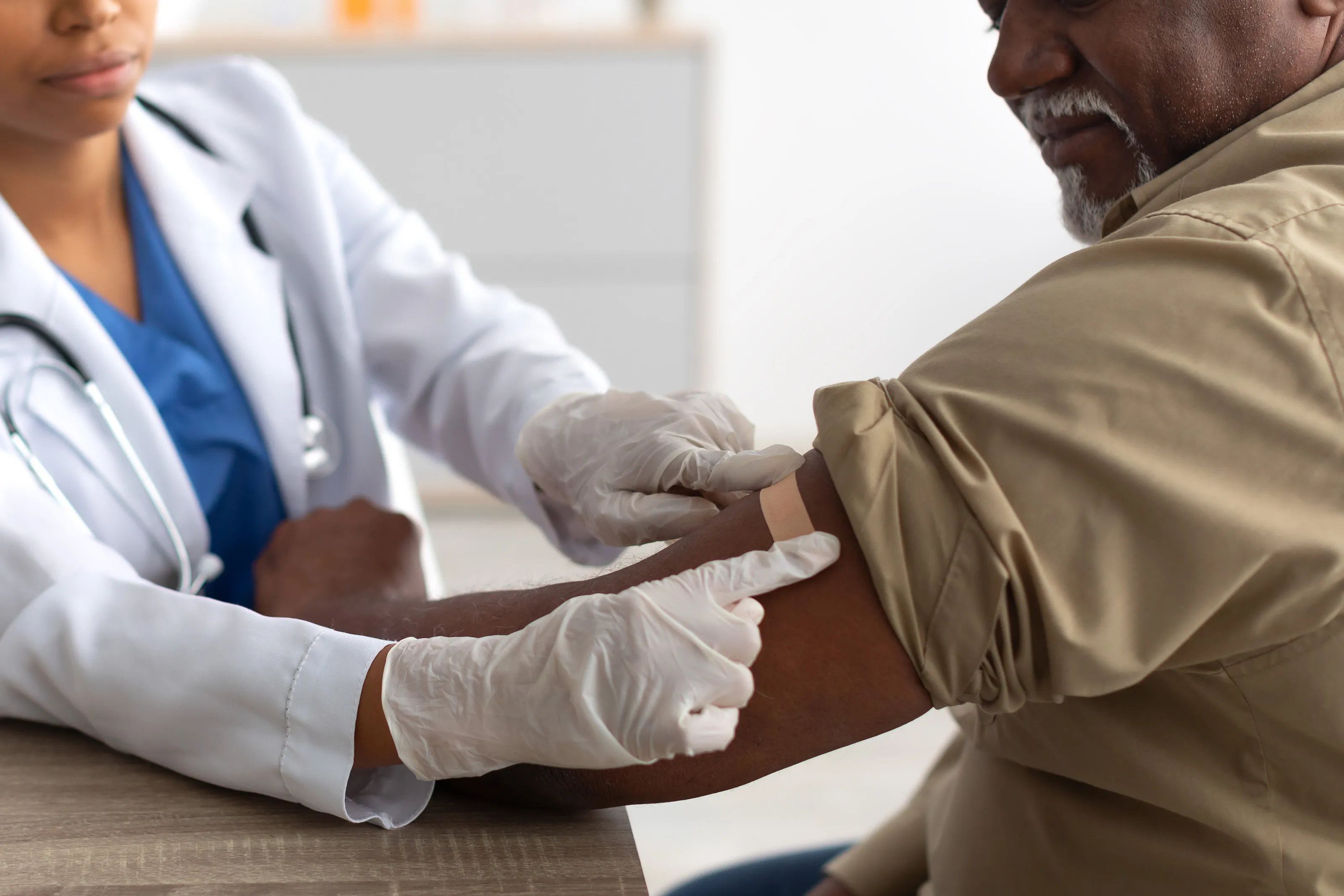
Let’s be clear: The primary reason to be vaccinated against shingles is that two shots provide at least 90% protection against a painful, blistering disease that affects one in three Americans during their lifetimes. This condition can lead to lingering nerve pain and other serious long-term consequences.
For older adults, another crucial vaccination is against the respiratory infection RSV. The vaccine significantly reduces the risk of hospitalization by almost 70% in the year it’s administered, and by nearly 60% over two years, making it a vital preventive measure.
Annual flu shots are equally important. While their effectiveness can vary based on how accurately scientists predict the circulating strain of influenza, these vaccinations reliably reduce the severity of illness for those who do contract the virus.
Emerging research highlights additional reasons for older adults to get vaccinated, known in medical terms as off-target benefits. These benefits extend beyond the primary purpose of preventing specific diseases.
According to William Schaffner, an infectious disease specialist at Vanderbilt University Medical Center, the list of off-target benefits has been growing as research has accelerated over the past decade. Some of these benefits are well-established through years of data, while others are still being explored. Notably, the first RSV vaccines became available only in 2023.
Stefania Maggi, a geriatrician and senior fellow at the Institute of Neuroscience in Italy, emphasizes that findings regarding these off-target benefits are consistent. Her recent meta-analysis, published in the British journal Age and Ageing, found reduced risks of dementia following vaccinations for various diseases. She asserts that vaccines are essential tools for promoting healthy aging and preventing cognitive decline.
Despite the clear benefits, many older adults have not taken full advantage of vaccination. The Centers for Disease Control and Prevention reported that about 31% of older adults had not received a flu shot. Only 41% of adults aged 75 and older had ever been vaccinated against RSV, and about a third of seniors had received the latest COVID-19 vaccine.
The CDC recommends a one-and-done pneumococcal vaccine for adults aged 50 and older. However, an analysis in the American Journal of Preventive Medicine estimated that from 2022 to 2024, only about 12% of those aged 67 to 74 received it, and about 8% of those 75 and older.
Strong evidence for off-target benefits has existed for 25 years, showing reduced cardiovascular risk following flu shots. Healthy older adults vaccinated against flu have significantly lower risks of hospitalization for heart failure, pneumonia, and other respiratory infections. Additionally, flu vaccination has been linked to lower risks of heart attack and stroke.
Could the RSV vaccine have similar cardiovascular effects? A recent large Danish study found a nearly 10% decline in cardiorespiratory hospitalizations among vaccinated older adults compared to a control group, indicating a significant decrease.
While lowered rates of cardiovascular hospitalizations and stroke did not reach statistical significance, Helen Chu, an infectious disease specialist at the University of Washington, suggests that it may be too early to draw firm conclusions about RSV.
Vaccination against COVID-19 has also been associated with a lower risk of developing long COVID, which can have damaging effects on both physical and mental health.
Perhaps the most striking findings involve shingles vaccination. Researchers recently documented an association between shingles vaccination and lower rates of dementia, even with the less effective vaccine that has since been replaced by Shingrix, approved in 2017.
Most studies examining off-target benefits are observational, as it is unethical to withhold a safe, effective vaccine from a control group. This leads to potential “healthy volunteer bias,” where vaccinated individuals may also engage in other healthy behaviors.
However, researchers have identified a natural experiment in Wales from 2013, when the first shingles vaccine, Zostavax, became available to older individuals under 80. Over seven years, dementia rates in those eligible for vaccination declined by 20%, even though only half received the vaccine, compared to those who narrowly missed the cutoff.
Studies in Australia and the United States have also found reductions in dementia odds following shingles shots. In Maggi’s meta-analysis, several vaccinations were linked to reduced dementia risk, with shingles vaccination associated with a 24% reduction, flu vaccination linked to a 13% reduction, and pneumococcal vaccination showing a 36% reduction in Alzheimer’s risk.
The Tdap vaccine against tetanus, diphtheria, and pertussis is recommended every ten years, often prompted by the birth of a grandchild. It has been associated with a one-third decline in dementia risk.
Other researchers are exploring the effects of shingles vaccination on heart attacks and stroke and COVID vaccination on cancer survival.
What accounts for these vaccine bonuses? Most hypotheses center on the inflammation that occurs when the immune system responds to an infection. This inflammation can lead to long-lasting damage, allowing other infections to take hold or causing cardiovascular events.
Hospitalization itself poses risks, as older patients can become deconditioned or develop delirium, which are factors for dementia and other health issues. Vaccines that reduce hospitalization may therefore help delay or prevent cognitive decline.
Despite the benefits of vaccination, public health messaging has faced challenges. The current national policy on vaccination appears uncertain, and some may view it as anti-vaccine. This situation could contribute to inadequate vaccination rates among older Americans, leaving them vulnerable to both infectious diseases and the emerging off-target benefits of vaccination.
“The New Old Age” is produced through a partnership with The New York Times.
Let’s be clear: The primary reason to be vaccinated against shingles is that two shots provide at least 90% protection against a painful, blistering disease that affects one in three Americans during their lifetimes. This condition can lead to lingering nerve pain and other serious long-term consequences.
For older adults, another crucial vaccination is against the respiratory infection RSV. The vaccine significantly reduces the risk of hospitalization by almost 70% in the year it’s administered, and by nearly 60% over two years, making it a vital preventive measure.
Annual flu shots are equally important. While their effectiveness can vary based on how accurately scientists predict the circulating strain of influenza, these vaccinations reliably reduce the severity of illness for those who do contract the virus.
Emerging research highlights additional reasons for older adults to get vaccinated, known in medical terms as off-target benefits. These benefits extend beyond the primary purpose of preventing specific diseases.
According to William Schaffner, an infectious disease specialist at Vanderbilt University Medical Center, the list of off-target benefits has been growing as research has accelerated over the past decade. Some of these benefits are well-established through years of data, while others are still being explored. Notably, the first RSV vaccines became available only in 2023.
Stefania Maggi, a geriatrician and senior fellow at the Institute of Neuroscience in Italy, emphasizes that findings regarding these off-target benefits are consistent. Her recent meta-analysis, published in the British journal Age and Ageing, found reduced risks of dementia following vaccinations for various diseases. She asserts that vaccines are essential tools for promoting healthy aging and preventing cognitive decline.
Despite the clear benefits, many older adults have not taken full advantage of vaccination. The Centers for Disease Control and Prevention reported that about 31% of older adults had not received a flu shot. Only 41% of adults aged 75 and older had ever been vaccinated against RSV, and about a third of seniors had received the latest COVID-19 vaccine.
The CDC recommends a one-and-done pneumococcal vaccine for adults aged 50 and older. However, an analysis in the American Journal of Preventive Medicine estimated that from 2022 to 2024, only about 12% of those aged 67 to 74 received it, and about 8% of those 75 and older.
Strong evidence for off-target benefits has existed for 25 years, showing reduced cardiovascular risk following flu shots. Healthy older adults vaccinated against flu have significantly lower risks of hospitalization for heart failure, pneumonia, and other respiratory infections. Additionally, flu vaccination has been linked to lower risks of heart attack and stroke.
Could the RSV vaccine have similar cardiovascular effects? A recent large Danish study found a nearly 10% decline in cardiorespiratory hospitalizations among vaccinated older adults compared to a control group, indicating a significant decrease.
While lowered rates of cardiovascular hospitalizations and stroke did not reach statistical significance, Helen Chu, an infectious disease specialist at the University of Washington, suggests that it may be too early to draw firm conclusions about RSV.
Vaccination against COVID-19 has also been associated with a lower risk of developing long COVID, which can have damaging effects on both physical and mental health.
Perhaps the most striking findings involve shingles vaccination. Researchers recently documented an association between shingles vaccination and lower rates of dementia, even with the less effective vaccine that has since been replaced by Shingrix, approved in 2017.
Most studies examining off-target benefits are observational, as it is unethical to withhold a safe, effective vaccine from a control group. This leads to potential “healthy volunteer bias,” where vaccinated individuals may also engage in other healthy behaviors.
However, researchers have identified a natural experiment in Wales from 2013, when the first shingles vaccine, Zostavax, became available to older individuals under 80. Over seven years, dementia rates in those eligible for vaccination declined by 20%, even though only half received the vaccine, compared to those who narrowly missed the cutoff.
Studies in Australia and the United States have also found reductions in dementia odds following shingles shots. In Maggi’s meta-analysis, several vaccinations were linked to reduced dementia risk, with shingles vaccination associated with a 24% reduction, flu vaccination linked to a 13% reduction, and pneumococcal vaccination showing a 36% reduction in Alzheimer’s risk.
The Tdap vaccine against tetanus, diphtheria, and pertussis is recommended every ten years, often prompted by the birth of a grandchild. It has been associated with a one-third decline in dementia risk.
Other researchers are exploring the effects of shingles vaccination on heart attacks and stroke and COVID vaccination on cancer survival.
What accounts for these vaccine bonuses? Most hypotheses center on the inflammation that occurs when the immune system responds to an infection. This inflammation can lead to long-lasting damage, allowing other infections to take hold or causing cardiovascular events.
Hospitalization itself poses risks, as older patients can become deconditioned or develop delirium, which are factors for dementia and other health issues. Vaccines that reduce hospitalization may therefore help delay or prevent cognitive decline.
Despite the benefits of vaccination, public health messaging has faced challenges. The current national policy on vaccination appears uncertain, and some may view it as anti-vaccine. This situation could contribute to inadequate vaccination rates among older Americans, leaving them vulnerable to both infectious diseases and the emerging off-target benefits of vaccination.
“The New Old Age” is produced through a partnership with The New York Times.