Vanderbilt Minerals Files for Bankruptcy Amid Asbestos Lawsuit Challenges
Vanderbilt Minerals, a company specializing in mining materials for industrial products, has filed for bankruptcy. This decision comes in the wake of a surge in lawsuits alleging that the company sold products contaminated with asbestos.
Despite denying that its products contained this hazardous substance, Vanderbilt plans to auction its assets, with an initial bid set at $50 million from Commodore Materials, as outlined in a recent court filing.
In its bankruptcy documents, Vanderbilt attributed its financial troubles to over 1,400 lawsuits related to talc. The Norwalk, Connecticut-based firm reported spending $8 million on talc-related litigation last year alone. Chief Restructuring Officer Dean Vomero stated that the company was “cash-flow positive absent the growing costs of the talc-related litigation,” but now faces a staggering $117.2 million in associated costs.
This bankruptcy filing is part of a broader trend, as several companies have sought bankruptcy protection to alleviate debts linked to talc. Notably, Johnson & Johnson attempted to leverage the bankruptcy of a smaller subsidiary to eliminate tens of thousands of claims alleging that its talc-based baby powder caused ovarian cancer. J&J continues to deny these allegations and is actively contesting the lawsuits outside of bankruptcy proceedings.
Historically, asbestos was widely utilized in various applications, from insulation to automobile brake pads, due to its heat-resistant properties. However, after being linked to serious health issues such as lung cancer, its use has been heavily restricted by regulatory bodies.
In recent years, law firms representing victims of asbestos-related diseases have broadened their scope, targeting talc miners and companies that utilize talc in their products. The number of lawsuits has surged, particularly following a significant legal defeat for J&J, which resulted in a $2 billion payout to a group of approximately 20 women.
Vanderbilt ceased its talc mining operations in 2008, as indicated in court documents. Currently, the company focuses on producing various forms of clay used in a range of industrial applications, including pharmaceuticals, agriculture, personal care products, and construction materials.
The case is registered as Vanderbilt Minerals LLC, 26-60110, in the US Bankruptcy Court for the Northern District of New York.
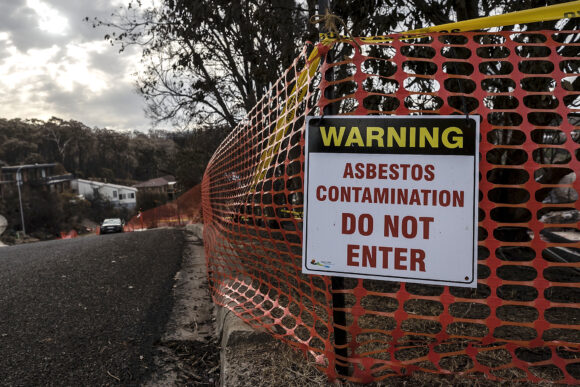
Photo: (Photo by Brook Mitchell/Getty Images)
Copyright 2026 Bloomberg.
Topics
Lawsuits
Interested in Lawsuits?
Get automatic alerts for this topic.
Vanderbilt Minerals, a company specializing in mining materials for industrial products, has filed for bankruptcy. This decision comes in the wake of a surge in lawsuits alleging that the company sold products contaminated with asbestos.
Despite denying that its products contained this hazardous substance, Vanderbilt plans to auction its assets, with an initial bid set at $50 million from Commodore Materials, as outlined in a recent court filing.
In its bankruptcy documents, Vanderbilt attributed its financial troubles to over 1,400 lawsuits related to talc. The Norwalk, Connecticut-based firm reported spending $8 million on talc-related litigation last year alone. Chief Restructuring Officer Dean Vomero stated that the company was “cash-flow positive absent the growing costs of the talc-related litigation,” but now faces a staggering $117.2 million in associated costs.
This bankruptcy filing is part of a broader trend, as several companies have sought bankruptcy protection to alleviate debts linked to talc. Notably, Johnson & Johnson attempted to leverage the bankruptcy of a smaller subsidiary to eliminate tens of thousands of claims alleging that its talc-based baby powder caused ovarian cancer. J&J continues to deny these allegations and is actively contesting the lawsuits outside of bankruptcy proceedings.
Historically, asbestos was widely utilized in various applications, from insulation to automobile brake pads, due to its heat-resistant properties. However, after being linked to serious health issues such as lung cancer, its use has been heavily restricted by regulatory bodies.
In recent years, law firms representing victims of asbestos-related diseases have broadened their scope, targeting talc miners and companies that utilize talc in their products. The number of lawsuits has surged, particularly following a significant legal defeat for J&J, which resulted in a $2 billion payout to a group of approximately 20 women.
Vanderbilt ceased its talc mining operations in 2008, as indicated in court documents. Currently, the company focuses on producing various forms of clay used in a range of industrial applications, including pharmaceuticals, agriculture, personal care products, and construction materials.
The case is registered as Vanderbilt Minerals LLC, 26-60110, in the US Bankruptcy Court for the Northern District of New York.
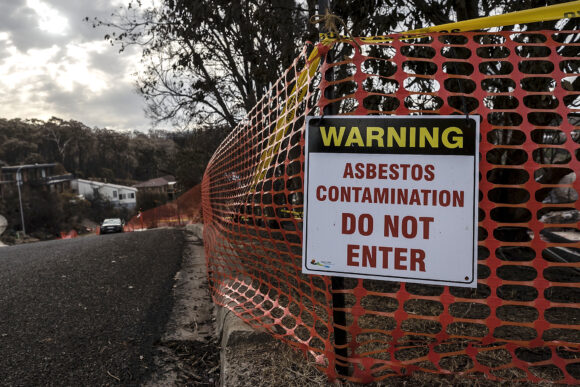
Photo: (Photo by Brook Mitchell/Getty Images)
Copyright 2026 Bloomberg.
Topics
Lawsuits
Interested in Lawsuits?
Get automatic alerts for this topic.