Venezuelan Oil Imports Strengthen US Refineries Against Chinese Dominance
Continental Resources chairman Harold Hamm discusses the U.S.’ interest in Venezuela’s vast oil reserves and more on ‘Kudlow.’
At first glance, it appears contradictory — and critics are quick to label it a moral failure. America is rich in oil, yet President Donald Trump is pursuing Venezuelan crude for U.S. refineries. If the United States is energy-independent, why import oil from Venezuela? After years of sanctions and pressure on Caracas, isn’t this hypocrisy?
The answer is no; it’s a strategic move. A fundamental fact often overlooked is that while America has plenty of oil, it doesn’t always have the right type.
The shale revolution, driven by fracking, has transformed U.S. energy production. This revolution flooded global markets with light, sweet crude, positioning the United States as the world’s leading oil producer. This achievement has bolstered national security and diminished the old OPEC cartel’s influence.
VENEZUELA REOPENS OIL WELLS AND RESUMES CRUDE EXPORTS FOLLOWING TRUMP ADMINISTRATION POLICY CHANGES

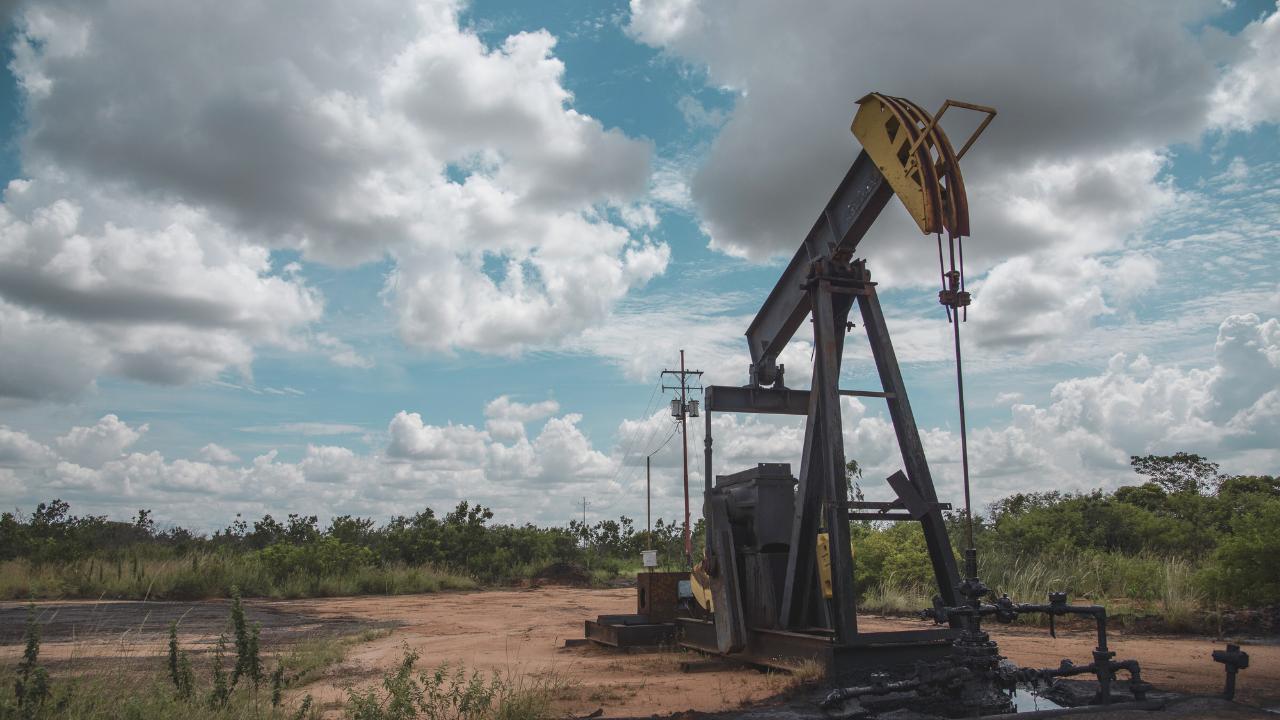
A pump jack stands near an oil spill at a Petroleos de Venezuela SA (PDVSA) facility in the Orinoco Belt of El Tigre, Venezuela. (Bloomberg/Getty Images / Getty Images)
However, fracking has also altered the type of oil produced in the U.S. Much of the refining infrastructure, particularly along the Gulf Coast, was designed decades ago to process heavy, sour crude. These refineries have invested billions in specialized equipment like cokers, hydrocrackers, and desulfurization units to efficiently convert thick, high-sulfur oil into gasoline and diesel.
When these refineries lack sufficient access to heavy crude, they operate below optimal efficiency. This inefficiency leads to decreased yields, increased costs, and a more fragile fuel supply. Disruptions from hurricanes or global events can quickly manifest as higher prices at the pump.
EXXONMOBIL PUSHES BACK ON TRUMP’S CALL FOR INVESTING IN VENEZUELA, SAYS IT’S ‘UNINVESTIBLE’
This is where Venezuelan oil becomes crucial. Venezuela produces some of the heaviest crude globally, which aligns perfectly with the capabilities of many U.S. Gulf Coast refineries. By routing these barrels to American ports, refineries can operate closer to their design capacity, resulting in more gasoline, more diesel, lower prices, and a more stable fuel supply.
The energy economics are clear, but the strategic implications for America’s hemisphere are equally significant.
META’S MASSIVE NUCLEAR POWER DEALS WILL HELP US ‘WIN’ AI RACE AGAINST CHINA, EXECUTIVE SAYS
For years, China has been a significant buyer of Venezuelan oil, utilizing opaque shipping arrangements and debt leverage to bind Caracas to its influence while expanding Beijing’s reach across Latin America. When Venezuelan oil flows to U.S. refineries instead of Chinese ones, it diminishes Beijing’s leverage.
Russia also benefits from the current situation, thriving on sanctions evasion and instability near U.S. borders. A Venezuelan oil trade anchored in transparent, U.S.-aligned markets limits Russia’s ability to use Venezuela as a geopolitical tool in the Western Hemisphere.
The shale revolution, powered by fracking, transformed U.S. energy production. It flooded global markets with light, sweet crude and made the United States the world’s leading oil producer. That achievement strengthened national security and broke the old OPEC cartel’s grip.
Additionally, Cuba — often overlooked — plays a consequential role. This communist island serves as a platform for intelligence collection, political interference, and regional subversion. Cuba exports security services and embeds itself in allied regimes across Latin America, acting as a conduit for Russian and Chinese influence. Venezuelan oil has been a lifeline for this system.
By cutting off that subsidy, the U.S. weakens a communist outpost that exports repression and instability throughout the region. Such instability has far-reaching consequences, as failed states and hostile actors drive migration pressures that eventually reach the U.S. southern border. These pressures do not arise in a vacuum; they stem from poor energy and security policies in our hemisphere.
President Trump understands what his critics fail to grasp: foreign policy that stabilizes fuel prices, strengthens U.S. industry, and weakens adversaries is not hypocrisy; it is smart strategy.
Continental Resources chairman Harold Hamm discusses the U.S.’ interest in Venezuela’s vast oil reserves and more on ‘Kudlow.’
At first glance, it appears contradictory — and critics are quick to label it a moral failure. America is rich in oil, yet President Donald Trump is pursuing Venezuelan crude for U.S. refineries. If the United States is energy-independent, why import oil from Venezuela? After years of sanctions and pressure on Caracas, isn’t this hypocrisy?
The answer is no; it’s a strategic move. A fundamental fact often overlooked is that while America has plenty of oil, it doesn’t always have the right type.
The shale revolution, driven by fracking, has transformed U.S. energy production. This revolution flooded global markets with light, sweet crude, positioning the United States as the world’s leading oil producer. This achievement has bolstered national security and diminished the old OPEC cartel’s influence.
VENEZUELA REOPENS OIL WELLS AND RESUMES CRUDE EXPORTS FOLLOWING TRUMP ADMINISTRATION POLICY CHANGES
A pump jack stands near an oil spill at a Petroleos de Venezuela SA (PDVSA) facility in the Orinoco Belt of El Tigre, Venezuela. (Bloomberg/Getty Images / Getty Images)
However, fracking has also altered the type of oil produced in the U.S. Much of the refining infrastructure, particularly along the Gulf Coast, was designed decades ago to process heavy, sour crude. These refineries have invested billions in specialized equipment like cokers, hydrocrackers, and desulfurization units to efficiently convert thick, high-sulfur oil into gasoline and diesel.
When these refineries lack sufficient access to heavy crude, they operate below optimal efficiency. This inefficiency leads to decreased yields, increased costs, and a more fragile fuel supply. Disruptions from hurricanes or global events can quickly manifest as higher prices at the pump.
EXXONMOBIL PUSHES BACK ON TRUMP’S CALL FOR INVESTING IN VENEZUELA, SAYS IT’S ‘UNINVESTIBLE’
This is where Venezuelan oil becomes crucial. Venezuela produces some of the heaviest crude globally, which aligns perfectly with the capabilities of many U.S. Gulf Coast refineries. By routing these barrels to American ports, refineries can operate closer to their design capacity, resulting in more gasoline, more diesel, lower prices, and a more stable fuel supply.
The energy economics are clear, but the strategic implications for America’s hemisphere are equally significant.
META’S MASSIVE NUCLEAR POWER DEALS WILL HELP US ‘WIN’ AI RACE AGAINST CHINA, EXECUTIVE SAYS
For years, China has been a significant buyer of Venezuelan oil, utilizing opaque shipping arrangements and debt leverage to bind Caracas to its influence while expanding Beijing’s reach across Latin America. When Venezuelan oil flows to U.S. refineries instead of Chinese ones, it diminishes Beijing’s leverage.
Russia also benefits from the current situation, thriving on sanctions evasion and instability near U.S. borders. A Venezuelan oil trade anchored in transparent, U.S.-aligned markets limits Russia’s ability to use Venezuela as a geopolitical tool in the Western Hemisphere.
The shale revolution, powered by fracking, transformed U.S. energy production. It flooded global markets with light, sweet crude and made the United States the world’s leading oil producer. That achievement strengthened national security and broke the old OPEC cartel’s grip.
Additionally, Cuba — often overlooked — plays a consequential role. This communist island serves as a platform for intelligence collection, political interference, and regional subversion. Cuba exports security services and embeds itself in allied regimes across Latin America, acting as a conduit for Russian and Chinese influence. Venezuelan oil has been a lifeline for this system.
By cutting off that subsidy, the U.S. weakens a communist outpost that exports repression and instability throughout the region. Such instability has far-reaching consequences, as failed states and hostile actors drive migration pressures that eventually reach the U.S. southern border. These pressures do not arise in a vacuum; they stem from poor energy and security policies in our hemisphere.
President Trump understands what his critics fail to grasp: foreign policy that stabilizes fuel prices, strengthens U.S. industry, and weakens adversaries is not hypocrisy; it is smart strategy.