What Your Gut Is Telling You: 7 Essential Microbiome Facts

How much do you know about your microbiome? It’s the collection of bacteria and other organisms residing in your gut. The significance of the human microbiome has become increasingly evident in recent years, earning it the nickname “the second brain.” As we delve deeper into this subject, the connections between the gut and the brain become clearer.
For instance, research indicates a link between depression and a deficiency of certain gut bacteria. The same applies to migraines. Ensuring that the microorganisms in your gut are healthy and well-nourished can significantly impact your overall health. One of the best ways to support your microbiome is by consuming a diverse diet rich in various fibers. Let’s explore how to achieve that.
Our gut is home to different types of bacteria and microorganisms, each thriving on distinct nutrients, particularly various forms of fiber and starches. The goal is to cultivate a diverse microbiome by incorporating a wide range of foods, especially those high in fiber, such as fruits, vegetables, grains, nuts, and seeds.
A fun challenge is to aim for thirty or more different plants each week. At first glance, this may seem daunting, but remember that each type of lettuce, herb, grain, and spice counts. You might be surprised at how quickly you can reach that thirty-plant goal. Here’s how you can start.
For breakfast, consider oatmeal, whole-grain toast, grits, granola, or a smoothie packed with various fruits and veggies. Adding chia seeds or flaxseed can introduce even more variety each day.
For lunch, try a mixed salad one day, a flaxseed wrap another, or hummus with raw veggies. Soups are also excellent sources of diverse fibers; adding buckwheat or wild rice can enhance their nutritional profile.

Have you reached twenty yet? If not, mix up your starches with sweet potatoes, pasta, bread, and couscous or quinoa. Roasting your favorite veggies and including beans or pulses can also add to your variety. Experiment with different types of beans, lentils, and dried peas.
Get creative! You can easily hit your thirty-plant goal in a single meal by preparing a hearty soup or chili filled with various beans, veggies, herbs, and spices. Don’t forget about nuts and seeds; they make excellent snacks and contribute to your plant diversity.
Adding Probiotics To Your Diet
Incorporating probiotics into your diet is one of the best ways to enhance your microbiome. Ideally, aim to consume them daily or at least most days of the week. But what exactly are probiotics? They are microorganisms found in certain foods. Yogurt is a familiar example; as long as it hasn’t been pasteurized, it contains live cultures that can help populate your gut with beneficial organisms.
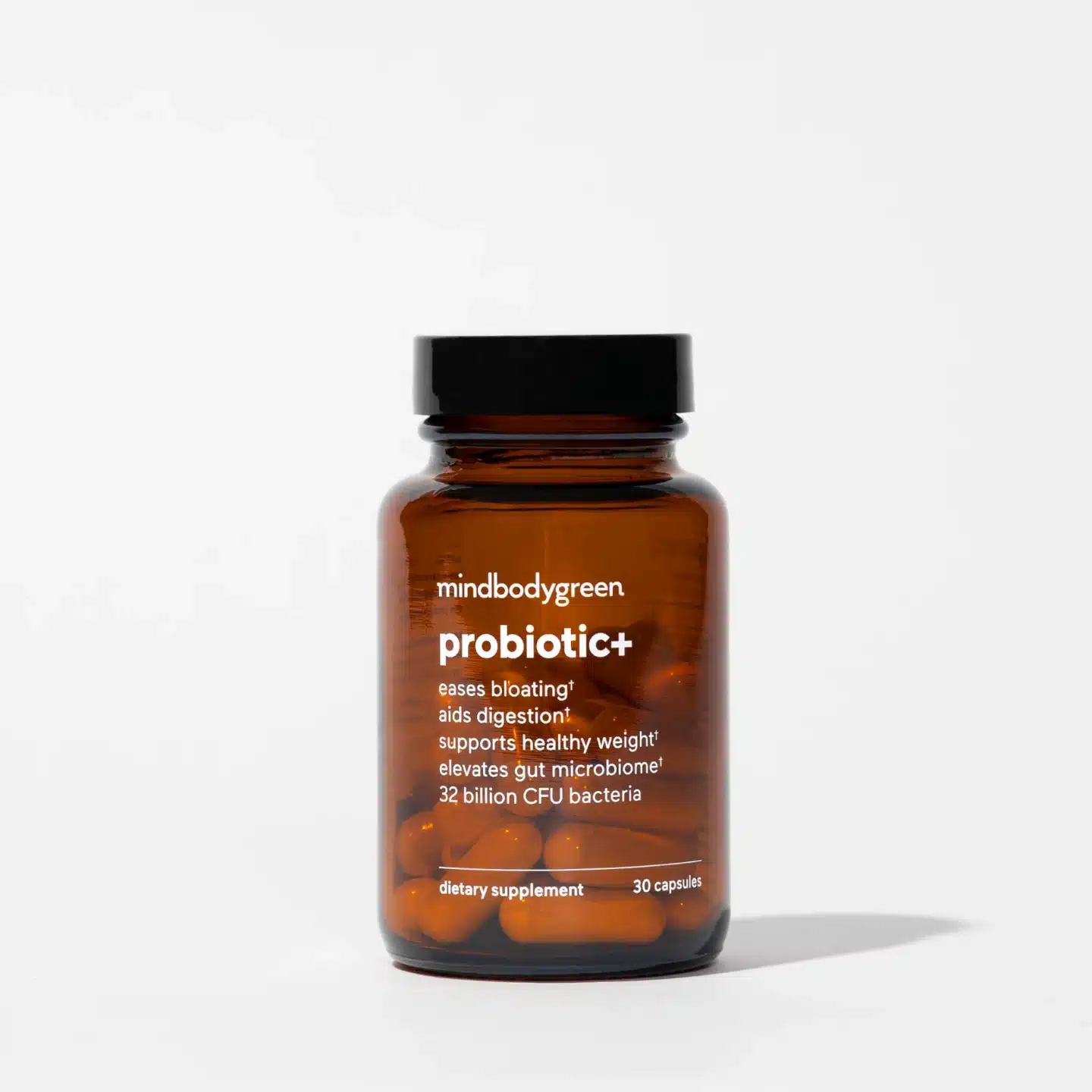
Probiotics should be a daily staple, much like a multivitamin. They support the growth of good bacteria in your gut flora. Options like Microbiome Plus+ are available in pill and drink forms, or you can obtain them from probiotic-rich foods.
Look for fermented foods and drinks, which are already part of many diets. Examples include yogurt, cheese, sauerkraut, sourdough bread, and pickles. Ensure these foods contain live cultures, as many commercial pickles are pasteurized, killing the beneficial bacteria. You can also make many fermented foods at home.
Yogurt: Yogurt is incredibly versatile. Enjoy it plain, sweeten it with fruit or honey, or blend it into a smoothie. Choose yogurts with live cultures and minimal added sugar, as sugar can feed harmful bacteria.
Kefir: If you enjoy yogurt, you’ll likely love kefir, which contains even more probiotics. It’s perfect for smoothies and can be made at home using kefir grains.
Cheese: Cheese is made with the help of bacteria. Unpasteurized varieties can contribute to your probiotic intake.
Sauerkraut & Other Lacto-Fermented Veggies: Sauerkraut is an excellent source of probiotics. Look for unpasteurized options or try making your own. Other vegetables can be fermented similarly—consider carrots and cucumbers, or try kimchi for a flavorful twist.
Experiment with different probiotic-rich foods and consider adding a commercial probiotic for an extra boost, especially after a course of antibiotics.
Let’s Talk About Prebiotics
What do you know about prebiotics? Unlike probiotics, which are live microorganisms, prebiotics are compounds found in food that promote the growth of beneficial microorganisms in your gut. These foods can enhance your microbiome by encouraging the growth of good bacteria throughout your digestive tract.
Prebiotics primarily consist of various types of plant fiber, which serve as the preferred diet for gut bacteria and fungi. These organisms utilize fiber for growth, producing beneficial waste products like vitamin B12. While much remains to be learned about the relationship between our microbiome and our body, it’s clear that our diet plays a crucial role.
Each type of bacteria, fungi, and yeast in our microbiome prefers different fibers. Some harmful bacteria thrive on sugar, while beneficial organisms prefer complex carbohydrates and various fibers found in whole foods like apples and celery. Achieving balance is essential; too much or too little of any particular group can be detrimental.
To cultivate a healthy microbiome, focus on consuming a variety of prebiotic foods daily. Prioritize plant-based whole foods, including multiple grains, herbs, spices, and a wide range of fruits and vegetables. Incorporate both raw and cooked options to provide diverse nourishment for your microorganisms. Over time, you’ll foster a thriving microbiome that supports your health.
If you’re taking a probiotic, it’s crucial to include plenty of prebiotics to help the live cultures establish and thrive in your gut. Try it out and see if you notice improvements in your health and energy levels.
Avoiding Antibiotics And What To Do When You Have To Take Them
Antibiotics are one of the great medical advancements of the 20th century, saving lives daily. However, they can also unintentionally harm your microbiome. While antibiotics effectively combat infections, they can also eliminate beneficial bacteria in your gut, allowing less helpful bacteria to flourish.
To mitigate this, avoid taking antibiotics unless absolutely necessary. Strengthening your immune system through a healthy diet, adequate sleep, and outdoor activity can help prevent infections.
If you must take antibiotics, consider starting a probiotic as soon as possible after completing your course. Consult your healthcare provider for guidance on when to begin. Incorporate natural probiotics like yogurt with live cultures into your diet, and consume plenty of fresh fruits, vegetables, and whole grains to provide prebiotic fiber for your gut.
Cut back on sugar and processed foods until your gut health is restored. In short, prioritize a nutritious diet, give your body what it needs, and don’t hesitate to take antibiotics when necessary.
How Cutting Down On Sugar Helps Your Gut
Your gut is teeming with bacteria and microorganisms, which are essential for breaking down food and providing nutrients. A healthy gut biome is crucial for fully benefiting from nutritious foods, particularly leafy greens.
However, sugars like fructose and sucrose can promote the growth of harmful bacteria, disrupting the balance of good bacteria needed for digestion. Reducing sugar and processed foods can help restore equilibrium in your gut microbiome.
Excess sugar can also lead to inflammation, hindering nutrient absorption and causing digestive issues. An imbalance in gut bacteria can create cravings for more sugar, perpetuating a vicious cycle. To break this cycle, start by minimizing sugary and processed foods, especially sodas and high-fructose corn syrup products. Replace them with fresh fruits and vegetables, and consider taking a reputable probiotic.
The benefits extend beyond gut health; reducing sugar intake lowers the risk of diabetes, heart disease, high blood pressure, and certain cancers. Since cancer cells thrive on sugar, avoiding it can be a protective measure.
While cutting back on sugar can be challenging, the rewards are worth it. You’ll likely feel significantly better once you overcome those cravings.
Sleep And Exercise Are As Important For Your Microbiome As For The Rest Of Your Body
Getting a good night’s sleep is essential, and anyone who has experienced sleepless nights can attest to this. Exercise is equally crucial for a healthy lifestyle. But did you know that both sleep and exercise significantly impact your gut microbiome? Let’s explore how.
How Sleep Affects Your Microbiome
Lack of sleep can increase stress levels, which negatively affects gut health. When we’re tired, we often crave sugary and unhealthy foods, further harming our microbiome. Prioritizing sleep can help maintain a healthy gut and overall well-being.
How Exercise Affects Your Microbiome
While the connection between exercise and gut health is still being studied, it’s clear that regular physical activity can reduce stress and inflammation, similar to the benefits of sleep. Exercise has been linked to an increase in beneficial bacteria that convert dietary fiber into short-chain fatty acids, promoting better health.
The good news is that prioritizing sleep and exercise benefits your entire body and mind. Establishing a routine can be challenging, but once you do, you’ll feel better, and it will become easier. Plus, exercise can improve sleep quality, creating a positive feedback loop.
Introduce More Fermented Foods, And Your Microbiome Will Thank You
Incorporating more fermented foods into your diet is one of the best ways to support gut health. These foods provide a steady supply of beneficial bacteria and often contain prebiotics that nourish your gut, especially fermented vegetables like sauerkraut.
Fermented Vegetables
While sauerkraut is a well-known fermented vegetable, there are many others to explore. Fermented carrot sticks and kimchi are excellent options. You can easily make these at home or find unpasteurized versions at the grocery store.
Fermented Milk Products
Milk is another commonly fermented product. Yogurt and cheese are great additions to your diet. Look for yogurts with active cultures and minimal sugar, and enjoy them as snacks or in smoothies.
Cheese, both hard and soft, can also provide probiotics. A cheese plate with fruits and nuts is a delicious way to combine probiotics and prebiotics.
Fermented Tea
Kombucha, a fermented tea, is a fizzy alternative to sugary sodas that benefits your gut. Water kefir, made with fruit and water kefir grains, is another refreshing option.
Fermenting Grains
Sourdough bread is a fantastic way to ferment grains, making them more digestible. While the baking process kills probiotics, they still contribute to the nutritional transformation of the dough.
There are numerous fermented products to enjoy. Start with a kefir or yogurt smoothie for breakfast, a sourdough sandwich for lunch, and add pickles or sauerkraut to your dinner. Gradually incorporate more fermented foods into your meals, and you’ll soon appreciate their benefits.
How much do you know about your microbiome? It’s the collection of bacteria and other organisms residing in your gut. The significance of the human microbiome has become increasingly evident in recent years, earning it the nickname “the second brain.” As we delve deeper into this subject, the connections between the gut and the brain become clearer.
For instance, research indicates a link between depression and a deficiency of certain gut bacteria. The same applies to migraines. Ensuring that the microorganisms in your gut are healthy and well-nourished can significantly impact your overall health. One of the best ways to support your microbiome is by consuming a diverse diet rich in various fibers. Let’s explore how to achieve that.
Our gut is home to different types of bacteria and microorganisms, each thriving on distinct nutrients, particularly various forms of fiber and starches. The goal is to cultivate a diverse microbiome by incorporating a wide range of foods, especially those high in fiber, such as fruits, vegetables, grains, nuts, and seeds.
A fun challenge is to aim for thirty or more different plants each week. At first glance, this may seem daunting, but remember that each type of lettuce, herb, grain, and spice counts. You might be surprised at how quickly you can reach that thirty-plant goal. Here’s how you can start.
For breakfast, consider oatmeal, whole-grain toast, grits, granola, or a smoothie packed with various fruits and veggies. Adding chia seeds or flaxseed can introduce even more variety each day.
For lunch, try a mixed salad one day, a flaxseed wrap another, or hummus with raw veggies. Soups are also excellent sources of diverse fibers; adding buckwheat or wild rice can enhance their nutritional profile.
Have you reached twenty yet? If not, mix up your starches with sweet potatoes, pasta, bread, and couscous or quinoa. Roasting your favorite veggies and including beans or pulses can also add to your variety. Experiment with different types of beans, lentils, and dried peas.
Get creative! You can easily hit your thirty-plant goal in a single meal by preparing a hearty soup or chili filled with various beans, veggies, herbs, and spices. Don’t forget about nuts and seeds; they make excellent snacks and contribute to your plant diversity.
Adding Probiotics To Your Diet
Incorporating probiotics into your diet is one of the best ways to enhance your microbiome. Ideally, aim to consume them daily or at least most days of the week. But what exactly are probiotics? They are microorganisms found in certain foods. Yogurt is a familiar example; as long as it hasn’t been pasteurized, it contains live cultures that can help populate your gut with beneficial organisms.
Probiotics should be a daily staple, much like a multivitamin. They support the growth of good bacteria in your gut flora. Options like Microbiome Plus+ are available in pill and drink forms, or you can obtain them from probiotic-rich foods.
Look for fermented foods and drinks, which are already part of many diets. Examples include yogurt, cheese, sauerkraut, sourdough bread, and pickles. Ensure these foods contain live cultures, as many commercial pickles are pasteurized, killing the beneficial bacteria. You can also make many fermented foods at home.
Yogurt: Yogurt is incredibly versatile. Enjoy it plain, sweeten it with fruit or honey, or blend it into a smoothie. Choose yogurts with live cultures and minimal added sugar, as sugar can feed harmful bacteria.
Kefir: If you enjoy yogurt, you’ll likely love kefir, which contains even more probiotics. It’s perfect for smoothies and can be made at home using kefir grains.
Cheese: Cheese is made with the help of bacteria. Unpasteurized varieties can contribute to your probiotic intake.
Sauerkraut & Other Lacto-Fermented Veggies: Sauerkraut is an excellent source of probiotics. Look for unpasteurized options or try making your own. Other vegetables can be fermented similarly—consider carrots and cucumbers, or try kimchi for a flavorful twist.
Experiment with different probiotic-rich foods and consider adding a commercial probiotic for an extra boost, especially after a course of antibiotics.
Let’s Talk About Prebiotics
What do you know about prebiotics? Unlike probiotics, which are live microorganisms, prebiotics are compounds found in food that promote the growth of beneficial microorganisms in your gut. These foods can enhance your microbiome by encouraging the growth of good bacteria throughout your digestive tract.
Prebiotics primarily consist of various types of plant fiber, which serve as the preferred diet for gut bacteria and fungi. These organisms utilize fiber for growth, producing beneficial waste products like vitamin B12. While much remains to be learned about the relationship between our microbiome and our body, it’s clear that our diet plays a crucial role.
Each type of bacteria, fungi, and yeast in our microbiome prefers different fibers. Some harmful bacteria thrive on sugar, while beneficial organisms prefer complex carbohydrates and various fibers found in whole foods like apples and celery. Achieving balance is essential; too much or too little of any particular group can be detrimental.
To cultivate a healthy microbiome, focus on consuming a variety of prebiotic foods daily. Prioritize plant-based whole foods, including multiple grains, herbs, spices, and a wide range of fruits and vegetables. Incorporate both raw and cooked options to provide diverse nourishment for your microorganisms. Over time, you’ll foster a thriving microbiome that supports your health.
If you’re taking a probiotic, it’s crucial to include plenty of prebiotics to help the live cultures establish and thrive in your gut. Try it out and see if you notice improvements in your health and energy levels.
Avoiding Antibiotics And What To Do When You Have To Take Them
Antibiotics are one of the great medical advancements of the 20th century, saving lives daily. However, they can also unintentionally harm your microbiome. While antibiotics effectively combat infections, they can also eliminate beneficial bacteria in your gut, allowing less helpful bacteria to flourish.
To mitigate this, avoid taking antibiotics unless absolutely necessary. Strengthening your immune system through a healthy diet, adequate sleep, and outdoor activity can help prevent infections.
If you must take antibiotics, consider starting a probiotic as soon as possible after completing your course. Consult your healthcare provider for guidance on when to begin. Incorporate natural probiotics like yogurt with live cultures into your diet, and consume plenty of fresh fruits, vegetables, and whole grains to provide prebiotic fiber for your gut.
Cut back on sugar and processed foods until your gut health is restored. In short, prioritize a nutritious diet, give your body what it needs, and don’t hesitate to take antibiotics when necessary.
How Cutting Down On Sugar Helps Your Gut
Your gut is teeming with bacteria and microorganisms, which are essential for breaking down food and providing nutrients. A healthy gut biome is crucial for fully benefiting from nutritious foods, particularly leafy greens.
However, sugars like fructose and sucrose can promote the growth of harmful bacteria, disrupting the balance of good bacteria needed for digestion. Reducing sugar and processed foods can help restore equilibrium in your gut microbiome.
Excess sugar can also lead to inflammation, hindering nutrient absorption and causing digestive issues. An imbalance in gut bacteria can create cravings for more sugar, perpetuating a vicious cycle. To break this cycle, start by minimizing sugary and processed foods, especially sodas and high-fructose corn syrup products. Replace them with fresh fruits and vegetables, and consider taking a reputable probiotic.
The benefits extend beyond gut health; reducing sugar intake lowers the risk of diabetes, heart disease, high blood pressure, and certain cancers. Since cancer cells thrive on sugar, avoiding it can be a protective measure.
While cutting back on sugar can be challenging, the rewards are worth it. You’ll likely feel significantly better once you overcome those cravings.
Sleep And Exercise Are As Important For Your Microbiome As For The Rest Of Your Body
Getting a good night’s sleep is essential, and anyone who has experienced sleepless nights can attest to this. Exercise is equally crucial for a healthy lifestyle. But did you know that both sleep and exercise significantly impact your gut microbiome? Let’s explore how.
How Sleep Affects Your Microbiome
Lack of sleep can increase stress levels, which negatively affects gut health. When we’re tired, we often crave sugary and unhealthy foods, further harming our microbiome. Prioritizing sleep can help maintain a healthy gut and overall well-being.
How Exercise Affects Your Microbiome
While the connection between exercise and gut health is still being studied, it’s clear that regular physical activity can reduce stress and inflammation, similar to the benefits of sleep. Exercise has been linked to an increase in beneficial bacteria that convert dietary fiber into short-chain fatty acids, promoting better health.
The good news is that prioritizing sleep and exercise benefits your entire body and mind. Establishing a routine can be challenging, but once you do, you’ll feel better, and it will become easier. Plus, exercise can improve sleep quality, creating a positive feedback loop.
Introduce More Fermented Foods, And Your Microbiome Will Thank You
Incorporating more fermented foods into your diet is one of the best ways to support gut health. These foods provide a steady supply of beneficial bacteria and often contain prebiotics that nourish your gut, especially fermented vegetables like sauerkraut.
Fermented Vegetables
While sauerkraut is a well-known fermented vegetable, there are many others to explore. Fermented carrot sticks and kimchi are excellent options. You can easily make these at home or find unpasteurized versions at the grocery store.
Fermented Milk Products
Milk is another commonly fermented product. Yogurt and cheese are great additions to your diet. Look for yogurts with active cultures and minimal sugar, and enjoy them as snacks or in smoothies.
Cheese, both hard and soft, can also provide probiotics. A cheese plate with fruits and nuts is a delicious way to combine probiotics and prebiotics.
Fermented Tea
Kombucha, a fermented tea, is a fizzy alternative to sugary sodas that benefits your gut. Water kefir, made with fruit and water kefir grains, is another refreshing option.
Fermenting Grains
Sourdough bread is a fantastic way to ferment grains, making them more digestible. While the baking process kills probiotics, they still contribute to the nutritional transformation of the dough.
There are numerous fermented products to enjoy. Start with a kefir or yogurt smoothie for breakfast, a sourdough sandwich for lunch, and add pickles or sauerkraut to your dinner. Gradually incorporate more fermented foods into your meals, and you’ll soon appreciate their benefits.