Will Marco Rubio’s Message Resonate with Europe and Global Leaders? Insights from Larry Kudlow
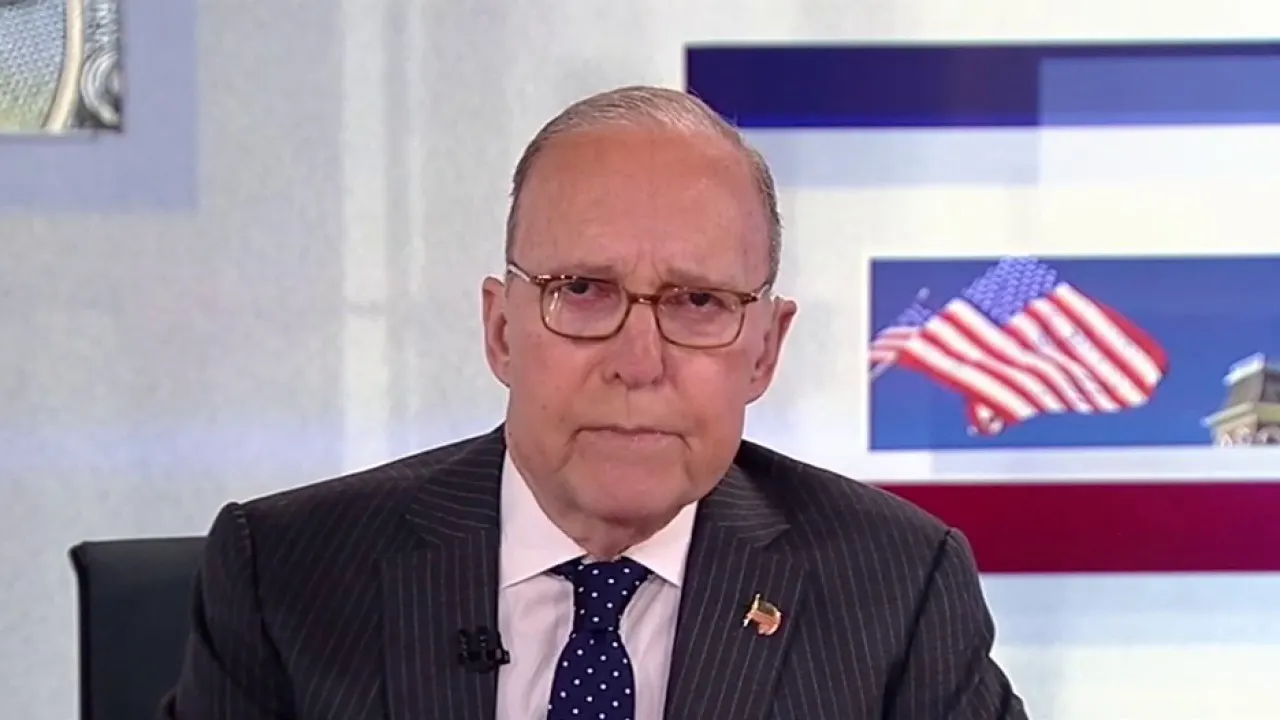
Trumponomics is booming in America, and as the president highlights, we are currently the hottest economy and the hottest country in the world. With growth rates soaring at 4 percent or more, the landscape is vibrant with booming productivity and advanced technologies.
Our advancements in artificial intelligence and data centers are unparalleled, and we lead the world in cutting-edge chip technology. Additionally, we are recognized as the dominant energy power, further solidifying our economic prowess.
The stock markets are reaching record highs, and private employment is surging. Notably, both trade and budget deficits are on a downward trajectory, creating a robust economic backdrop.
This context sets the stage for Secretary of State Marco Rubio’s impactful speech at the Munich Security Conference. Rubio emphasized that “we in America have no interest in being polite and orderly caretakers of the West’s managed decline.” His remarks underscore a commitment to a proactive American role on the global stage.
Rubio articulated that America does not seek to operate as a global welfare state or atone for the perceived sins of previous generations. He also criticized the prevailing climate change narrative, which he believes has led to the deindustrialization of Europe, leaving its economies struggling to recover.
His speech was a masterclass in diplomacy, delivering a stern message to Europe regarding issues like unlimited illegal immigration and the erosion of national sovereignty. He pointed out that expansive welfare states have hindered adequate defense spending across Europe, labeling globalism as a “dangerous delusion.”
Rubio specifically called out the United Nations for its ineffectiveness in addressing crises in Gaza, Ukraine, Iran, and Venezuela, contrasting this with America’s proactive leadership under President Trump. He argued that free trade has faltered due to rampant protectionism and subsidies from other nations, which have closed their markets to American goods.
In response, Trump’s trade reciprocity policy aims to rectify these imbalances. Rubio urged the conference attendees to close their borders, reclaim sovereignty, and focus on revitalizing technology rather than attacking American tech companies. He also called for an end to the climate cult that he believes is stifling progress.
Throughout his address, Rubio graciously acknowledged the shared heritage of Western civilization, referencing Italian explorers, English settlers, and Spanish cowboys, while highlighting the importance of Christian faith, culture, heritage, and language.
The speech resonated well with the audience, earning Rubio a standing ovation. His influence as a senator and now as Secretary of State is significant, but the real question remains: will his wisdom resonate with Europe and beyond?
Trumponomics is booming in America, and as the president highlights, we are currently the hottest economy and the hottest country in the world. With growth rates soaring at 4 percent or more, the landscape is vibrant with booming productivity and advanced technologies.
Our advancements in artificial intelligence and data centers are unparalleled, and we lead the world in cutting-edge chip technology. Additionally, we are recognized as the dominant energy power, further solidifying our economic prowess.
The stock markets are reaching record highs, and private employment is surging. Notably, both trade and budget deficits are on a downward trajectory, creating a robust economic backdrop.
This context sets the stage for Secretary of State Marco Rubio’s impactful speech at the Munich Security Conference. Rubio emphasized that “we in America have no interest in being polite and orderly caretakers of the West’s managed decline.” His remarks underscore a commitment to a proactive American role on the global stage.
Rubio articulated that America does not seek to operate as a global welfare state or atone for the perceived sins of previous generations. He also criticized the prevailing climate change narrative, which he believes has led to the deindustrialization of Europe, leaving its economies struggling to recover.
His speech was a masterclass in diplomacy, delivering a stern message to Europe regarding issues like unlimited illegal immigration and the erosion of national sovereignty. He pointed out that expansive welfare states have hindered adequate defense spending across Europe, labeling globalism as a “dangerous delusion.”
Rubio specifically called out the United Nations for its ineffectiveness in addressing crises in Gaza, Ukraine, Iran, and Venezuela, contrasting this with America’s proactive leadership under President Trump. He argued that free trade has faltered due to rampant protectionism and subsidies from other nations, which have closed their markets to American goods.
In response, Trump’s trade reciprocity policy aims to rectify these imbalances. Rubio urged the conference attendees to close their borders, reclaim sovereignty, and focus on revitalizing technology rather than attacking American tech companies. He also called for an end to the climate cult that he believes is stifling progress.
Throughout his address, Rubio graciously acknowledged the shared heritage of Western civilization, referencing Italian explorers, English settlers, and Spanish cowboys, while highlighting the importance of Christian faith, culture, heritage, and language.
The speech resonated well with the audience, earning Rubio a standing ovation. His influence as a senator and now as Secretary of State is significant, but the real question remains: will his wisdom resonate with Europe and beyond?