Winter Storm Fern: Coal Fuels Energy Grid During Severe Weather Crisis
Fox News correspondent Sarah Alegre joins Fox & Friends Weekend from Nashville, Tennessee, to discuss sweeping power outages across the U.S. as accumulated ice from a winter storm takes down power lines.
A deadly and historic winter storm has impacted a staggering 2,300-mile stretch of the country, bringing with it snow, ice, and widespread power outages. This severe weather has prompted a renewed focus on power production from coal, highlighting fossil fuels as reliable energy sources during extreme conditions.
Winter Storm Fern has caused life-threatening power outages across many parts of the South, while the Northeast has been buried under heavy snow. The storm has led to over 800,000 power outages in the South alone, with ice accumulation from freezing rain toppling trees and knocking out power lines. As of Monday afternoon, PowerOutage.us reported more than 229,000 outages in Tennessee, over 152,000 in Mississippi, nearly 114,000 in Louisiana, and over 45,000 in Texas. States like Kentucky, South Carolina, Georgia, and Virginia also reported outages ranging from 15,000 to 36,000.
In response to the crisis, Energy Secretary Chris Wright issued emergency orders allowing energy operators in the Mid-Atlantic, New England, and Texas to utilize their power-generating resources as needed to ensure grid stability, regardless of environmental permits or state laws.
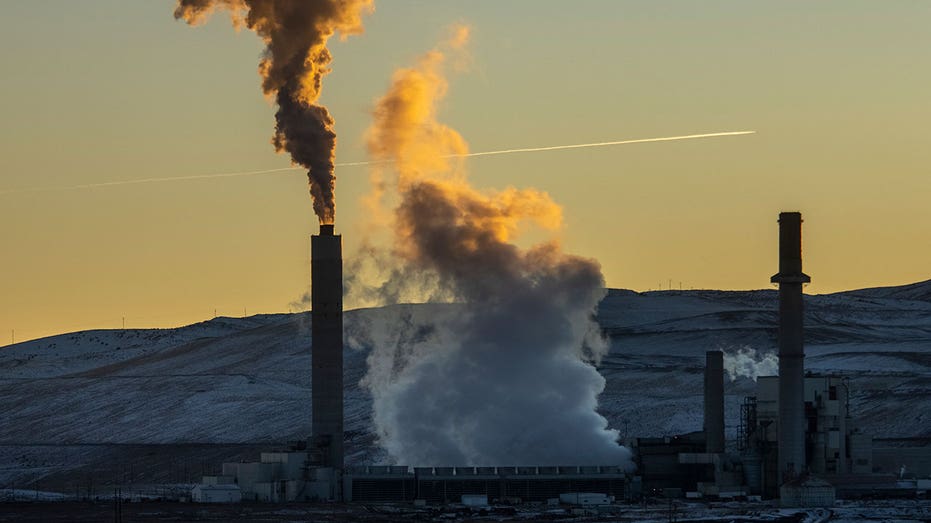
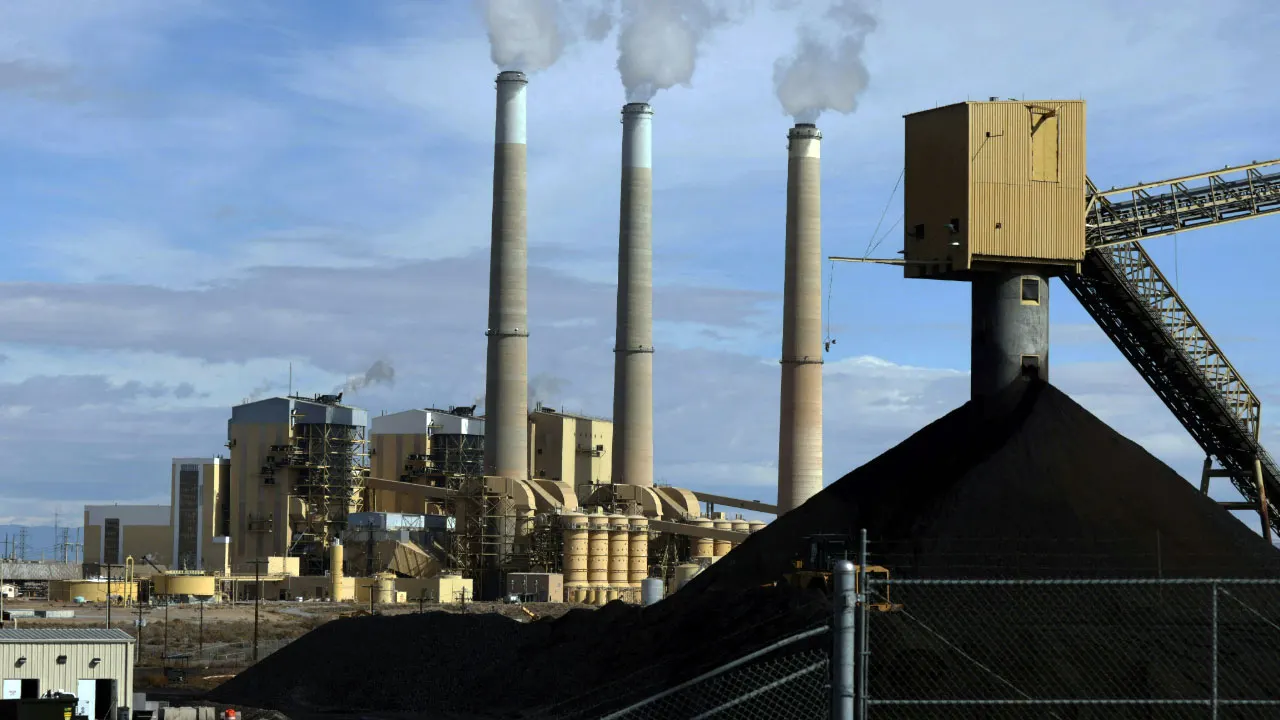
Coal power plants are helping to sustain the power grid during the ongoing winter storm. (Natalie Behring/Getty Images)
“As Winter Storm Fern brings extreme cold and dangerous conditions across the country, maintaining affordable, reliable, and secure power is non-negotiable,” Wright stated in his announcement. He also directed Texas grid operator ERCOT to utilize power from backup generators at data centers and other industrial sites to alleviate the strain on the grid.
“The previous administration’s energy subtraction policies weakened the grid, leaving Americans more vulnerable during events like Winter Storm Fern,” Wright added. “Thanks to President Trump’s leadership, we are reversing those failures and using every available tool to keep the lights on and Americans safe through this storm.”
MORE THAN 1 MILLION AMERICANS LOSE POWER AS MONSTER WINTER STORM SWEEPS ACROSS THE US
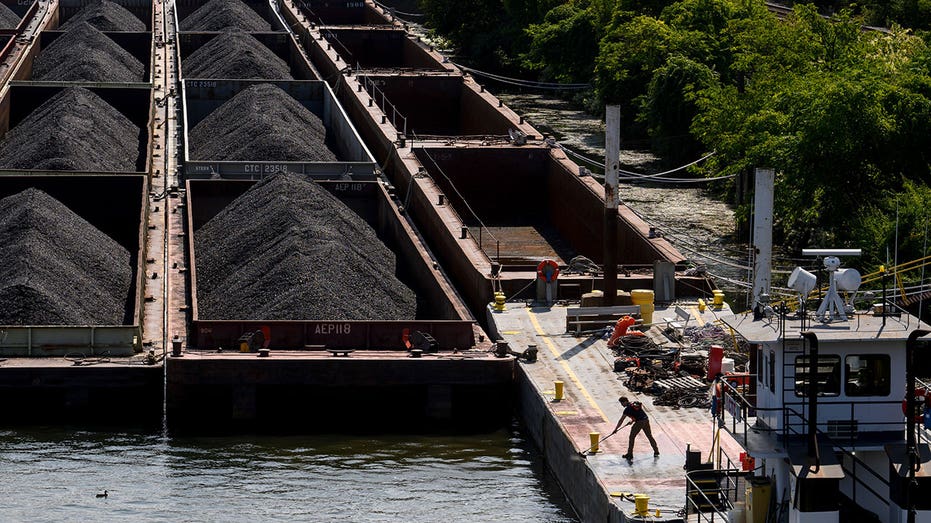
Coal has played a key role in powering the energy grid during winter storms, when renewable sources like wind and solar are less available. (Justin Merriman/Bloomberg via Getty Images)
In recent decades, efforts to reduce reliance on fossil fuels like coal and cleaner-burning natural gas have gained momentum, favoring renewable energy sources like wind and solar. However, the severe winter storm has underscored the critical role that coal and natural gas can play in maintaining grid stability by providing stable baseload power when renewable sources fall short.
The PJM Interconnection, the largest power grid operator in the U.S., which serves parts of the Mid-Atlantic and Midwest regions, reported on Monday that it was supplying power generated from gas (41%), nuclear (27%), and coal (24%), while renewable energy sources like wind and solar contributed less than 5% each.
MASSIVE WINTER STORM STRAINS US POWER GRID AS OPERATORS SCRAMBLE TO AVOID BLACKOUTS
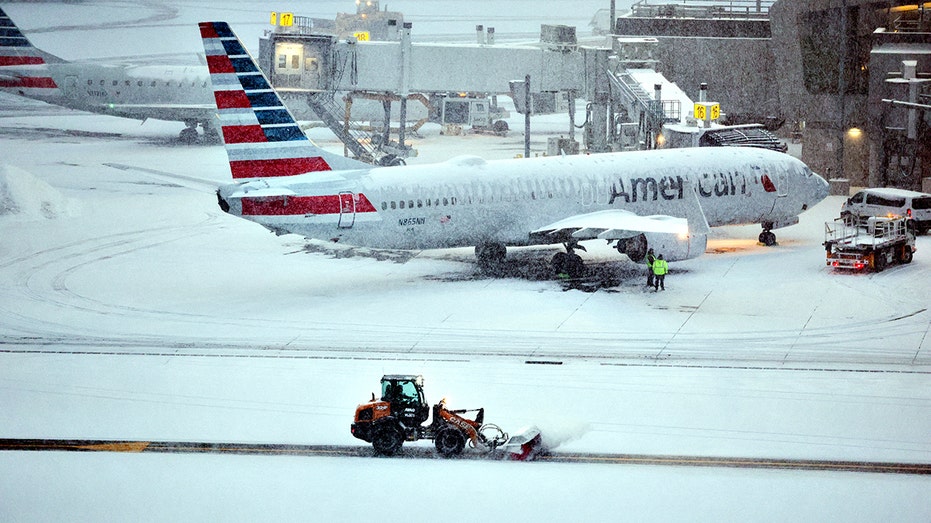
Winter Storm Fern disrupted thousands of flights around the country. (Charly Triballeau/AFP via Getty Images)
A report published in November by the North American Electric Reliability Corporation highlighted the importance of coal in supporting the electric grid during winter storms. The report noted that while coal’s share in the overall resource mix is declining, it remains crucial for meeting demand during extreme weather events. Additionally, oil inventories at dual-fuel gas-oil generators help mitigate risks related to natural gas delivery in infrastructure-constrained regions, especially during winter.
GET FOX BUSINESS ON THE GO BY CLICKING HERE
According to the report, it is often impractical or prohibitively expensive to stockpile natural gas at power plants, exposing the bulk power system to risks associated with the supply and delivery of this just-in-time fuel.
Fox News correspondent Sarah Alegre joins Fox & Friends Weekend from Nashville, Tennessee, to discuss sweeping power outages across the U.S. as accumulated ice from a winter storm takes down power lines.
A deadly and historic winter storm has impacted a staggering 2,300-mile stretch of the country, bringing with it snow, ice, and widespread power outages. This severe weather has prompted a renewed focus on power production from coal, highlighting fossil fuels as reliable energy sources during extreme conditions.
Winter Storm Fern has caused life-threatening power outages across many parts of the South, while the Northeast has been buried under heavy snow. The storm has led to over 800,000 power outages in the South alone, with ice accumulation from freezing rain toppling trees and knocking out power lines. As of Monday afternoon, PowerOutage.us reported more than 229,000 outages in Tennessee, over 152,000 in Mississippi, nearly 114,000 in Louisiana, and over 45,000 in Texas. States like Kentucky, South Carolina, Georgia, and Virginia also reported outages ranging from 15,000 to 36,000.
In response to the crisis, Energy Secretary Chris Wright issued emergency orders allowing energy operators in the Mid-Atlantic, New England, and Texas to utilize their power-generating resources as needed to ensure grid stability, regardless of environmental permits or state laws.
Coal power plants are helping to sustain the power grid during the ongoing winter storm. (Natalie Behring/Getty Images)
“As Winter Storm Fern brings extreme cold and dangerous conditions across the country, maintaining affordable, reliable, and secure power is non-negotiable,” Wright stated in his announcement. He also directed Texas grid operator ERCOT to utilize power from backup generators at data centers and other industrial sites to alleviate the strain on the grid.
“The previous administration’s energy subtraction policies weakened the grid, leaving Americans more vulnerable during events like Winter Storm Fern,” Wright added. “Thanks to President Trump’s leadership, we are reversing those failures and using every available tool to keep the lights on and Americans safe through this storm.”
MORE THAN 1 MILLION AMERICANS LOSE POWER AS MONSTER WINTER STORM SWEEPS ACROSS THE US
Coal has played a key role in powering the energy grid during winter storms, when renewable sources like wind and solar are less available. (Justin Merriman/Bloomberg via Getty Images)
In recent decades, efforts to reduce reliance on fossil fuels like coal and cleaner-burning natural gas have gained momentum, favoring renewable energy sources like wind and solar. However, the severe winter storm has underscored the critical role that coal and natural gas can play in maintaining grid stability by providing stable baseload power when renewable sources fall short.
The PJM Interconnection, the largest power grid operator in the U.S., which serves parts of the Mid-Atlantic and Midwest regions, reported on Monday that it was supplying power generated from gas (41%), nuclear (27%), and coal (24%), while renewable energy sources like wind and solar contributed less than 5% each.
MASSIVE WINTER STORM STRAINS US POWER GRID AS OPERATORS SCRAMBLE TO AVOID BLACKOUTS
Winter Storm Fern disrupted thousands of flights around the country. (Charly Triballeau/AFP via Getty Images)
A report published in November by the North American Electric Reliability Corporation highlighted the importance of coal in supporting the electric grid during winter storms. The report noted that while coal’s share in the overall resource mix is declining, it remains crucial for meeting demand during extreme weather events. Additionally, oil inventories at dual-fuel gas-oil generators help mitigate risks related to natural gas delivery in infrastructure-constrained regions, especially during winter.
GET FOX BUSINESS ON THE GO BY CLICKING HERE
According to the report, it is often impractical or prohibitively expensive to stockpile natural gas at power plants, exposing the bulk power system to risks associated with the supply and delivery of this just-in-time fuel.