It’s Time to Worry About Ticks in the City
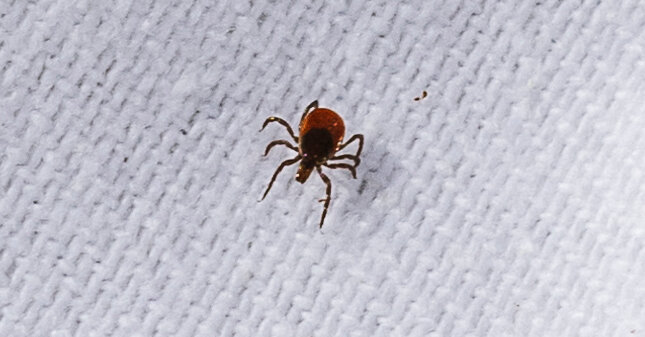
Blanket. Snacks. Drinks. Sunscreen. Tick check?
As summer approaches, many people look forward to picnics in city parks and enjoying urban green spaces. However, this year, experts across the Northeast are warning about an increased risk of tick encounters.
In metropolitan areas along the East Coast, tick activity is on the rise, catching many off guard. These small arachnids can pose serious health risks, bringing along various diseases. Where there is suitable habitat, ticks will thrive.
“As a human population, we’ve done a good job of creating green spaces in urban areas,” said Nicole Chinnici, director of the Pennsylvania Tick Research Lab. However, these green spaces have also attracted wildlife, including birds, mice, and deer, which are known carriers of ticks.
Dr. Chinnici’s lab offers free tick testing for Pennsylvania residents. She noted a 50% increase in submissions during March and April, primarily from Philadelphia and Pittsburgh. In Washington, D.C., reports of tick bites began surfacing in April, earlier than the usual May onset. Meanwhile, health officials in New York City have observed a concerning upward trend in tick-borne disease cases.
Experts emphasize that ticks are no longer confined to rural or suburban areas. While tucking pants into socks may not be the most fashionable choice for a summer outing, it could be a wise precaution.
“One major issue with tick awareness in urban settings is that people often don’t think they need to protect themselves,” Dr. Chinnici explained. “If you encounter wildlife outdoors, it’s crucial to check yourself regularly.”
Across the country, tick bites are becoming more common. In April, the Centers for Disease Control and Prevention reported an increase in emergency room visits for tick bites, marking the highest rates for this time of year since 2017.
“It got really ticky, really quickly, though it seems to have leveled off right now,” Dr. Chinnici noted, attributing some of the trend to the population density in larger cities.
Looking ahead, Dr. Chinnici predicts that June may bring even more tick activity due to the warmer weather experienced in March and April.
Dr. Cara Drehoff, a supervisory epidemiologist in Washington, remarked that while tick cases fluctuate yearly, the overall trend indicates an earlier and more pronounced tick season.
Much of this increase can be attributed to climate change, according to Dr. Drehoff. “With milder winters and warmer temperatures, many tick species that would typically die off in winter are now surviving,” she explained. As they emerge in spring, they are ready to feed.
Locations like the National Mall are less likely to harbor ticks due to short grass and minimal wildlife. In contrast, wooded areas like Rock Creek Park pose a higher risk.
Lyme disease remains the most prevalent tick-borne illness, but other diseases, such as Rocky Mountain spotted fever and alpha-gal syndrome, which can trigger meat and dairy allergies, are also concerning.
Blacklegged ticks, commonly known as deer ticks, are the primary carriers of Lyme disease and are increasingly found in urban areas. Lone star ticks, identifiable by a white spot on their back, are less common in cities for now. Notably, a single tick can carry multiple pathogens, as highlighted in a recent study.
In New York City, the health department reported nearly 3,000 Lyme disease cases in 2025, a rise from just over 2,500 the previous year. While many New Yorkers contract the disease outside the city, local cases have emerged in Staten Island and the Bronx. According to The Fordham Tick Index, the risk of encountering ticks outdoors in the New York area is currently rated as “high,” at 8 out of 10.
“The woods now are not the woods that were here 30 years ago,” stated Thomas Daniels, director of the Louis Calder Center in Armonk, who oversees the tick index. He added, “It’s ripe for things to come in and invade.”
Two decades ago, the American dog tick was the most common species in the city. Today, the blacklegged tick has become the “heavy hitter,” according to Dr. Daniels, who noted, “You can find it virtually in all of the parks.”
Maria Diuk-Wasser, who leads the eco-epidemiology lab at Columbia University and its New York City Ticks project, mentioned that while significant changes from last year are not yet evident, caution is still advised.
Early summer marks peak nymph season, when tiny baby ticks emerge. “It’s much easier to miss,” Dr. Diuk-Wasser warned, noting that nymphs are often responsible for Lyme disease transmission.
To protect yourself, experts recommend wearing light clothing, long sleeves, and pants, with socks tucked in. Showering immediately after returning indoors can help remove ticks that may be on your skin but not yet attached.
Additionally, it’s crucial to check pets after outdoor walks and to apply tick prevention treatments year-round.
If you find a tick attached to your skin, remove it carefully with fine tweezers, wash the area with soap and water, and dispose of the tick by wrapping it in tape or submerging it in alcohol.
Symptoms of tick-borne illnesses can include fever, rash, and body aches, with Lyme disease often presenting as a bulls-eye rash. If you experience any symptoms, seek medical attention promptly.
Blanket. Snacks. Drinks. Sunscreen. Tick check?
As summer approaches, many people look forward to picnics in city parks and enjoying urban green spaces. However, this year, experts across the Northeast are warning about an increased risk of tick encounters.
In metropolitan areas along the East Coast, tick activity is on the rise, catching many off guard. These small arachnids can pose serious health risks, bringing along various diseases. Where there is suitable habitat, ticks will thrive.
“As a human population, we’ve done a good job of creating green spaces in urban areas,” said Nicole Chinnici, director of the Pennsylvania Tick Research Lab. However, these green spaces have also attracted wildlife, including birds, mice, and deer, which are known carriers of ticks.
Dr. Chinnici’s lab offers free tick testing for Pennsylvania residents. She noted a 50% increase in submissions during March and April, primarily from Philadelphia and Pittsburgh. In Washington, D.C., reports of tick bites began surfacing in April, earlier than the usual May onset. Meanwhile, health officials in New York City have observed a concerning upward trend in tick-borne disease cases.
Experts emphasize that ticks are no longer confined to rural or suburban areas. While tucking pants into socks may not be the most fashionable choice for a summer outing, it could be a wise precaution.
“One major issue with tick awareness in urban settings is that people often don’t think they need to protect themselves,” Dr. Chinnici explained. “If you encounter wildlife outdoors, it’s crucial to check yourself regularly.”
Across the country, tick bites are becoming more common. In April, the Centers for Disease Control and Prevention reported an increase in emergency room visits for tick bites, marking the highest rates for this time of year since 2017.
“It got really ticky, really quickly, though it seems to have leveled off right now,” Dr. Chinnici noted, attributing some of the trend to the population density in larger cities.
Looking ahead, Dr. Chinnici predicts that June may bring even more tick activity due to the warmer weather experienced in March and April.
Dr. Cara Drehoff, a supervisory epidemiologist in Washington, remarked that while tick cases fluctuate yearly, the overall trend indicates an earlier and more pronounced tick season.
Much of this increase can be attributed to climate change, according to Dr. Drehoff. “With milder winters and warmer temperatures, many tick species that would typically die off in winter are now surviving,” she explained. As they emerge in spring, they are ready to feed.
Locations like the National Mall are less likely to harbor ticks due to short grass and minimal wildlife. In contrast, wooded areas like Rock Creek Park pose a higher risk.
Lyme disease remains the most prevalent tick-borne illness, but other diseases, such as Rocky Mountain spotted fever and alpha-gal syndrome, which can trigger meat and dairy allergies, are also concerning.
Blacklegged ticks, commonly known as deer ticks, are the primary carriers of Lyme disease and are increasingly found in urban areas. Lone star ticks, identifiable by a white spot on their back, are less common in cities for now. Notably, a single tick can carry multiple pathogens, as highlighted in a recent study.
In New York City, the health department reported nearly 3,000 Lyme disease cases in 2025, a rise from just over 2,500 the previous year. While many New Yorkers contract the disease outside the city, local cases have emerged in Staten Island and the Bronx. According to The Fordham Tick Index, the risk of encountering ticks outdoors in the New York area is currently rated as “high,” at 8 out of 10.
“The woods now are not the woods that were here 30 years ago,” stated Thomas Daniels, director of the Louis Calder Center in Armonk, who oversees the tick index. He added, “It’s ripe for things to come in and invade.”
Two decades ago, the American dog tick was the most common species in the city. Today, the blacklegged tick has become the “heavy hitter,” according to Dr. Daniels, who noted, “You can find it virtually in all of the parks.”
Maria Diuk-Wasser, who leads the eco-epidemiology lab at Columbia University and its New York City Ticks project, mentioned that while significant changes from last year are not yet evident, caution is still advised.
Early summer marks peak nymph season, when tiny baby ticks emerge. “It’s much easier to miss,” Dr. Diuk-Wasser warned, noting that nymphs are often responsible for Lyme disease transmission.
To protect yourself, experts recommend wearing light clothing, long sleeves, and pants, with socks tucked in. Showering immediately after returning indoors can help remove ticks that may be on your skin but not yet attached.
Additionally, it’s crucial to check pets after outdoor walks and to apply tick prevention treatments year-round.
If you find a tick attached to your skin, remove it carefully with fine tweezers, wash the area with soap and water, and dispose of the tick by wrapping it in tape or submerging it in alcohol.
Symptoms of tick-borne illnesses can include fever, rash, and body aches, with Lyme disease often presenting as a bulls-eye rash. If you experience any symptoms, seek medical attention promptly.