San Francisco Voters Turn Down Tax Increase Aimed at High-Paid Executive Firms
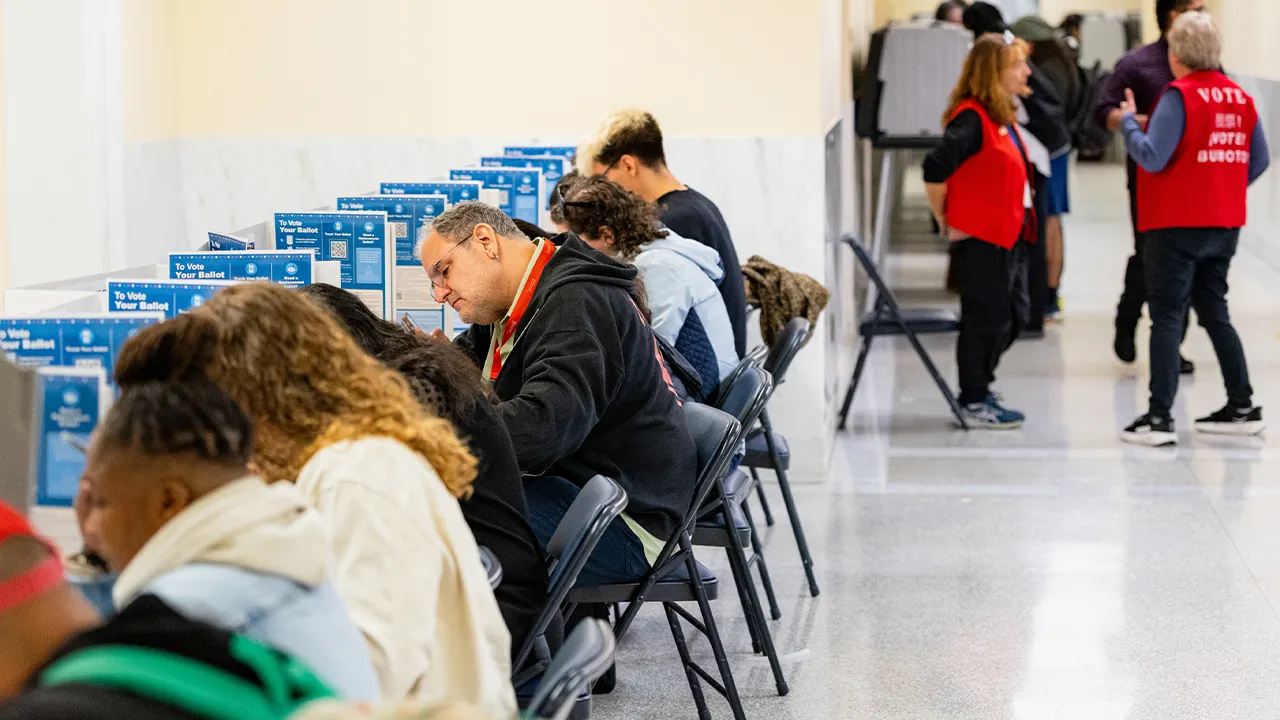
‘Varney & Co.’ host Stuart Varney examines the California gubernatorial and Los Angeles mayoral primary elections as the vote counts continue during his ‘My Take.’
San Francisco voters have seemingly rejected a significant ballot measure aimed at increasing taxes on large companies with high-paid executives. This decision marks a notable victory for business groups and technology leaders who argued that the proposal could impede the city’s economic recovery.
According to the latest results from the San Francisco Department of Elections, Measure D is failing, with 53.64% of voters opposed and 46.36% in favor. The measure required a simple majority to pass.
Measure D sought to expand San Francisco’s existing CEO pay ratio tax, which currently applies to large businesses when a top executive earns more than 100 times the median compensation of workers. The proposed changes would have altered the formula to compare executive pay with a company’s entire workforce, rather than just its San Francisco employees, while also increasing tax rates on affected businesses.
CHATGPT BOOM FUELS A LUXURY HOUSING FRENZY IN BAY AREA
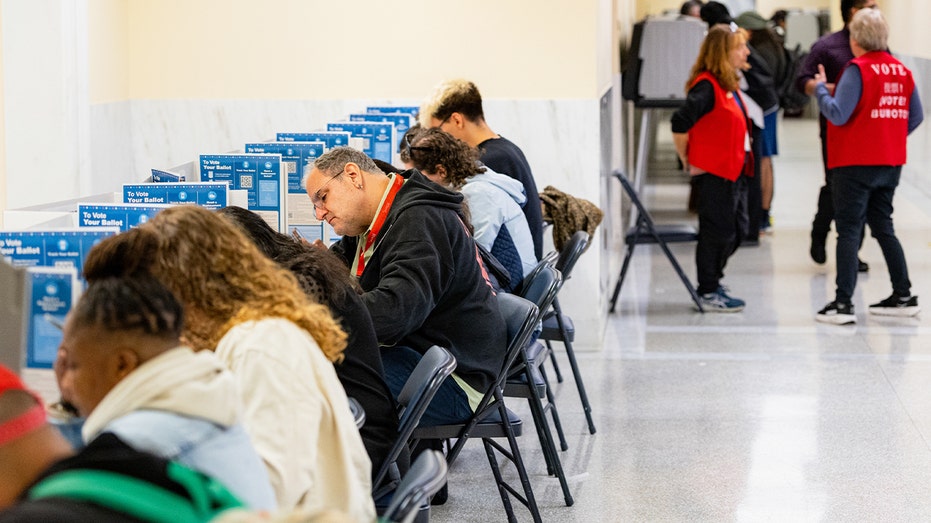
Voters cast their ballots at a polling location inside City Hall during a primary election in San Francisco on Tuesday, June 2, 2026. (Jason Henry/Bloomberg via Getty Images / Getty Images)
City officials estimated that the measure could have generated between $250 million and $300 million in annual revenue. Proponents argued that it would help address income inequality and provide additional funding for city services.
However, opponents, including Mayor Daniel Lurie, contended that the measure could drive employers away from San Francisco, diminishing the city’s competitiveness as officials strive to revive downtown and attract new investments.
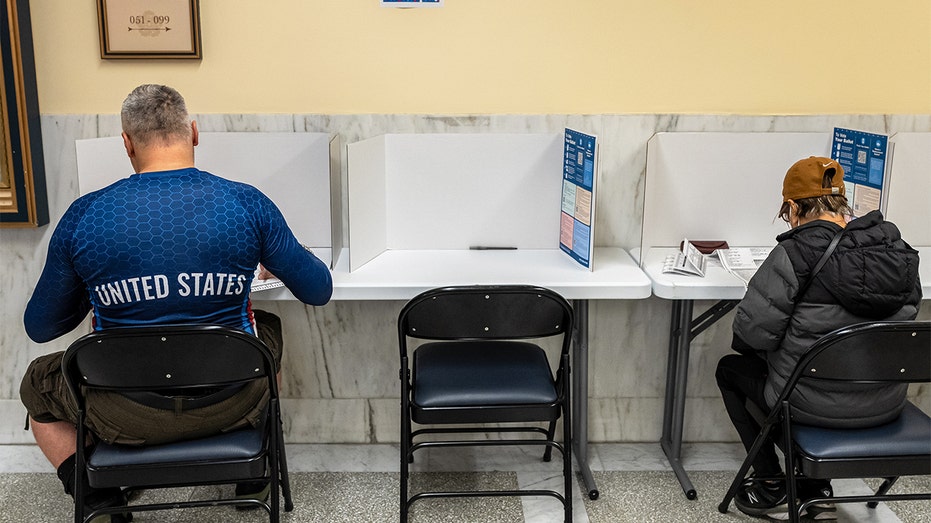
Voters cast their ballots at a polling location at City Hall during a primary election in San Francisco, California, US, on Tuesday, June 2, 2026. (David Paul Morris/Bloomberg via Getty Images / Getty Images)
The proposal also faced significant opposition from notable technology executives, including Google co-founder Sergey Brin, who donated $500,000 to a committee campaigning against the measure.
CALIFORNIA TECH LEADERS CHALLENGE PROGRESSIVE POLICIES AS BILLIONAIRES, BUSINESSES FLEE: REPORT
The outcome of this vote adds to a trend suggesting that San Francisco voters are leaning towards a more centrist approach regarding economic and governance issues. In recent years, voters have recalled former District Attorney Chesa Boudin, removed three school board members, and elected Lurie, a moderate Democrat focused on public safety and economic recovery.
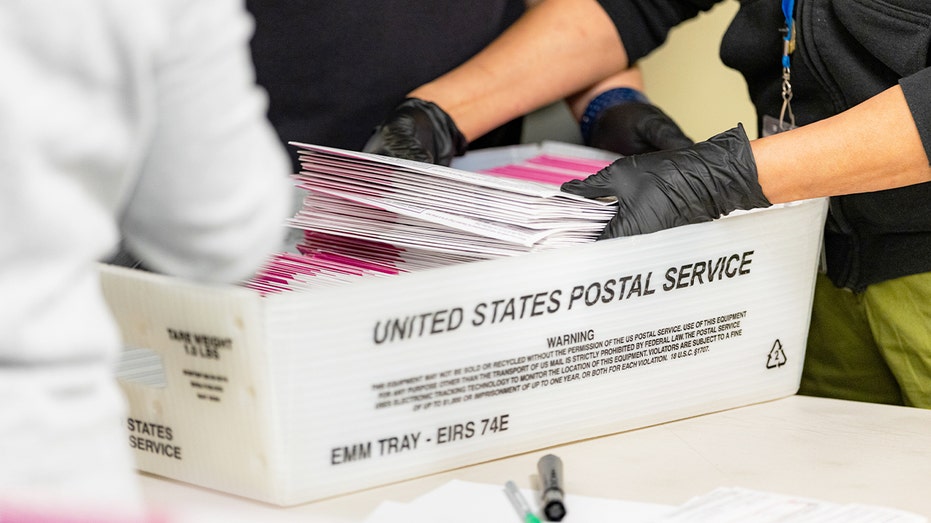
Election workers process mail-in ballots at the Department of Elections at City Hall during a primary election in San Francisco on Tuesday, June 2, 2026. (Jason Henry/Bloomberg via Getty Images)
This vote occurs as San Francisco aims to leverage an artificial intelligence-driven investment boom while grappling with concerns about its business climate and the exodus of several high-profile companies and entrepreneurs in recent years.
CLICK HERE TO GET FOX BUSINESS ON THE GO
The defeat of Measure D is likely to be interpreted by business advocates as a clear indication that voters prioritize economic growth, job creation, and efforts to enhance the city’s competitiveness.
FOX Business’ Eric Revell contributed to this report.
‘Varney & Co.’ host Stuart Varney examines the California gubernatorial and Los Angeles mayoral primary elections as the vote counts continue during his ‘My Take.’
San Francisco voters have seemingly rejected a significant ballot measure aimed at increasing taxes on large companies with high-paid executives. This decision marks a notable victory for business groups and technology leaders who argued that the proposal could impede the city’s economic recovery.
According to the latest results from the San Francisco Department of Elections, Measure D is failing, with 53.64% of voters opposed and 46.36% in favor. The measure required a simple majority to pass.
Measure D sought to expand San Francisco’s existing CEO pay ratio tax, which currently applies to large businesses when a top executive earns more than 100 times the median compensation of workers. The proposed changes would have altered the formula to compare executive pay with a company’s entire workforce, rather than just its San Francisco employees, while also increasing tax rates on affected businesses.
CHATGPT BOOM FUELS A LUXURY HOUSING FRENZY IN BAY AREA
Voters cast their ballots at a polling location inside City Hall during a primary election in San Francisco on Tuesday, June 2, 2026. (Jason Henry/Bloomberg via Getty Images / Getty Images)
City officials estimated that the measure could have generated between $250 million and $300 million in annual revenue. Proponents argued that it would help address income inequality and provide additional funding for city services.
However, opponents, including Mayor Daniel Lurie, contended that the measure could drive employers away from San Francisco, diminishing the city’s competitiveness as officials strive to revive downtown and attract new investments.
Voters cast their ballots at a polling location at City Hall during a primary election in San Francisco, California, US, on Tuesday, June 2, 2026. (David Paul Morris/Bloomberg via Getty Images / Getty Images)
The proposal also faced significant opposition from notable technology executives, including Google co-founder Sergey Brin, who donated $500,000 to a committee campaigning against the measure.
CALIFORNIA TECH LEADERS CHALLENGE PROGRESSIVE POLICIES AS BILLIONAIRES, BUSINESSES FLEE: REPORT
The outcome of this vote adds to a trend suggesting that San Francisco voters are leaning towards a more centrist approach regarding economic and governance issues. In recent years, voters have recalled former District Attorney Chesa Boudin, removed three school board members, and elected Lurie, a moderate Democrat focused on public safety and economic recovery.
Election workers process mail-in ballots at the Department of Elections at City Hall during a primary election in San Francisco on Tuesday, June 2, 2026. (Jason Henry/Bloomberg via Getty Images)
This vote occurs as San Francisco aims to leverage an artificial intelligence-driven investment boom while grappling with concerns about its business climate and the exodus of several high-profile companies and entrepreneurs in recent years.
CLICK HERE TO GET FOX BUSINESS ON THE GO
The defeat of Measure D is likely to be interpreted by business advocates as a clear indication that voters prioritize economic growth, job creation, and efforts to enhance the city’s competitiveness.
FOX Business’ Eric Revell contributed to this report.