The Pain of Caring for a Parent Who Abused You
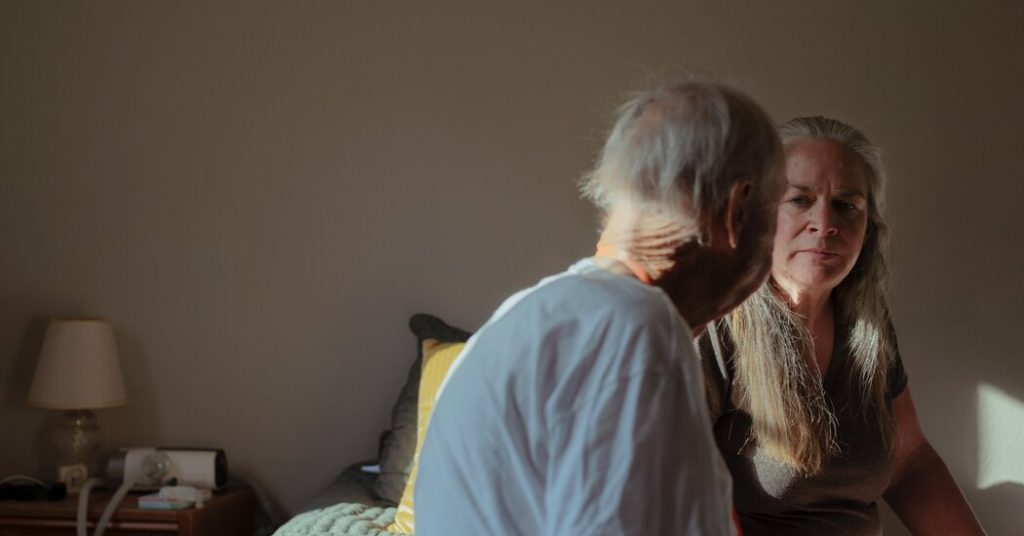
The United States has a significant reliance on unpaid family caregivers, a demographic that plays a crucial role in the healthcare system. Millions of adult children find themselves in the position of caring for their aging parents, often under challenging circumstances. This situation raises important questions about the dynamics of caregiving and the emotional complexities involved.
Many of these adult children are stepping into caregiving roles for parents who, during their formative years, may not have provided the nurturing or support that is typically expected in a parent-child relationship. This paradox creates a unique emotional landscape for caregivers, who often grapple with feelings of resentment, obligation, and love.
Statistics reveal that approximately 53 million Americans serve as unpaid caregivers, providing an estimated $470 billion worth of care annually. This immense contribution underscores the importance of family caregivers in maintaining the health and well-being of older adults. However, the emotional toll on these caregivers can be substantial, particularly when the relationship with the care recipient is strained.
Many adult children find themselves in a position where they are not only managing the physical aspects of caregiving—such as administering medications, coordinating medical appointments, and assisting with daily activities—but also navigating complex emotional waters. The burden can be overwhelming, especially when the caregiving relationship is fraught with unresolved issues from the past.
Moreover, the demands of caregiving can lead to significant stress and burnout. Caregivers often sacrifice their own health, careers, and social lives to fulfill their responsibilities. This can result in a cycle of neglect where the caregiver’s well-being deteriorates, ultimately affecting their ability to provide care effectively.
Support systems are essential for these caregivers. Many organizations offer resources, including respite care, counseling, and support groups, which can help alleviate some of the burdens. Engaging with others who understand the challenges can provide emotional relief and practical advice, making the caregiving journey a bit more manageable.
Additionally, open communication between caregivers and their parents can be beneficial. While it may be difficult to address past grievances, fostering a dialogue can help both parties understand each other’s perspectives. This can lead to a more compassionate caregiving experience, where the caregiver feels more empowered and the care recipient feels more understood.
As the population ages, the need for family caregivers will only increase. It is crucial for society to recognize the invaluable contributions of these individuals and to provide them with the support they need. By doing so, we can create a more sustainable caregiving environment that honors both the caregivers and the individuals they care for.
In summary, the role of unpaid family caregivers in the United States is indispensable, yet fraught with emotional challenges. Adult children caring for parents who may not have fulfilled their roles in the past face unique hurdles that require understanding, support, and resources. As we move forward, it is vital to address these issues to ensure that both caregivers and care recipients can navigate this complex relationship with dignity and respect.
The United States has a significant reliance on unpaid family caregivers, a demographic that plays a crucial role in the healthcare system. Millions of adult children find themselves in the position of caring for their aging parents, often under challenging circumstances. This situation raises important questions about the dynamics of caregiving and the emotional complexities involved.
Many of these adult children are stepping into caregiving roles for parents who, during their formative years, may not have provided the nurturing or support that is typically expected in a parent-child relationship. This paradox creates a unique emotional landscape for caregivers, who often grapple with feelings of resentment, obligation, and love.
Statistics reveal that approximately 53 million Americans serve as unpaid caregivers, providing an estimated $470 billion worth of care annually. This immense contribution underscores the importance of family caregivers in maintaining the health and well-being of older adults. However, the emotional toll on these caregivers can be substantial, particularly when the relationship with the care recipient is strained.
Many adult children find themselves in a position where they are not only managing the physical aspects of caregiving—such as administering medications, coordinating medical appointments, and assisting with daily activities—but also navigating complex emotional waters. The burden can be overwhelming, especially when the caregiving relationship is fraught with unresolved issues from the past.
Moreover, the demands of caregiving can lead to significant stress and burnout. Caregivers often sacrifice their own health, careers, and social lives to fulfill their responsibilities. This can result in a cycle of neglect where the caregiver’s well-being deteriorates, ultimately affecting their ability to provide care effectively.
Support systems are essential for these caregivers. Many organizations offer resources, including respite care, counseling, and support groups, which can help alleviate some of the burdens. Engaging with others who understand the challenges can provide emotional relief and practical advice, making the caregiving journey a bit more manageable.
Additionally, open communication between caregivers and their parents can be beneficial. While it may be difficult to address past grievances, fostering a dialogue can help both parties understand each other’s perspectives. This can lead to a more compassionate caregiving experience, where the caregiver feels more empowered and the care recipient feels more understood.
As the population ages, the need for family caregivers will only increase. It is crucial for society to recognize the invaluable contributions of these individuals and to provide them with the support they need. By doing so, we can create a more sustainable caregiving environment that honors both the caregivers and the individuals they care for.
In summary, the role of unpaid family caregivers in the United States is indispensable, yet fraught with emotional challenges. Adult children caring for parents who may not have fulfilled their roles in the past face unique hurdles that require understanding, support, and resources. As we move forward, it is vital to address these issues to ensure that both caregivers and care recipients can navigate this complex relationship with dignity and respect.